
Effective March 16, 2026, the Federal Motor Carrier Safety Administration (FMCSA) has introduced a regulation barring asylum seekers, refugees, and DACA recipients from obtaining or renewing non-domiciled commercial driver’s licenses (CDLs).
Under the new directive, eligibility is now limited to specific visa categories such as:
- H-2A (agricultural workers)
- H-2B (temporary non-agricultural workers)
- E-2 (investor visa holders)
Officials state that the rule is aimed at improving safety and restoring licensing integrity by ensuring proper access to foreign driving records.
Impact on the U.S. Trucking Industry
The policy is expected to affect approximately 200,000 immigrant drivers, representing about 5% of all CDL holders in the United States.
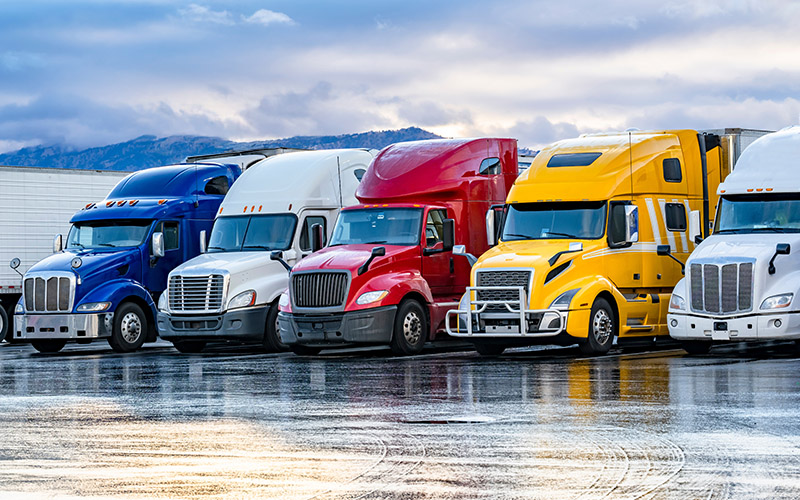
Industry stakeholders have raised concerns that the move could lead to labor shortages in the trucking sector, which already relies on immigrant labor to meet demand.
Reduced workforce capacity may affect logistics, supply chains, and transportation timelines across the country.
Direct Impact on Kenyans in the U.S.
For Kenyans currently living and working in the United States, the effects will depend on their immigration status.
1. Kenyan Asylum Seekers and Refugees
Kenyans under asylum or refugee status who are currently working as truck drivers may face challenges renewing their licenses once they expire. This could lead to:
- Loss of employment in trucking
- Need to transition into other sectors.
- Increased financial uncertainty
2. Kenyan DACA Recipients
Although fewer Kenyans fall under DACA, those affected will also be unable to renew or obtain CDLs, limiting their participation in the trucking industry.
3. Kenyans on Eligible Work Visas
Kenyans holding H-2A, H-2B, or E-2 visas may still qualify for non-domiciled CDLs.
ALSO READ: Mass Deportations: 1282 Kenyans on U.S. List—What You Should Know
However, these visa categories are specific and not widely held among Kenyan migrants, meaning the number of eligible individuals remains limited.
Impact on Kenyans Planning to Work in the U.S.
For Kenyans aspiring to move to the United States for trucking jobs, the rule significantly narrows the available pathways.
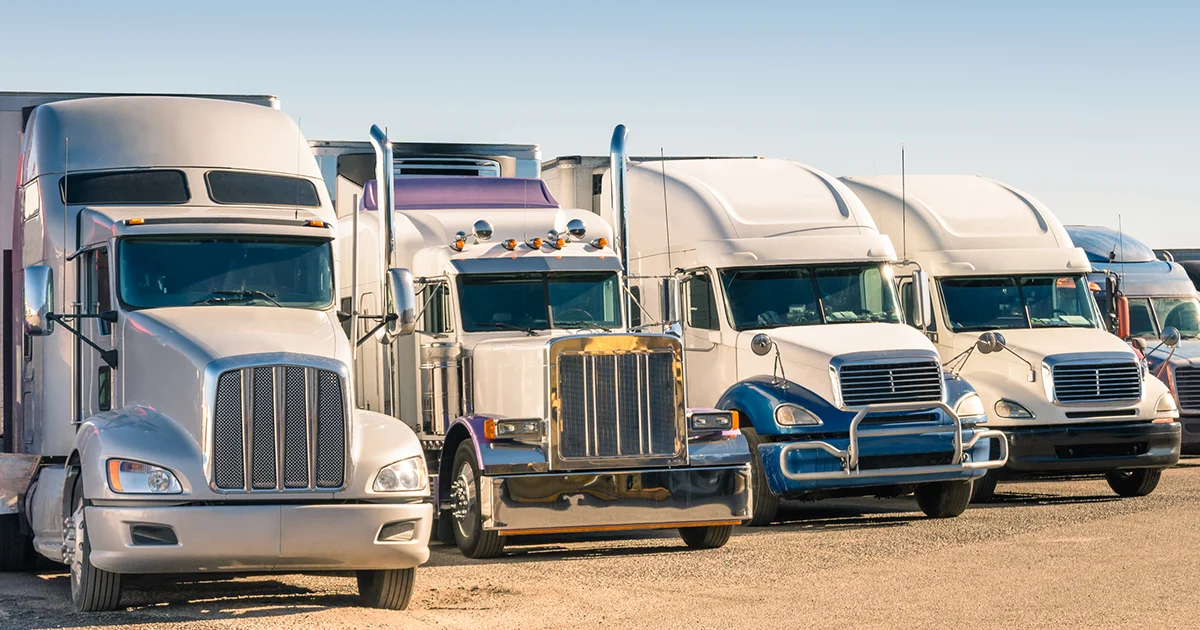
Previously, some migrants could transition into trucking after arrival under different immigration statuses.
The new regulation reduces that flexibility.
Aspiring drivers will now need to:
- Secure eligible visa categories before entry.
- Meet stricter documentation requirements.
- Explore alternative employment sectors.
Economic Ripple Effects Back Home
The effects may also extend to Kenya through remittances. Many Kenyans working abroad send money back home to support families and investments.
If a portion of Kenyan truck drivers lose their jobs or income stability:
- Remittance flows may decrease.
- Household incomes in Kenya could be affected.
- Dependents relying on diaspora support may face challenges.
Potential Opportunities
While the rule restricts access, it may also create indirect opportunities.
Labour shortages in the U.S. trucking sector could:
- Push employers to advocate for policy adjustments.
- Encourage recruitment through eligible visa programs.
- Increase demand for qualified drivers under approved categories.
Kenyans who can access these legal pathways may still find opportunities, though competition is expected to increase.
Conclusion
The new CDL rule by the Federal Motor Carrier Safety Administration introduces significant changes to immigrant participation in the U.S. trucking industry.
For Kenyans, the impact will vary based on immigration status, with asylum seekers and refugees facing the greatest challenges.
At the same time, stricter requirements will reshape how future job seekers approach opportunities in the sector.
As the policy takes effect, its broader consequences will likely be felt both within the United States and among Kenyan communities relying on diaspora income.






Comments 0
Sign in to join the conversation
Sign In Create AccountNo comments yet. Be the first to share your thoughts!