
Heavy rains continue to lash various parts of the country, causing significant disruption to transport and daily business. From the capital city to the outskirts of Kiambu County, Kenyans are grappling with the effects of an intensified wet season.
The Kenya Meteorological Department has now issued a heavy rainfall advisory. The warning remains effective through May 1, 2026. Forecasters expect the downpours to intensify, with a high potential for flash flooding in several regions across the nation.
Nairobi CBD Braces for the Storm
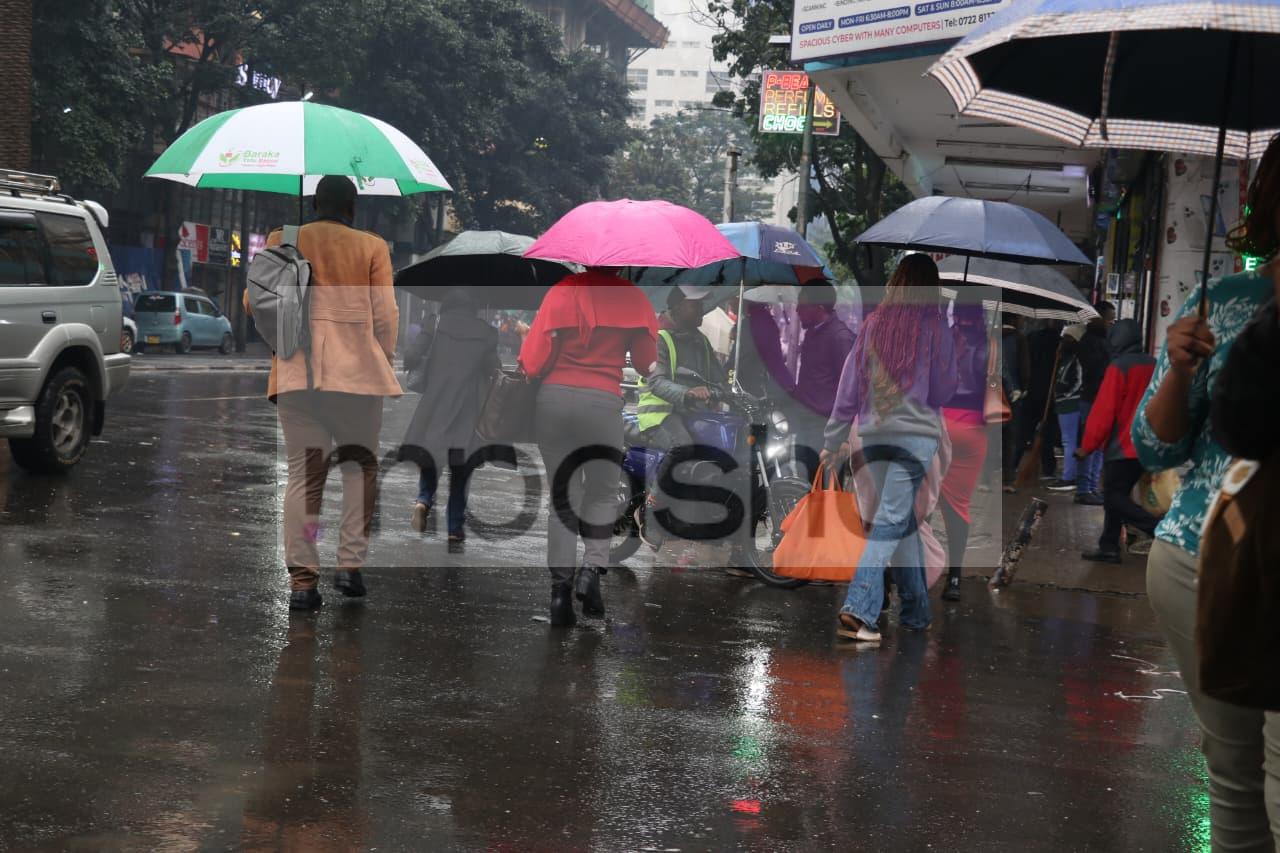
In Nairobi, the early morning of April 29 saw the Central Business District (CBD) transformed into a sea of umbrellas and raincoats. Commuters were forced to brave the cold and heavy downpours to reach their workplaces.
Visuals from the city show pedestrians huddled under shop awnings or navigating large puddles that have formed on major streets. Traffic moved at a crawl as visibility dropped.
Many workers arrived at their offices drenched, reflecting the challenges of the morning commute.

Chaos on the Roads in Kiambu
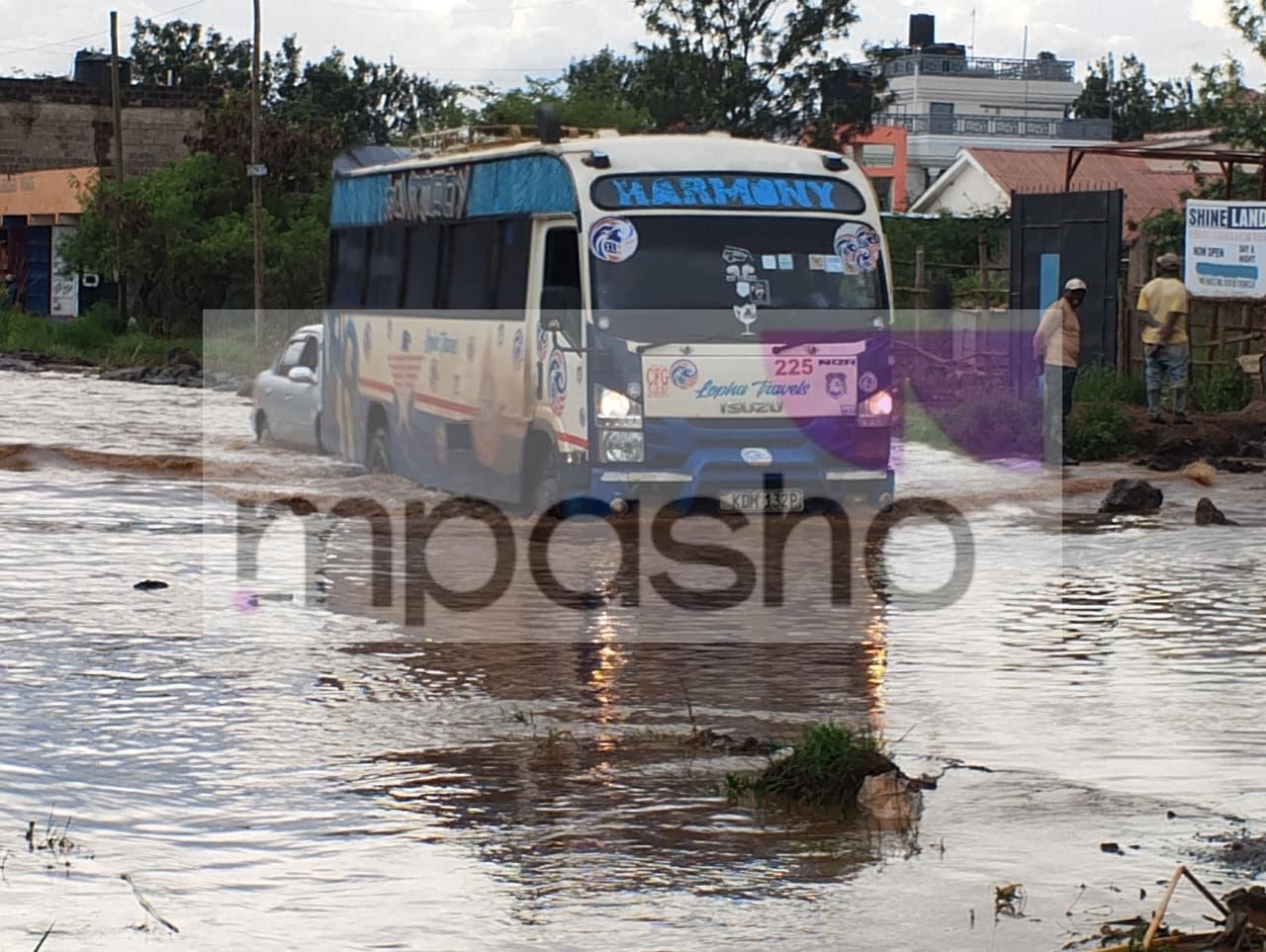
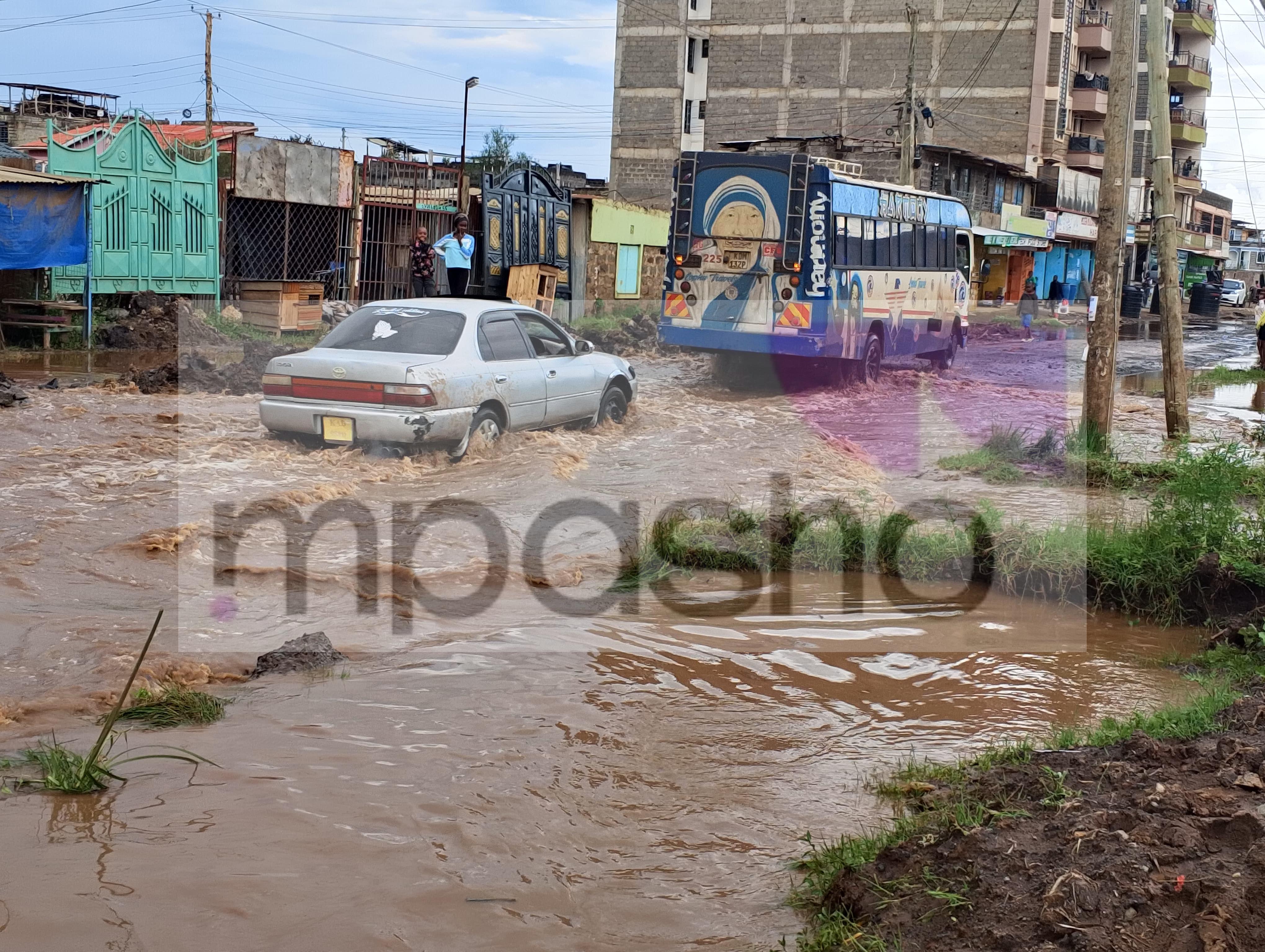
The situation was equally dire on the outskirts of the city yesterday evening. Along the Kimbo-Matangi Road in Theta, Juja Constituency, motorists faced a nightmare. Heavy rains pounded Kiambu County, leaving sections of the road completely submerged.
Photos from the scene depict vehicles, including small cars and public service vehicles, struggling to wade through deep, murky water. The flooding caused long tailbacks as drivers navigated the treacherous sections with extreme caution.
Met Department Advisory
The Kenya Meteorological Department has urged the public to stay informed and cautious. The current advisory warns that the rains are unlikely to slow down significantly before the start of May.
According to the department, the rainfall is being driven by moisture-heavy winds from the Indian Ocean. This weather pattern is expected to persist for several more days. Residents in low-lying areas and those living near riverbanks have been advised to move to higher ground to avoid the risk of drowning or property destruction.
"The rainfall is expected to continue with high intensity over several parts of the country including the Lake Victoria Basin, the Highlands West of the Rift Valley, and the Nairobi area."
The ongoing rains are part of the traditional "long rains" season in Kenya, which typically runs from March to May. However, the 2026 season has seen a sharper increase in intensity compared to previous years.
Urban drainage systems in cities like Nairobi and growing hubs like Juja have often struggled to cope with such high volumes of water. This has led to perennial flooding on major roads.