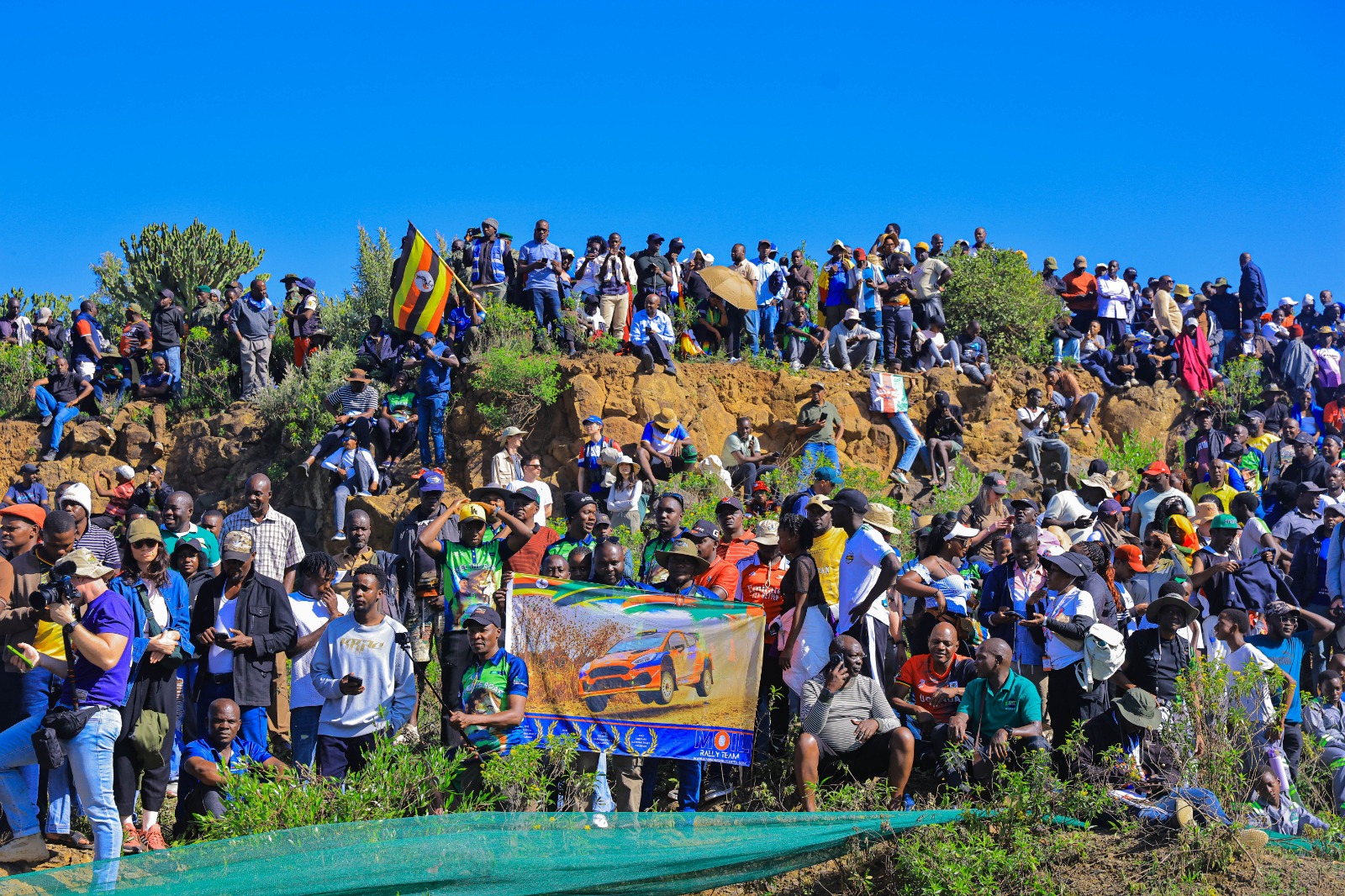
 Fans follow the action at a spectator zone/ KENYA TOURISM BOARD
The World Rally Championship (WRC) Safari Rally roared to life for its sixth consecutive year on Thursday in Naivasha, once again transforming the lakeside town into the beating heart of global motorsport and drawing thousands of fans and a massive worldwide audience.
True to tradition, the legendary African classic lived up to its reputation as the toughest rally on the global calendar — a brutal cocktail of speed, survival and unforgiving terrain.
This year’s edition arrived as the heavens opened across the country, with torrential rains turning the famous red earth into a slippery battlefield.
The heavy downpours disrupted the rally schedule, forcing organisers to cancel two stages — SS3 Camp Moran and SS16 Sleeping Warrior — after sections of the route deteriorated and became unsafe.
But the punishing terrain did more than just disrupt the schedule. The Safari Rally once again proved why it is feared across the rallying world.
On Saturday alone, the event claimed four of the sport’s fastest drivers. Oliver Solberg, Elfyn Evans, and nine-time world champion Sébastien Ogier — all driving for Toyota Gazoo Racing — were forced to retire, along with Thierry Neuville of Hyundai Motorsport.
For the thousands lining the stages, the muddy spectacle demanded more than just passion. Gumboots, raincoats and heavy jackets became essential as fans braved the elements to watch the rally’s roaring machines carve through the soaked tracks.
The rally buzz began days before the first competitive stage.
Fans started trickling into Naivasha as early as Monday last week, with a vibrant Ugandan contingent among the first to arrive. Some even stopped along Kenya’s coast to enjoy the beaches before heading inland for the motorsport spectacle. Over the years, the Safari Rally has continued to shatter attendance and viewership records.
Last year alone, the global showpiece drew an estimated 400,000 spectators — the largest in-person attendance since the WRC returned to Kenya in 2021.
For this year’s edition, organisers expected the crowd to swell to more than 600,000 — and Kenyans certainly answered the call.
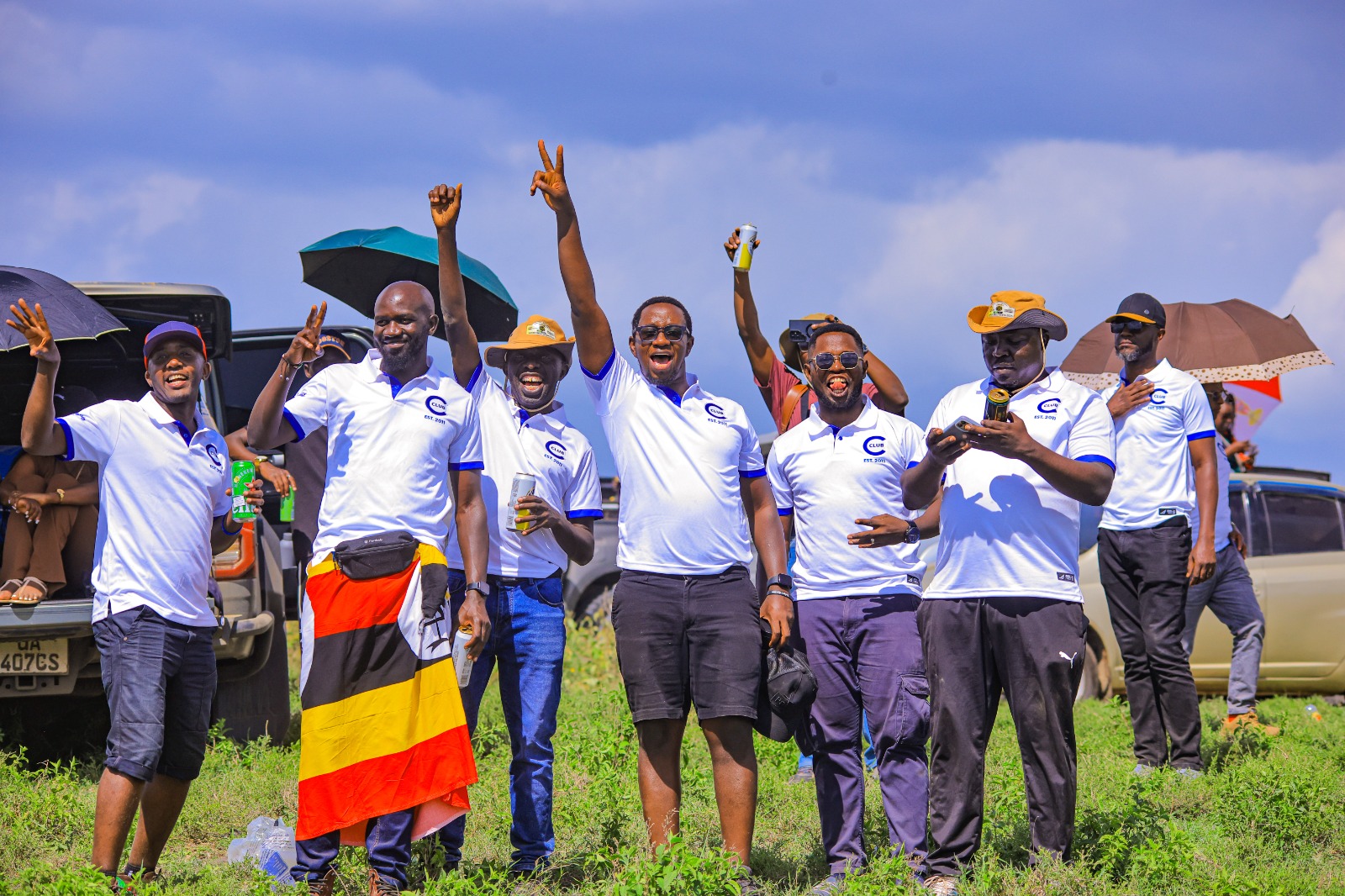 Ugandan fans at the Safari Rally/ KENYA TOURISM BOARD
Saturday’s action and the grand finale on Super Sunday saw massive crowds flood the spectator zones, with traffic gridlock forming along the road to Hell’s Gate National Park, the rally’s dramatic finishing point, as early as 2 am.
For fans who arrived early to soak in the full rally experience, the adventure proved unforgettable.
Many set up camp in designated spectator zones, turning the rally into a vibrant outdoor festival — roasting meat over open fires, cracking open cold beers and cheering wildly as the high-powered rally machines blasted past at breathtaking speeds.
“I have enjoyed this year’s rally all the way from the flag-off to the shakedown and the stages. I think this year has been the best. It’s organised. Everyone is doing their job — everything is moving and flowing,” said Robert Bungu, a fan.
Another supporter from Uganda said he was thrilled to return for his second taste of the iconic rally.
“I have come all the way from Kampala, Uganda, to enjoy the WRC. This is my second time watching it in Kenya and it is really exciting. I am here to support Oliver Solberg of Toyota,” he said.
Kelly, a fan from Tanzania, described Kenya as his second home.
“I am from Arusha. I’m excited for the whole experience. This is like home and I am looking forward to the entire rally,” he said.
For four days, Naivasha was not just a rally host — it became the epicentre of speed, mud, music and motorsport passion, a roaring reminder of why the Safari Rally remains one of the most iconic and unforgiving events in world rallying.
Beyond the roar of engines and the carnival atmosphere, the rally also delivered a major economic boost to the host town.
Approximately 1,200 volunteers were recruited to help ensure the smooth running of the global showpiece, providing residents with employment opportunities throughout rally week.
One of the biggest beneficiaries, however, was the hospitality industry.
Hotels, lodges and campsites across Naivasha were fully booked throughout the four days of the rally, with many late-arriving fans forced to sleep in their cars after failing to secure accommodation.
For those lucky enough to book rooms, prices had skyrocketed — in some cases rising to nearly five times the usual rates.
Rooms that would normally cost around Sh1,000 per night were being snapped up for Sh2,500 or more during the rally weekend.
Tourism emerged as one of the biggest winners during the four-day motorsport spectacle, with Rebecca Miano, Kenya’s Tourism and Wildlife Cabinet Secretary, highlighting the growing importance of sports tourism.
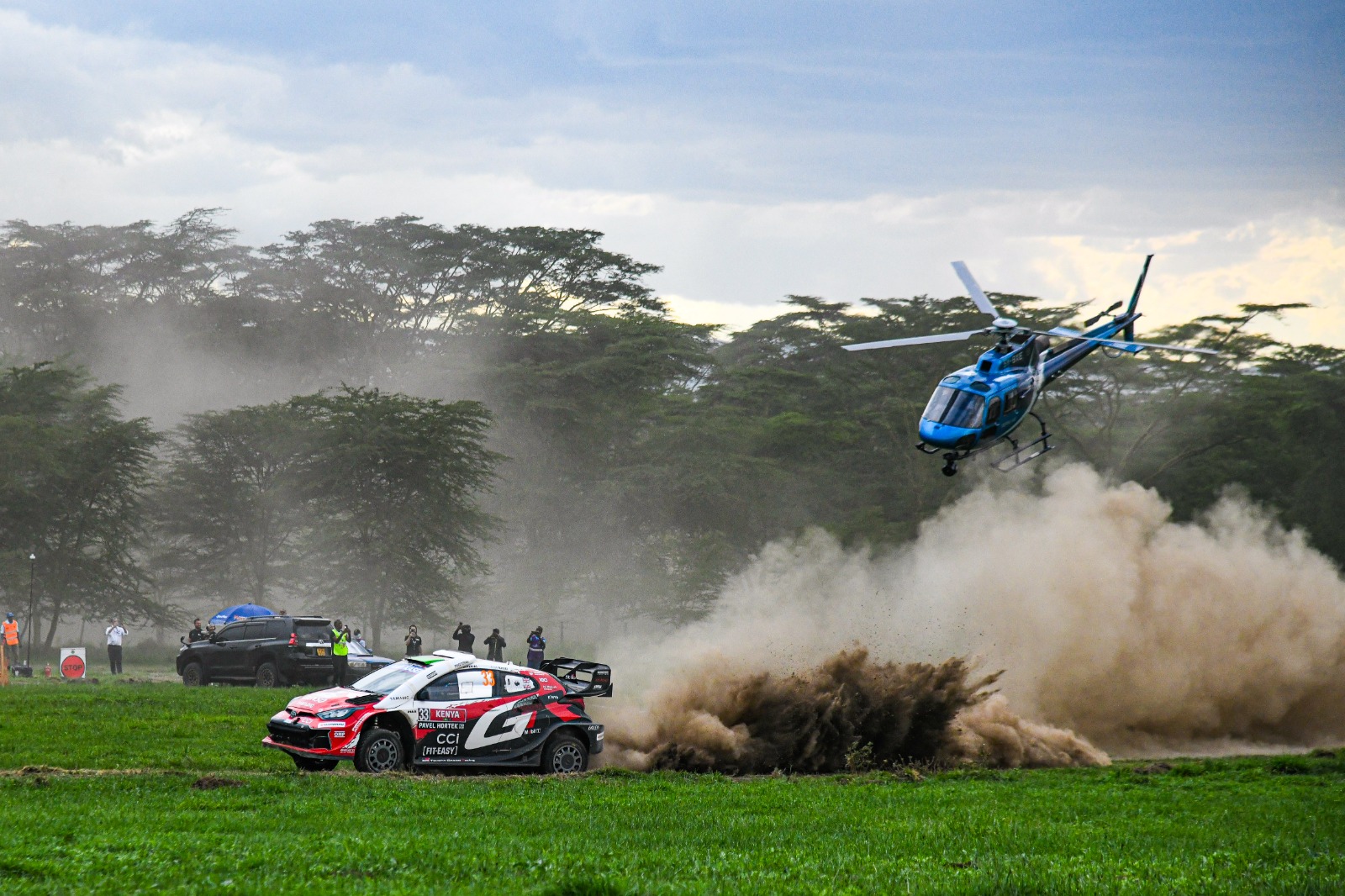 Action at the Mzabibu stage/ KENYA TOURISM BOARD
“For our country, the continued success of the World Rally Championship Safari Rally represents a major milestone in the growth of sports tourism and the broader transformation of our tourism sector. Kenya has long been known for its iconic wildlife, breathtaking landscapes and warm hospitality,” she said.
She noted that major international sporting events are increasingly shaping Kenya’s global reputation.
“Today, we are also increasingly recognised as a premier destination for international sporting events. The Safari Rally stands proudly among these events, bringing global attention to Kenya while showcasing the very best our country has to offer.”
“Sports tourism is one of the fastest-growing segments of the global tourism industry. International travellers are increasingly seeking destinations where they can combine their love of sport with immersive travel experiences,” she added.
“The WRC Safari Rally provides exactly that opportunity. Fans, teams, media and visitors from around the world gather not only to witness one of the most demanding rallies in motorsport but also to experience Kenya’s unique tourism offerings, from our national parks and conservancies to our vibrant culture and cuisine.”
The economic ripple effect was felt far beyond the rally stages.
“The economic impact of the Safari Rally is significant and far-reaching. Each year, the event attracts thousands of local and international spectators, filling hotels, lodges and camps in Naivasha and surrounding destinations,” Miano said.
“Local businesses — from transport providers and tour operators to artisans and small traders — benefit directly from the increased activity. For many communities, the rally creates new opportunities for income, enterprise and employment.”