Public servants will soon be allowed to use the state-backed loans to buy commercial vehicles and motorcycles in proposed National Treasury reforms.
The new plan aims at improving loan uptake for the struggling state Motor Car Loan Scheme Fund.
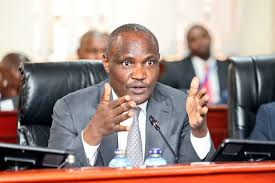
National Treasury Cabinet Secretary John Mbadi told MPs that the amendments aim to address the persistent low uptake of loans under the scheme, which has raised concerns about the sustainability of the fund.
Appearing before the committee on Delegated Legislation chaired by Samuel Chepkonga, Mbadi said the reforms are designed to make the facility attractive and accessible to more public servants.
The changes will be done through amendments to the State Officers and Public Officers Motor Car Loan Scheme Fund Regulations of 2025.
Among the most notable proposals is the expansion of the definition of a motor car to include vehicles with less than four wheels, effectively allowing civil servants to access loans to purchase motorcycles commonly used for the bodaboda transport business.
“The low uptake of motor car loans remains a major concern and impediment to the delivery of the objective of the Fund,” Mbadi told the committee.
He said repeated audit queries from the Office of the Auditor-General Nancy Gathungu have highlighted the low absorption of loans, raising questions about whether the scheme is meeting its intended purpose.
According to Treasury, managers of the fund have been summoned several times to explain why public officers are not utilising the facility.
“The low absorption of loans threatens the very existence of the Fund, which was established to enable state officers and public officers to access affordable credit for the purchase of motor vehicles and raises concerns about its sustainability,” Mbadi said.
Treasury says a review of the scheme identified several regulatory provisions that may have discouraged potential borrowers.
One key concern is the current requirement that loans be repaid within 60 months. Under the proposed amendments, the repayment period will be extended to 72 months, giving borrowers an additional year to clear the facility.
The longer repayment period is expected to ease pressure on civil servants’ payslips, which often have limited room for additional deductions.
Treasury also wants to relax restrictions on the type and use of vehicles purchased through the fund.
Currently, the regulations prohibit beneficiaries from using vehicles acquired under the scheme for commercial purposes.
The amendment proposes to remove this restriction, allowing officers to use the vehicles for income-generating activities.
Mbadi who was accompanied by other treasury officials pointed out that this move will make the scheme more appealing, especially to officers interested in investing in transport businesses such as taxi services, ride-hailing, or bodaboda operations.
The proposed regulations also seek to increase the allowable age of second-hand vehicles purchased through the scheme from eight years to ten years from the date of manufacture.
Treasury argues that the change will give borrowers access to a wider range of vehicles at more affordable prices.
“Ten-year-old vehicles are generally mechanically sound and widely accepted for insurance purposes,” Mbadi said, noting that many financial institutions already finance vehicles within this age range.
The reforms follow a consultative review process involving several government agencies and potential beneficiaries.
Treasury officials said the review included consultations with the Salaries and Remuneration Commission and the Public Service Commission of Kenya, as well as discussions with human resource managers across government ministries, departments, and agencies.
Focus group discussions were also conducted with civil servants in different parts of the country to gather feedback on the challenges affecting access to the loan facility.
According to Treasury, participants in the consultations broadly supported the proposed changes, saying they would make the scheme more responsive to the needs of public officers.
The expansion of eligible vehicles to include motorcycles was particularly supported in areas where motorcycles are the dominant mode of transport.
Officials cited regions such as Lamu, where road infrastructure and terrain make motorcycles more practical than conventional cars.
![Hamisi Mwaguya [in coulored baseball cap] at the Kings Arena at Khadija estate in Nyali subcounty on Tuesday / BRIAN OTIENO](https://cdn.radioafrica.digital/image/2026/10/340e650a-21d8-475b-b658-a429e82e9367.jfif)