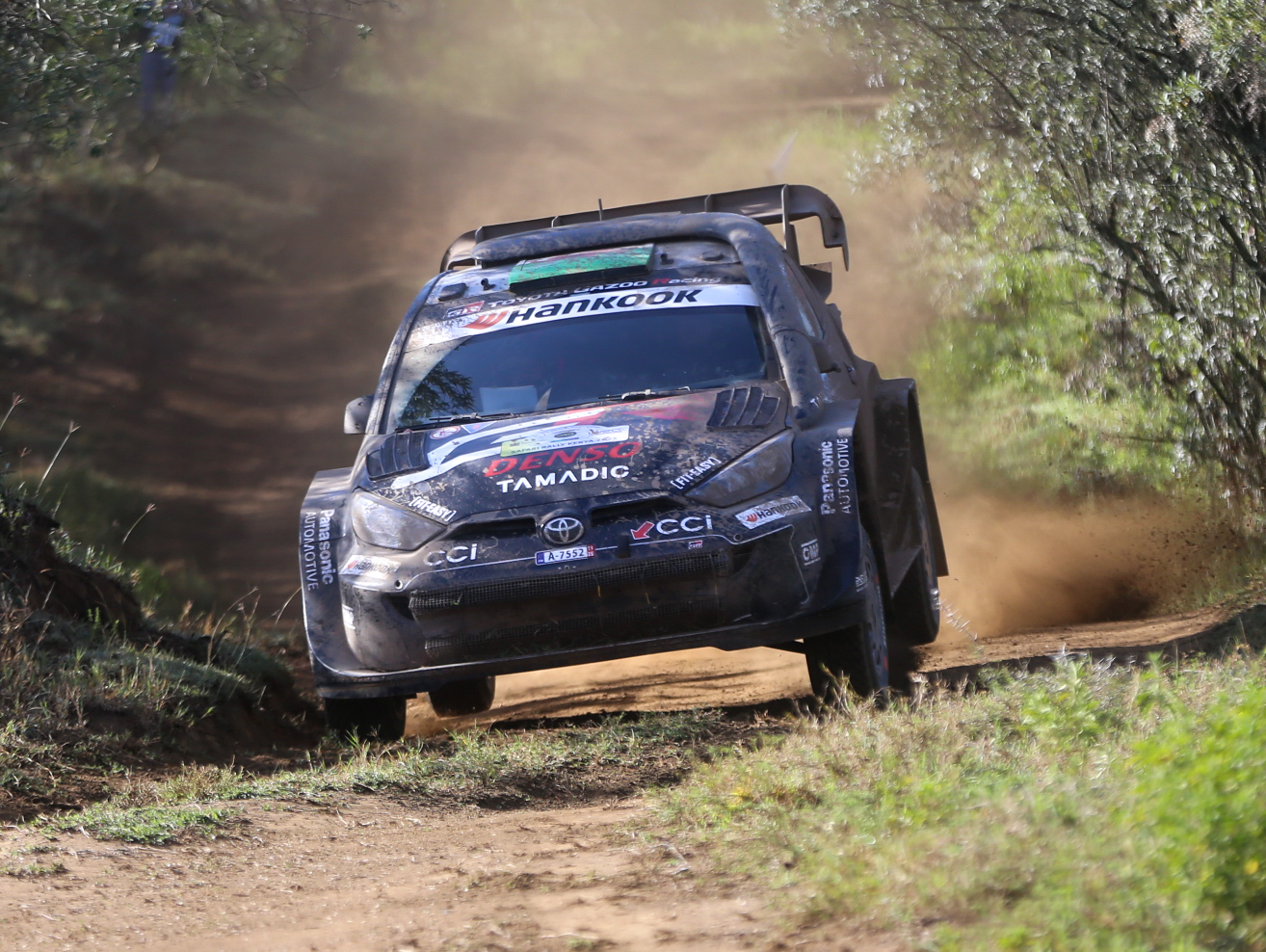
 Elfyn Evans in last year's Safari Rally/ HANDOUT
 With the Safari Rally Kenya weekend upon us, excitement across the country has reached fever pitch as fans gear up for one of motorsport’s most thrilling spectacles.
In today’s segment of Know Your Sport, we break down rallying, what it is, how it works and why it has become one of the most captivating forms of motorsport both globally and here in Kenya. A rally is a unique motorsport where cars race against the clock on closed public roads or rugged off-road tracks, rather than competing head-to-head on a circuit.
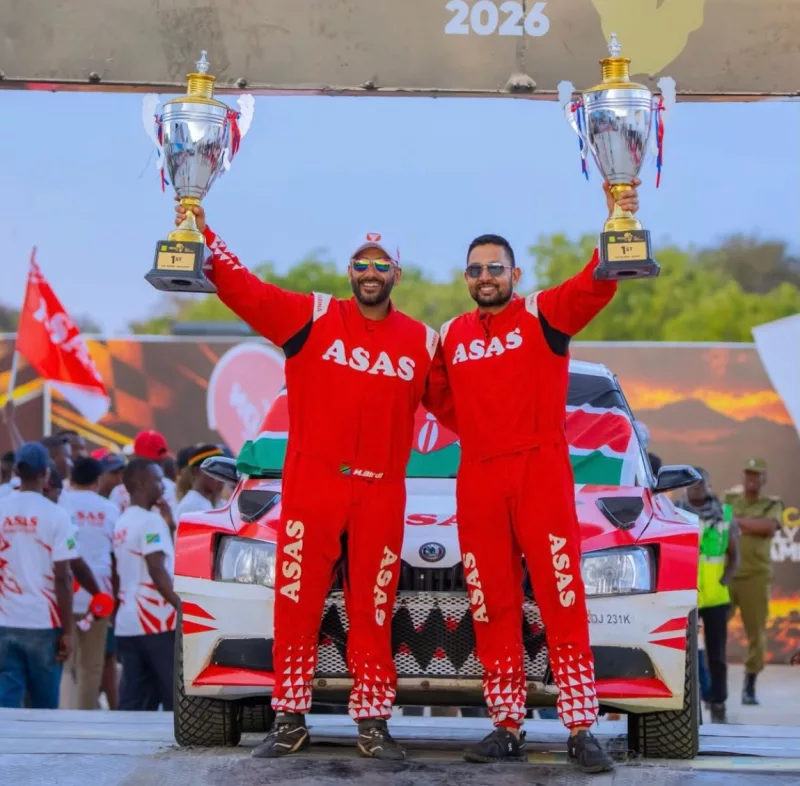
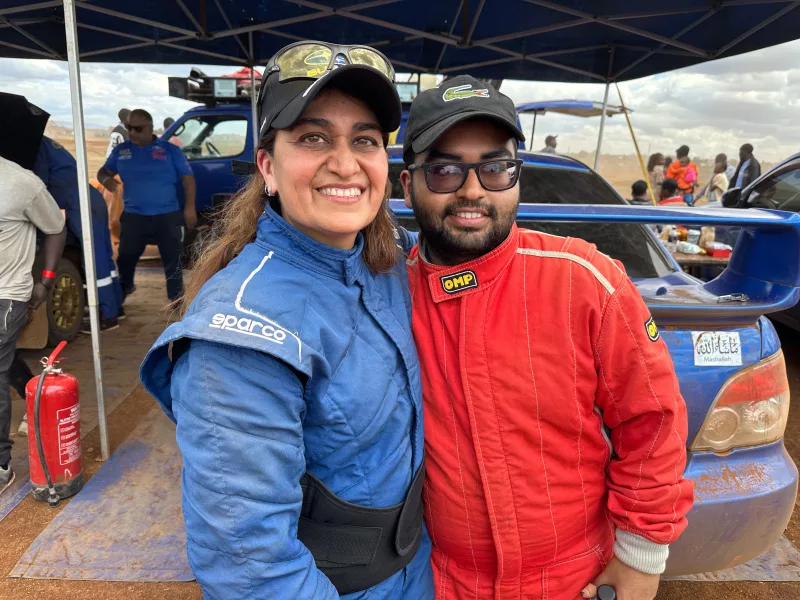
It is a test of speed, endurance, precision, and mechanical reliability. Each team is made up of a driver and a co-driver. While the driver focuses on controlling the car at high speeds across unpredictable terrain, the co-driver plays an equally crucial role, reading pace notes that describe every corner, hazard, jump and surface change ahead.
This partnership allows the driver to anticipate the road ahead, even when visibility is limited, making it one of the most essential relationships in motorsport.
Rallies are made up of timed special stages, which are closed roads where crews push their machines to the limit, and transits, connecting roads where normal traffic rules apply. Rally cars must therefore remain road-legal to navigate these transit sections, a key difference from circuit racing like Formula One.
Between stages, technicians work tirelessly in service parks to repair, fine-tune, and optimise the cars within strict time limits, ensuring every component can withstand the next stage’s challenge. Winning a rally is about recording the lowest cumulative time across all special stages, typically 15 to 25, over three to four days.
Crews must balance outright speed with caution, avoiding penalties and damage that could cost precious seconds. The event often concludes with a dramatic Power Stage, where the fastest crews earn bonus championship points, adding an extra layer of strategy and excitement right at the finish.
Rallying has two major series: WRC (World Rally Championship), which is the highest level of global rallying, featuring modified production cars. Rally cars in the WRC are classified in a pyramid of performance.
At the top sit the Rally1 hybrid cars, producing around 380 horsepower plus an extra 120 horsepower from electric motors, introduced in 2022 to reduce costs while maintaining peak performance. Below them are the Rally2 machines, high-performance four-wheel-drive cars based on production models, followed by Rally3, bridging the gap between entry-level and top-tier vehicles.
Rally4 and Rally5 cars serve as development platforms for emerging talent, with Rally5 acting as an accessible entry point for aspiring rally drivers. Rallying has a rich history, tracing back to early city-to-city automobile contests in the late 19th century, such as the 1894 Paris-Rouen race.
The first event formally called a rally was the Monte Carlo Rally in 1911, which emphasised endurance, navigation, and vehicle reliability. By 1950, the introduction of specialised timed tests on closed roads shaped rallying into the sport recognised today. The World Rally Championship itself was established in 1973, formalising rallying at a global level. In Kenya, rallying began in 1953 with the “Coronation Safari”, created to celebrate the coronation of Queen Elizabeth II.
Founded by Eric Cecil and his cousin Neil Vincent, it was originally an endurance trial covering Kenya, Uganda, and Tanganyika (now Tanzania). The event became part of the World Rally Championship in 1973, putting Kenya on the global motorsport map. Since the WRC Safari Rally returned in 2021, rallying in Kenya has undergone a remarkable resurgence.
The sport has evolved from old-school, long-distance endurance events into a modern, high-speed, data-driven discipline, while still retaining its reputation as one of the toughest and most unpredictable challenges in the world.