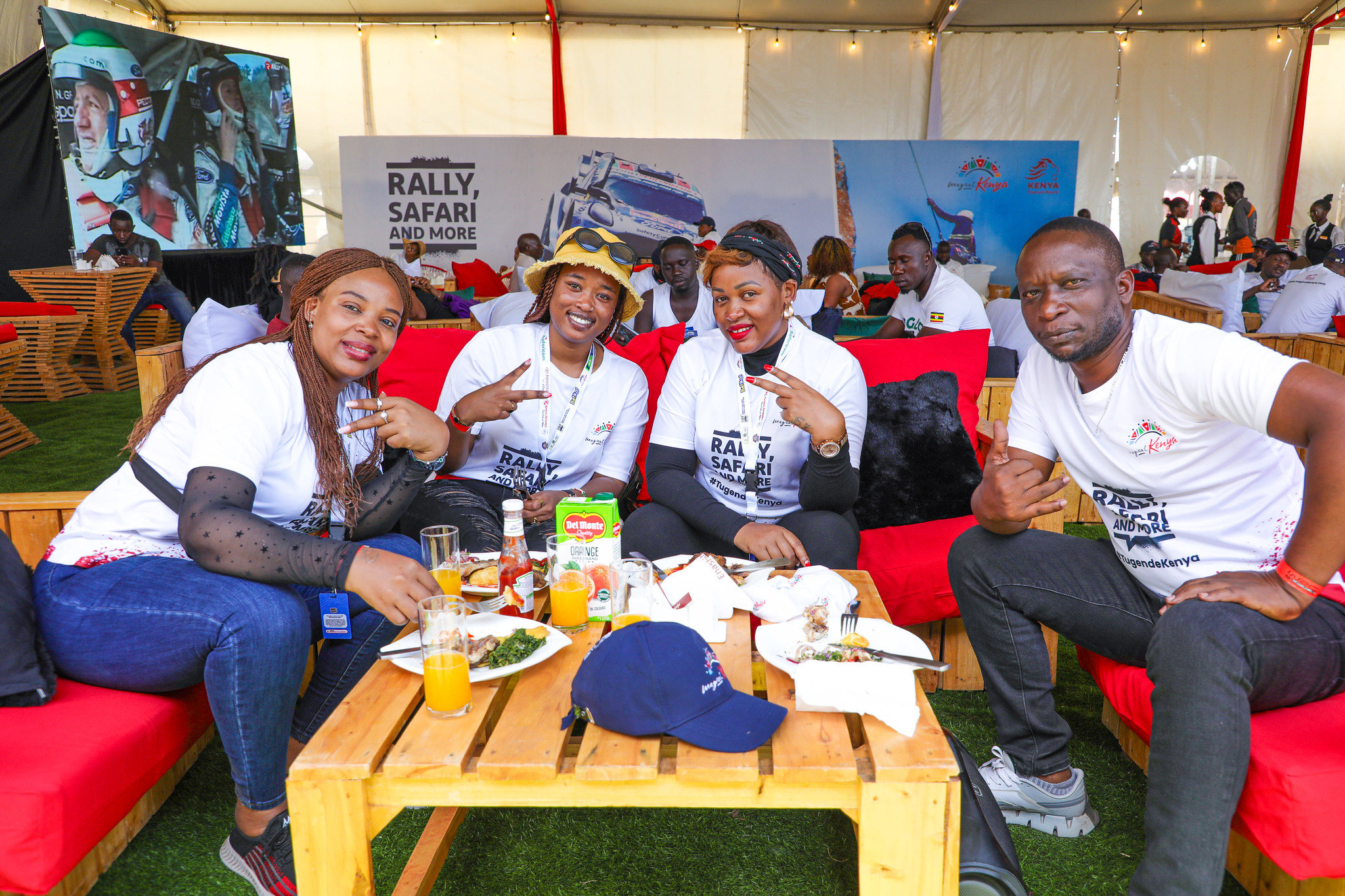
KENYA’s economy has received yet another boom from the World Rally Championship as the 2026 Safari Rally kicks off in Naivasha, placing the country at the centre of global attention.
The high-profile leg of the World Rally Championship (WRC) which has drawn thousands of international visitors is expected to inject millions into tourism, hospitality and local businesses as fans, teams and media converge for one of Africa’s biggest motorsport events.
2026 WRC Safari Rally Kenya officially kicks-off today to Sunday (March 12-15) in Naivasha, Nakuru County, marking the sixth consecutive year since its return to the World Rally Championship (WRC) calendar in 2021.
It is considered one of the most prestigious and challenging motorsport events in Africa.
Kenya Tourism Federation (KTF) yesterday termed the event “free marketing for the country”, with major hotels in Naivasha fully booked.
Camping sites are also expecting booming business towards the weekend with other accommodation facilities, including Airbnb and budget hotels in the region reporting good business including those in Nakuru city. Night clubs, eateries, vendors also expect to reap big.
“Nairobi, Naivasha and parts of Nakuru will benefit from accommodation, transport and a high consumption in retail and services. Being an international event also means good exposure for the country so we need to manage the event well,” KTF chairman, Fred Odek, told the Star.
Cynthia Mwangi who runs an Airbnb facility along Moi South Lake Road yesterday said her three two-bedroomed units are fully booked.
“I have guests from Uganda who have extended into next week after the rally. They want to engage in adventure activities within Naivasha such as the geothermal spa, cycling, hiking and rock climbing which I am arranging,” she noted.
President William Ruto this week called on Kenyans to turn up in large numbers for “Vasha”-Naivasha, describing the global motorsport spectacle as a symbol of the country’s identity and resilience.
The country is expected to host over 10,000 regional visitors during the rally. Some visitors from Uganda came early and headed to the Kenyan coast for excursions ahead of the showdown.
The leader of the Uganda Rally Hunters, Emmanuel Mugaga, noted that the rally presented an opportunity for them to explore Kenya’s attractions beyond the sport.
“We are incorporating tourism into our rally experience this year. We have been to Diani beach, explored the coral reefs and sampled prawns and shrimps, as well as the vibrant nightlife at the coast,” said Mugaga.
Kenya Tourism Board CEO June Chepkemei noted that the country is hosting fans from Uganda, Tanzania, Rwanda, DR Congo and Ethiopia, in addition to other international visitors.
“Our East African neighbours represent a vital and high-potential source market for Kenya. By integrating events like the WRC Safari Rally with diverse regional attractions such as Mombasa, we are creating compelling travel itineraries that cater to a broader range of interests,” she said.
Kenya Association of Hotel Keepers and Caterers executive officer, Sam Ikwaye said: “This is a classic example of how cooperation within the East African region should work. When we receive visitors, we create economic development opportunities across the region.”
From accommodation to eateries, night life to local vendors and boda boda’s, the WRC Safari Rally acts as a massive economic booster for Kenya, injecting billions of shillings into the economy annually, particularly within the tourism, hospitality, and transport sectors.
Since its return to the World Rally Championship (WRC) calendar in 2021, the event has generated significant financial, employment and brand-value benefits.
For instance, the 2021-22 rally events generated an estimated Sh38 billion in total economic value, according to a Tourism Research Institute.
The 2024 and 2025 event is estimated to have injected at least Sh6 billion in just four days of competition.
The rally is also reported to have supported over 24,758 full-time jobs. It also provides massive global publicity for Kenya, with 2023 figures showing free media publicity worth Sh8 billion.
Kenya reaps big from neighbouring countries as the East African region continues to be a key source market for Kenya’s tourism sector, recording consistent growth in visitor arrivals.
Last year, the region contributed 568,264 tourists, with Uganda accounting for 41 percent of the arrivals at 238,595 visitors, representing 5.78 per cent year-on-year growth.
During the same period, visitor numbers from Tanzania grew by 4.46 per cent to 212,365, while arrivals from Rwanda and the Democratic Republic of the Congo increased by 9.46 per cent and 15.96 per cent, reaching 72,094 and 45,210 visitors respectively.
According to Chepkemei, the tourism-marketing agency is leveraging the rally to position Kenya as a multi-experience destination, where regional visitors can combine coastal excursions, cultural experiences, and high-octane motorsports.
Beyond the thrill of the rally, the event delivers tangible socio-economic benefits by stimulating growth in the tourism and hospitality sectors while creating opportunities for hotels, small businesses, and local entrepreneurs in Naivasha, Nakuru, and across the country.