
The Kenya Revenue Authority has officially deployed 350 body-worn cameras for its customs officers at Jomo Kenyatta International Airport (JKIA), aiming to curb corruption and revenue leakages.
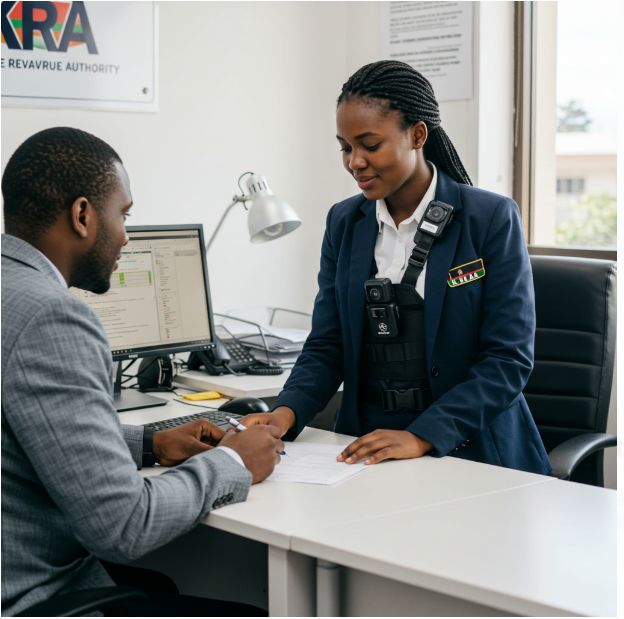
The footage will provide an indisputable record of transactions, ensuring that proper procedures are followed during inspections and clearance.
“The deployment of body cameras is intended to ensure that every interaction is documented. This will enhance accountability and reduce the potential for fraudulent practices at the airport,” a KRA spokesperson explained.
The cameras are designed to record both video and audio, capturing crucial details that can be used for investigations in cases of under-declaration, bribery, or other malpractices.
Targeting Corruption and Fraud
Corruption and revenue leakages have long been a challenge in cargo handling and customs operations.
Reports of under-declaration of goods, fraudulent clearance documents, and irregular payments have affected Kenya’s revenue collection.
Also Read: Outrage as Court Allows KRA to Tax Unexplained Bank Deposits
By equipping officers with body cameras, KRA aims to create a transparent environment where every cargo inspection and taxpayer interaction is documented
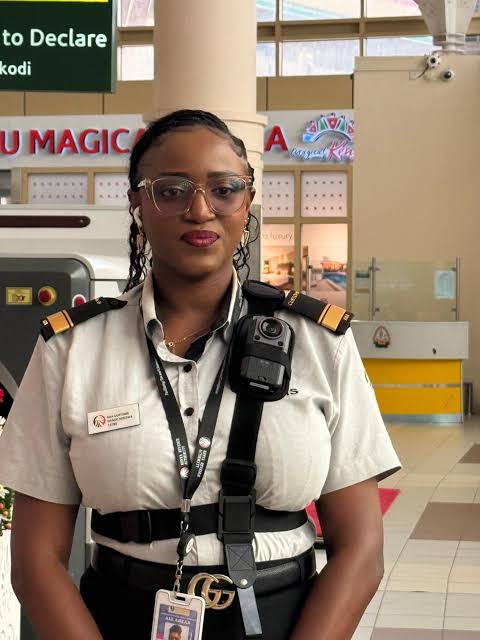
The system will also make it easier to identify and act against employees or agents who attempt to circumvent legal procedures.
Footage from the cameras can be used as evidence in disciplinary actions or legal proceedings, reinforcing integrity in the customs process.
Impact on Revenue Collection
KRA anticipates that the cameras will have a direct impact on revenue collection by minimizing opportunities for under-declaration and illegal clearance of cargo.
Accurate documentation ensures that all applicable taxes and duties are collected, ultimately boosting government revenue.
“Revenue leakages have been a significant challenge, particularly in high-volume environments like JKIA.
These cameras will provide an objective record that helps ensure compliance and accurate collection,” the spokesperson said.
Strengthening Public Trust
Beyond operational efficiency, the introduction of body cameras is expected to strengthen public trust in KRA.
Taxpayers and cargo handlers will have confidence that their transactions are conducted fairly and transparently, while officers are protected from false allegations of misconduct.
Future Plans
KRA has hinted that this technology may be expanded to other key entry points, including Mombasa port and border stations, as part of a nationwide plan to modernize customs enforcement.
The authority believes that technological solutions are key to reducing corruption, improving efficiency, and enhancing revenue collection across the country.
With the successful rollout of body-worn cameras at JKIA, KRA is setting a precedent for innovative technology-driven interventions in public service and customs enforcement.
This aligns with global best practices in combating corruption and ensuring compliance.



Comments 0
Sign in to join the conversation
Sign In Create AccountNo comments yet. Be the first to share your thoughts!