
The National Transport and Safety Authority has received a major boost after the High Court of Kenya declined to suspend the newly introduced automated instant traffic fines system.
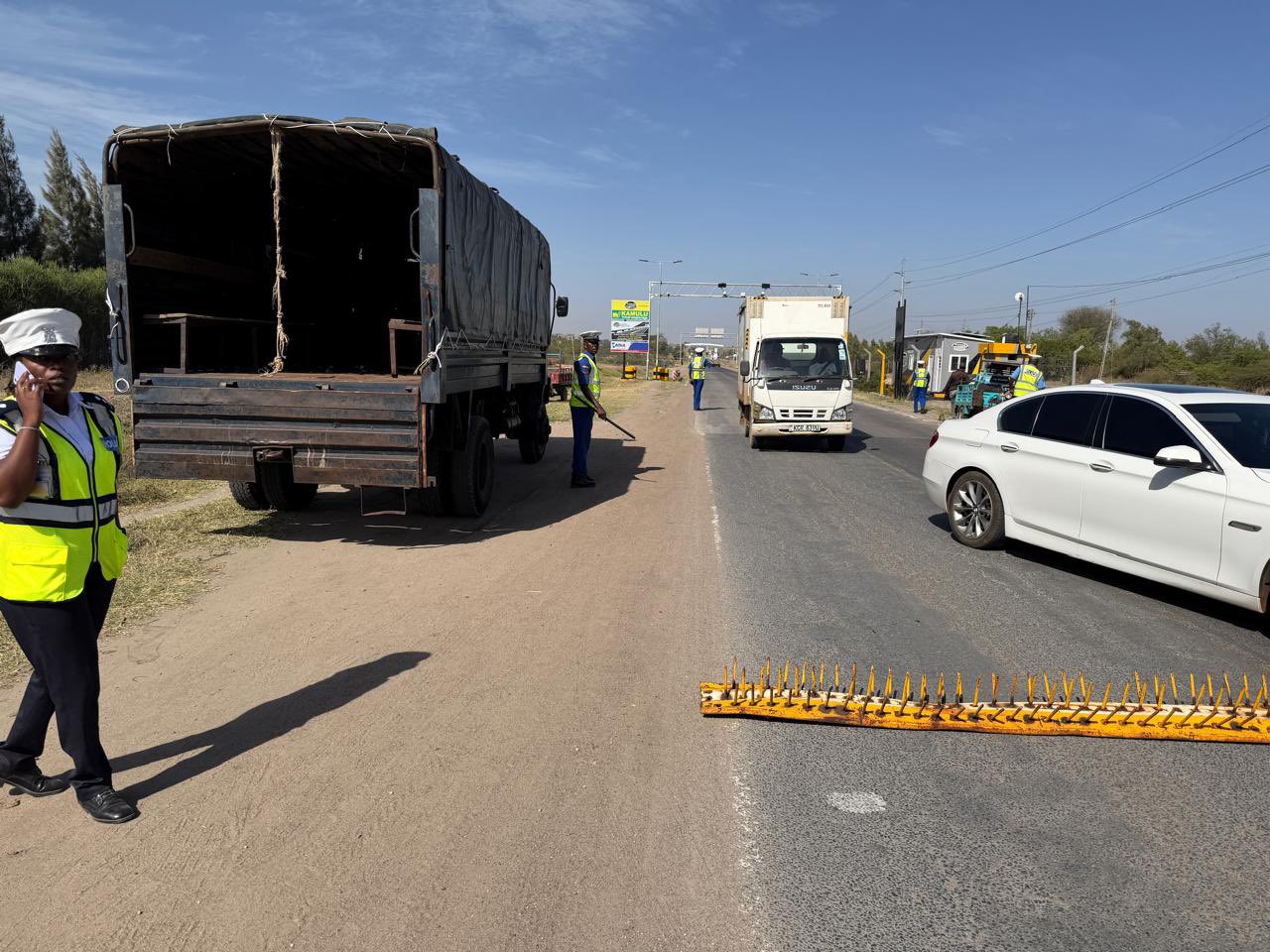
The initiative, which is part of NTSA’s effort to modernize traffic enforcement, automatically detects and records traffic violations before issuing fines to offenders.
NTSA Defends the System
Speaking on the matter, NTSA Director General Nashon Kondiwa strongly defended the instant fines management system, saying it is not designed as a revenue collection tool.
“Instant fines management is not about collecting cash,” Kondiwa stated while explaining the objective of the program.
According to the NTSA boss, the system is primarily intended to improve accountability on Kenyan roads and reduce dangerous driving habits.
Ending the Culture of Impunity
Kondiwa also warned motorists who often ignore traffic regulations, emphasizing that technology now makes it easier to track violations.
“The era of impunity is over. NTSA is watching,” he said.
Also Read: Drivers Beware: NTSA Introduces Real-Time SMS Alerts for Traffic Offences
The automated system relies on digital monitoring technologies capable of identifying traffic violations and notifying drivers almost immediately.
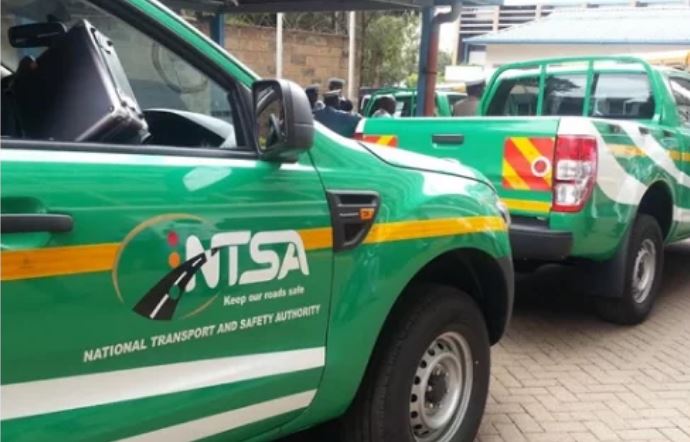
Authorities believe the system will significantly reduce reckless driving, speeding and other traffic offences that contribute to road accidents.
Petition Challenging the System
The court decision came after a petition was filed challenging the implementation of the automated traffic fines system.
Petitioners had raised concerns about the legality and fairness of issuing fines automatically without direct police interaction.
However, the High Court declined to halt the system, allowing NTSA to proceed with its implementation as the broader case continues to be examined.
How the Instant Fines System Works
Under the system, motorists who commit traffic violations receive SMS notifications detailing the offence and the fine required.
Drivers are expected to settle the penalties within the specified period.
Failure to pay within the required timeframe may lead to additional penalties or restrictions on accessing certain NTSA services.
The authority has previously indicated that unpaid fines could lead to vehicle-related services being blocked until the fines are cleared.
Mixed Reactions from Motorists
The introduction of automated fines has sparked mixed reactions among Kenyan motorists.
While some road users support the move as a step toward improving discipline on the roads, others have expressed concerns about transparency and possible system errors.
Despite the debate, NTSA maintains that the new system will ultimately help reduce accidents and create a safer driving environment.
With the High Court declining to stop the initiative, the automated traffic fines system is expected to remain active as authorities continue pushing for stricter road safety enforcement across the country.






Comments 0
Sign in to join the conversation
Sign In Create AccountNo comments yet. Be the first to share your thoughts!