
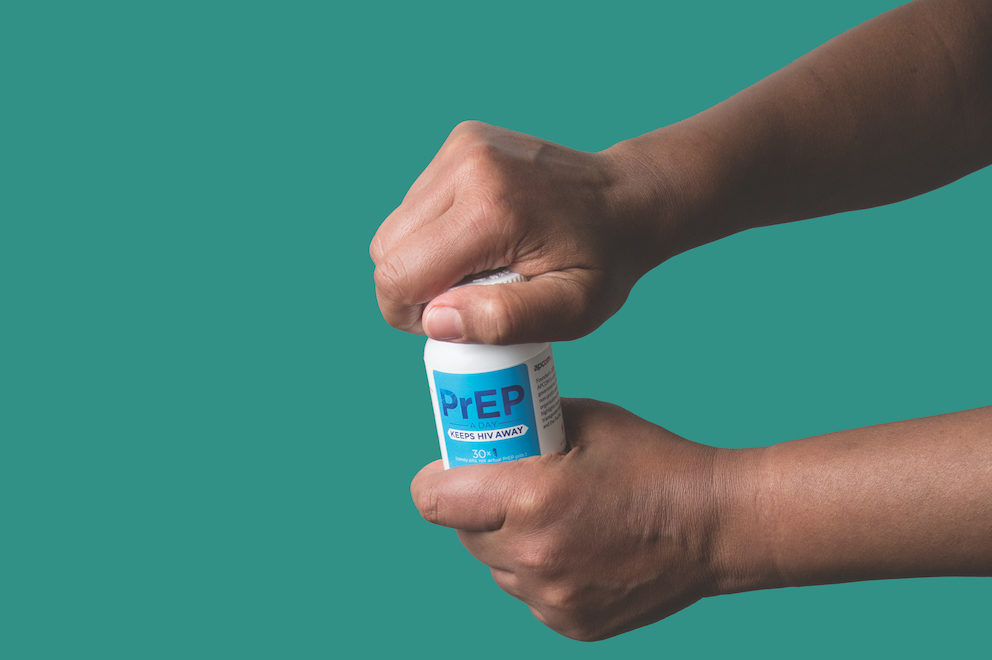
 Researchers found no evidence to suggest that PrEP use is associated with increased risk for STIs.
Health officials had always feared that users would feel protected enough to take greater sexual risks, potentially fuelling a rise in STIs such as gonorrhea and syphilis in Kenya.
The fears were more palpable after Kenya last month introduced Lenacapavir, the once-in-six-months anti-HIV injection.
But a new study in Kisumu suggests those fears are largely unfounded.
Researchers in Kisumu followed about 650 women, 60 per cent of them taking oral pre-exposure prophylaxis (Prep) to prevent HIV, and the others not taking any, for 12 months until February 2024.
The findings published this week in the PLOS Medicine journal indicate that women who used Prep did not engage in riskier sex and did not experience higher rates of STIs than women who did not take the drug.
“During the 12 months of follow-up, there was no association between frequency of condomless sex at the last sex and PrEP use consistency through six months,” researchers said in their report, titled “Oral preexposure prophylaxis use and the risk of bacterial sexually transmitted infections and HIV among African women.”
They added: “We found no evidence to suggest that PrEP use is associated with increased risk for STIs among African women at elevated risk for HIV.”
Similarly, STI infection was reported only in 12 women who were consistently on PrEP, in 17 women who were inconsistently on PrEP and in 25 women who never used PrEP at all.
The researchers are from Kenyatta National Hospital, the University of Washington, the Fred Hutchinson Cancer Centre, and McGill University, Canada.
The women were recruited at family planning clinics. They were all believed to be at substantial risk of HIV infection and were offered PrEP pills, but only 60 per cent (about 390) agreed.
Over the 12 months, researchers regularly tested them for HIV, chlamydia and gonorrhoea.
The infection rate of STIs was almost identical among women who used PrEP and those who did not, suggesting the medication itself did not increase STI risk.
The findings help address a long-running debate about what scientists call risk compensation. This is the idea that people who feel protected from HIV might engage in riskier sex, potentially increasing exposure to other infections.
However, this study suggests PrEP users may be more cautious overall because they consider themselves to be at a higher risk of HIV and STIs. They also receive more counselling during PrEP-related medical visits.
More striking still was the drug’s effectiveness against HIV itself. During the year-long follow-up, only four women acquired HIV. Three of those infections occurred among women who had declined to start PrEP.
“No HIV infection occurred in women reporting consistent PrEP use, but 75 per cent of all new HIV infections occurred in women who declined to initiate PrEP, representing a tragic missed opportunity for HIV prevention,” the researchers said.
PrEP works by placing antiretroviral medicine in the bloodstream before exposure to HIV. If the virus enters the body, the drugs block it from establishing an infection. When taken consistently, the pills can reduce the risk of acquiring HIV by more than 90 per cent.
The National Aids and STIs Control Programme (Nascop) last month introduced lenacapavir, a long-acting injectable form of PrEP that protects against HIV for six months.
It was rolled out in Nairobi on February 26, and will be followed by Migori and Busia on March 12. Siaya and Mombasa will launch on March 13, then Homa Bay. Additional launches are scheduled in Machakos, Nakuru, Kilifi and Kakamega on March 26, with Kisii and Kajiado also expected to introduce the prevention injection.
Public health experts believe long-acting options could transform HIV prevention by removing the challenge of remembering daily medication.



![Africa CDC Director General Dr Jean Kaseya at a past event. [Photo: Arthur Mbuguah, WHM]](https://cdn.radioafrica.digital/image/2026/10/8ced213c-affb-4dff-97ca-1b6bac1f958e.webp)