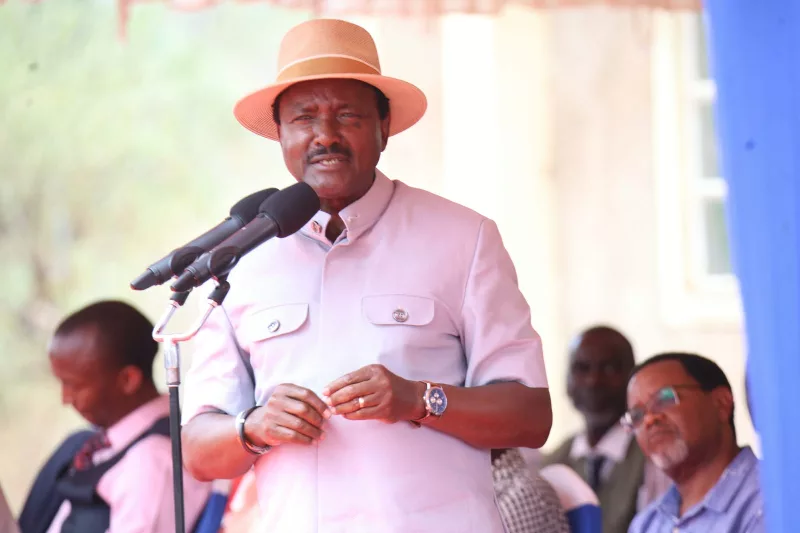
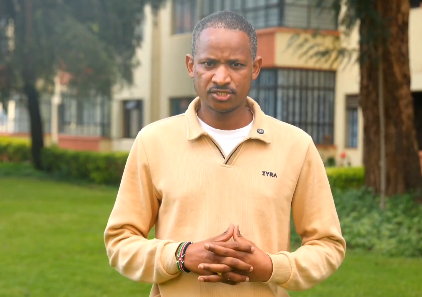
 Embakasi East MP Babu Owino/SCREENGRAB
Embakasi East MP Babu Owino has proposed a series of measures aimed at addressing persistent flooding in Nairobi following heavy rainfall last Friday that left several parts of the city waterlogged and disrupted transport and business activities.
The downpour flooded major roads and residential areas, forcing motorists and pedestrians to wade through water in low-lying neighbourhoods while some homes were inundated.
The incident renewed debate about the city’s preparedness to handle seasonal rains and the long-standing challenges of urban drainage and planning.
Speaking on his social media platforms, Babu said a combination of infrastructure improvements and environmental management could significantly reduce flooding in the capital.
He listed several solutions:
- Expanding and deepening drainage systems
- Strengthening stormwater management
- Rehabilitation and expansion of rivers
- Using dams as stormwater storage
- Improved urban planning and preventing illegal construction
- Protecting wetlands
- Tree planting and improved waste management
“Many drainage channels in the city are shallow and unable to handle large volumes of stormwater during intense downpours,” he said.
According to Babu Owino, expanding and deepening existing drainage systems would be a key step in preventing floodwaters from accumulating in estates and business districts during heavy rainfall.
Babu also proposed strengthening stormwater management systems to ensure rainwater is properly channelled away from roads and residential areas.
“Proper stormwater drainage will reduce the amount of water that remains on streets during heavy rains,” he said.
Another major solution he highlighted is the rehabilitation and expansion of Nairobi’s three main rivers like Nairobi River, Ngong River, and Mathare River.
He said deepening and widening the rivers would help them carry larger volumes of water during heavy rainfall, reducing the likelihood of overflow into nearby estates and informal settlements.
Babu also emphasised the importance of using existing dams in the city as storage facilities for stormwater.
“By temporarily holding excess water during heavy rains, the dams can help lower the volume of water flowing through roads and neighbourhoods,” he said.
The MP further pointed to the role of urban planning in flood prevention.
“We must work on construction planning where buildings should not be constructed. Illegal developments in sensitive areas, especially wetlands, limit the land’s natural ability to absorb rainwater and increase the risk of flooding,” Babu said.
Protecting wetlands and preventing illegal developments would allow soil and vegetation to naturally absorb rainfall, helping reduce surface runoff during storms.
Babu also proposed tree planting and improved waste management as additional measures.
“We should also plant trees and work on a clean environment. Garbage often clogs drainage systems, preventing water from flowing freely. Maintaining regular collection will help keep drainage channels open during storms,” he said.
The proposals come as Nairobi continues to experience periodic flooding during heavy rains, with authorities pointing to drainage limitations, blocked waterways, and rapid urban development as major contributors to the problem.