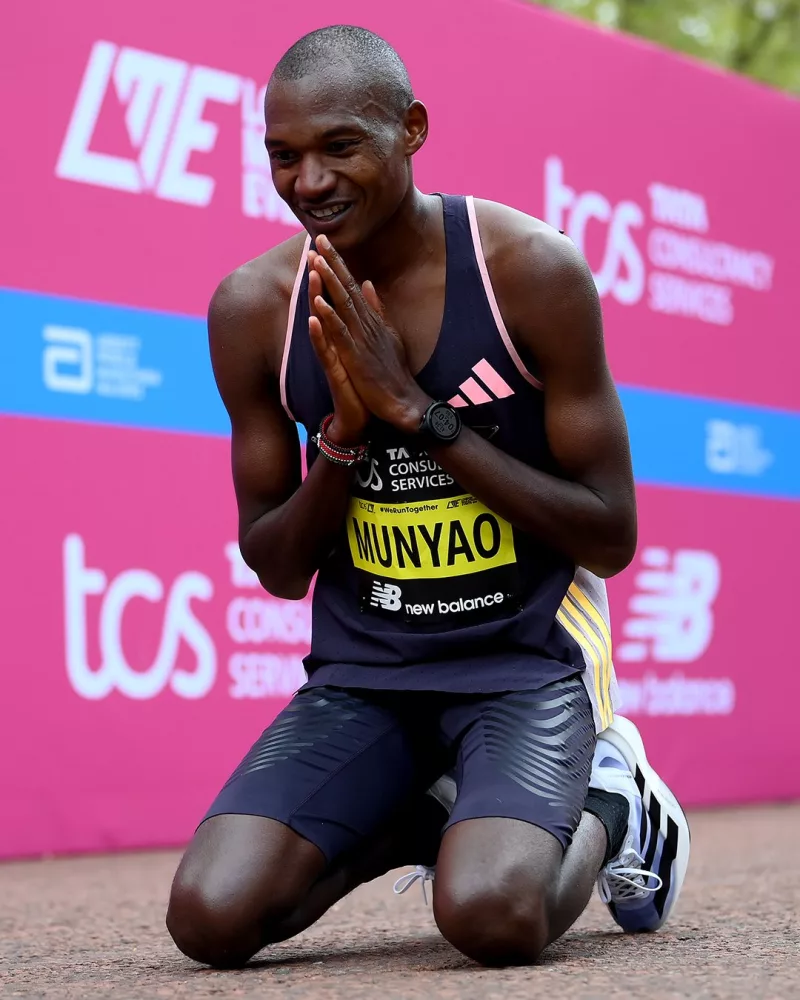
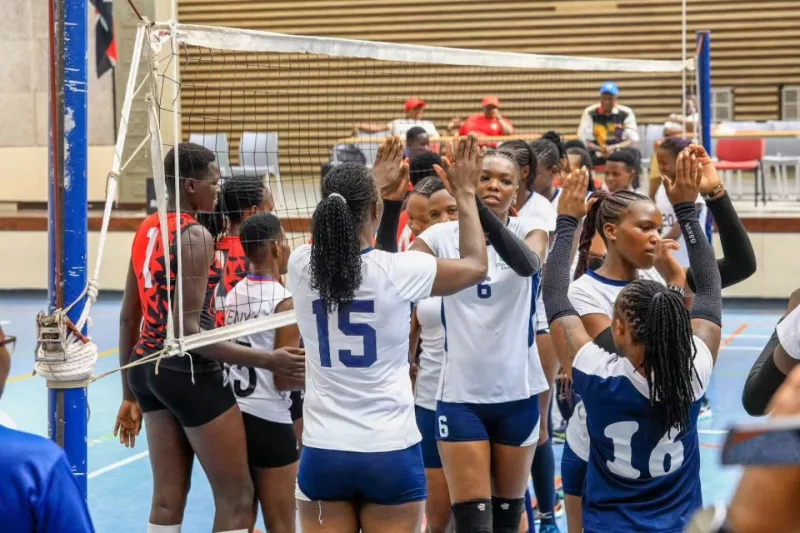
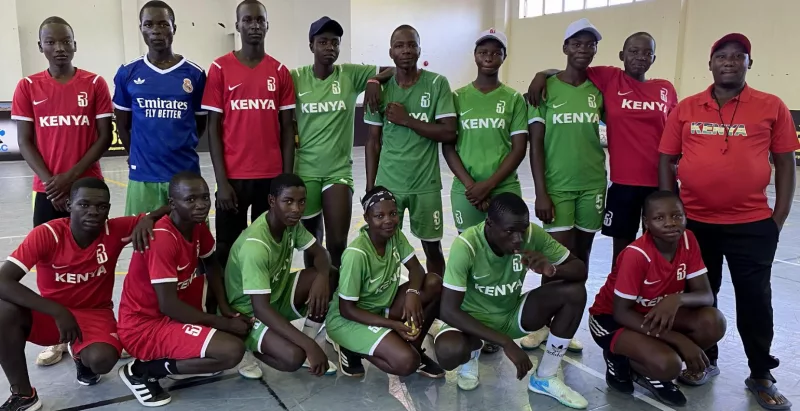
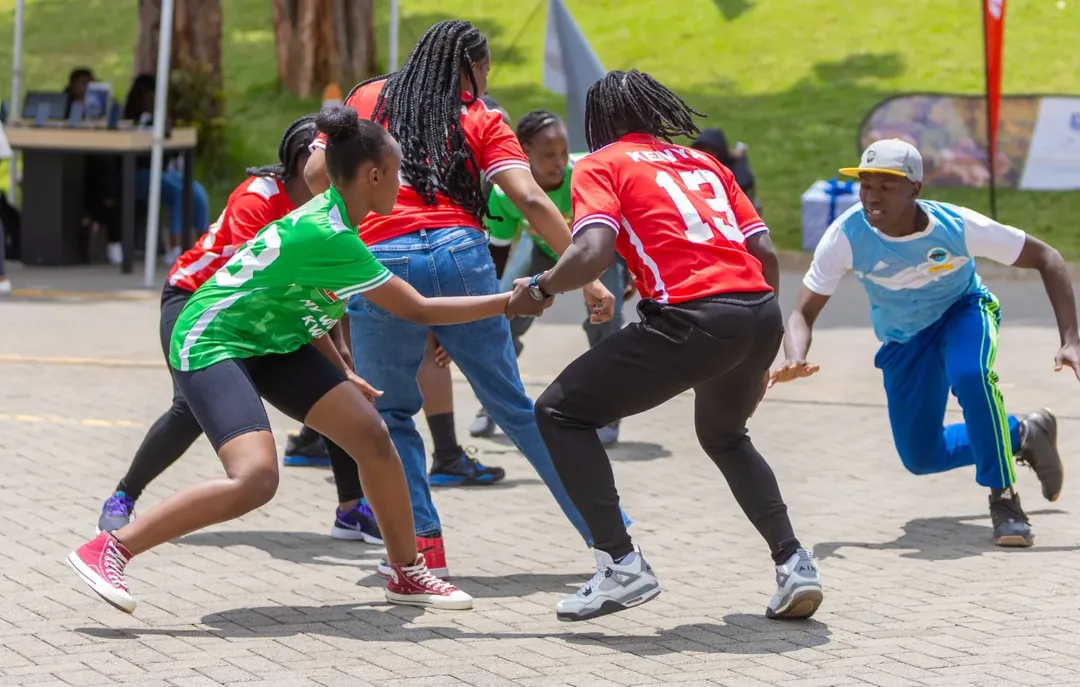
 Players compete in a previous Kabaddi tournament/ KENYA KABADDI UNION
In Kenya, there is a sport slowly carving its way through the national ranks: Kabaddi.
The nation has already enjoyed significant success in the discipline, highlighted by a bronze medal at the 2016 Kabaddi World Cup, four Africa Cup titles and, most recently, a bronze medal at the 2024 Men’s Beach World Cup in Iran.
Read Also
Today, we venture into this little-known but rapidly growing sport on the Kenyan scene.
Kabaddi is a high-intensity, seven-a-side contact team sport that originated in India, combining elements of tag and wrestling, where teams alternate turns raiding the opponent's side.
The objective is for a player, known as the 'Raider', to enter the opponent’s court, tag defenders and return to their half, all while chanting “kabaddi” in a single breath, earning points for successful touches while the defending side attempts to stop them.
Raiders score points by tagging defenders, crossing the bonus line, or escaping tackles, a task that requires high speed, agility and tremendous lung capacity.
If a raider is tackled, runs out of breath, or steps out of bounds before returning to their half, they are declared out.
Raiders often rely on a range of clever attacking techniques, including the Dubki, which is a signature, highly advanced raiding skill where the raider swiftly ducks or dives beneath the chain of defenders attempting to block them, often slipping between their arms or legs.
It is a deceptive move designed to escape a multi-person tackle and reach the midline, and has been most famously executed by India’s celebrated raider Pardeep Narwal.
Key scoring elements include one point for a successful touch or bonus, two points for a Super Tackle (where a raider is stopped by three or fewer defenders) and two additional points for an All Out, which occurs when an entire team is eliminated from the court.
Kabaddi matches are typically played in two halves of 20 minutes each, with the team with the highest points at the end of regulation time declared the winner.
In the event of a tie during knockout matches, teams proceed to a five-round-per-team shootout and if the deadlock remains, the match is decided through a dramatic Golden Raid.
In league competitions, teams are also awarded table points based on the result and margin of victory.
A win can yield two to five points, a tie one to three points, while a loss earns zero to one point.
Kabaddi traces its origins to over 4,000 years in ancient India, particularly the Tamil Nadu region. According to legend, it was played by mythological warriors as a test of strength and endurance.
The modern, structured form of the game began in the 1920s, with standardised rules first published in 1923 and the establishment of the Amateur Kabaddi Federation of India in 1972.
Kabaddi later entered the global stage through several key milestones, beginning with its first international demonstration at the 1936 Berlin Olympics.
The sport gained further international recognition when it was officially included in the Asian Games in 1990 in Beijing, before expanding its global reach with the first Kabaddi World Cup in 2004 and the launch of the Pro Kabaddi League in 2014, which brought the sport unprecedented global viewership.
Kabaddi was introduced in Kenya in 2012 by Laventa Oguta, who went on to found the Kenya Kabaddi Union (KKU) in 2013.
Following its introduction, the sport quickly gained popularity, with the national team making its mark at the 2016 World Cup and the game spreading across several counties, including Mombasa, Nakuru and Kisii, signalling the steady growth of Kabaddi on the Kenyan sporting landscape.