Hustler fund default levels have dropped to below banking sector levels in what the state now attributes to increased sensitisation and recovery measures.
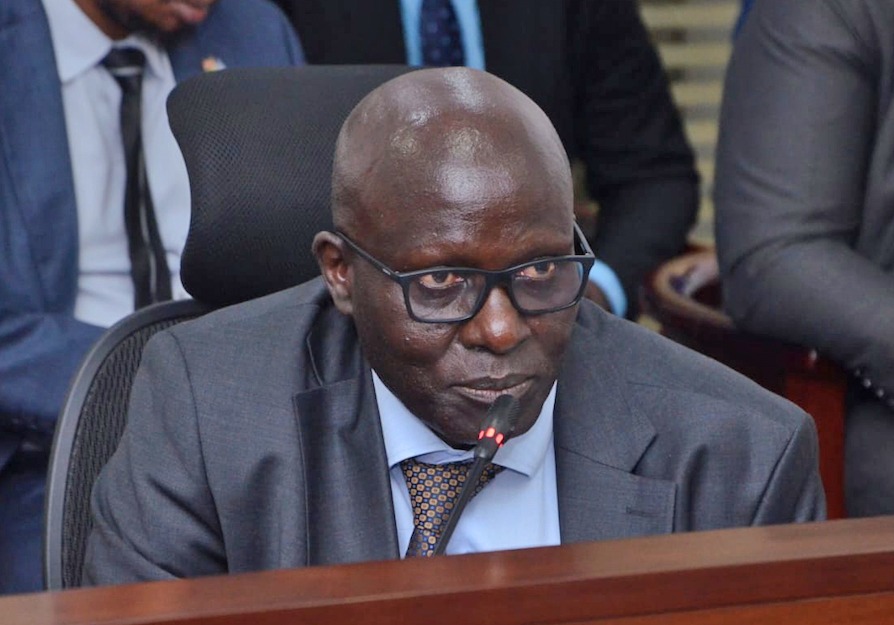
The funds CEO Henry Tanui said that currently defaults have dropped to 15 per cent from a high of 78 per cent that was reported 2024.
While appearing before the Special Funds Accounts Committee, Tanui said that the government will now embark on financial literacy initiatives to further enhance the recovery.
The program, which was president William Ruto’s flagship has so far disbursed Sh83 billion in loans since inception. Data by Hustler Fund shows that about Sh71 billion has been repayed.
“Currently, if you look at the banking sector, non-performing loans are about 15 to 17 per cent. When we worked out our position, we are below the bank rate,” said Tanui.
“However, we still have the challenge of the less loans. When the loans will be passed, then some Kenyan workers will not pay.”
Submission to the committee show that the fund has recorded cumulative savings of about Sh5.3 billion, although Sh1.1 billion has already been withdrawn, leaving Sh4.2 billion in savings as of Wednesday 4.
With most savers emerging as young people aged 18 and 35, who account for nearly Sh2 billion of the total deposits.
The committee heard that initiatives such as denying other state sponsored initiatives like NYOTA fund to defaulters has led to increased compliance.
“Forceful recovery will be the last option, currently we are getting into financial literacy training for Kenyans because we have realised that, this is a major problem,” said the CEO.
Siaya women representative Christine Ombaka, faulted the members of parliament saying that they have played a role in discouraging Kenyans from repaying their loans.
“We are the same politicians telling Kenyans this is free money and yet still coming here to presurise the CEO on recovery measures,” said Ombaka.
The committee members further questioned whether the fund has sufficient oversight over the financial infrastructure used to manage billions of shillings in digital loans.
The programme operates through partnerships with mobile network operators and financial institutions that provide the technological systems used to disburse loans, collect repayments and process savings.
Tanui told MPs that the partnerships are necessary because the fund relies on the existing digital infrastructure of financial institutions and telecommunications firms.
“We are riding on their infrastructure because building a similar system from scratch would require massive investment,” he said.
In return, the institutions share profits generated from the lending platform with the fund and the Central Bank of Kenya.
Despite these assurances, MPs continued to question whether the government has sufficient visibility into the full flow of money through the system.
They asked whether the fund could access real-time transaction data to verify how much interest is generated, how much is distributed to partners and how much is retained.
Tanui maintained that there was no attempt by service providers to conceal information.
“There is no information being hidden from us,” he said, adding that borrowers themselves can track their transactions through their mobile phones.
The committee chair who is also Migori women representative, questioned the CEO on how they intend to crackdown on borrowers who evade repayment by discarding SIM cards used to access loans and registering new ones.
She pointed out that this tactic was increasingly common among young borrowers.
Tanui dismissed the concern, explaining that loans are linked to the borrower’s national identification number rather than the SIM card used to access the service.
“The loan is tied to a national ID, whether someone changes their SIM card or not, the system still identifies them.” He noted.
He added that when borrowers register for the fund, they also provide personal details and location information, which helps the fund trace them if necessary.
Tanui said the fund will intensify financial literacy campaigns aimed at encouraging responsible borrowing and strengthening repayment discipline.
The campaigns will be conducted in partnership with other government agencies and development partners.