March is internationally recognised as Women’s Month, a period when speeches are delivered,milestones applauded and promises renewed. Yet for millions of women and girls across Kenya, thismonth must rest on a harder truth: rhetoric does not replace access.
This year’s UN Women’s theme forInternational Women’s Day 2026, ‘Give to Gain’, calls for more than goodwill. It champions a mindsetof generosity and collaboration, grounded in the belief that reciprocity builds stronger, fairer societies.
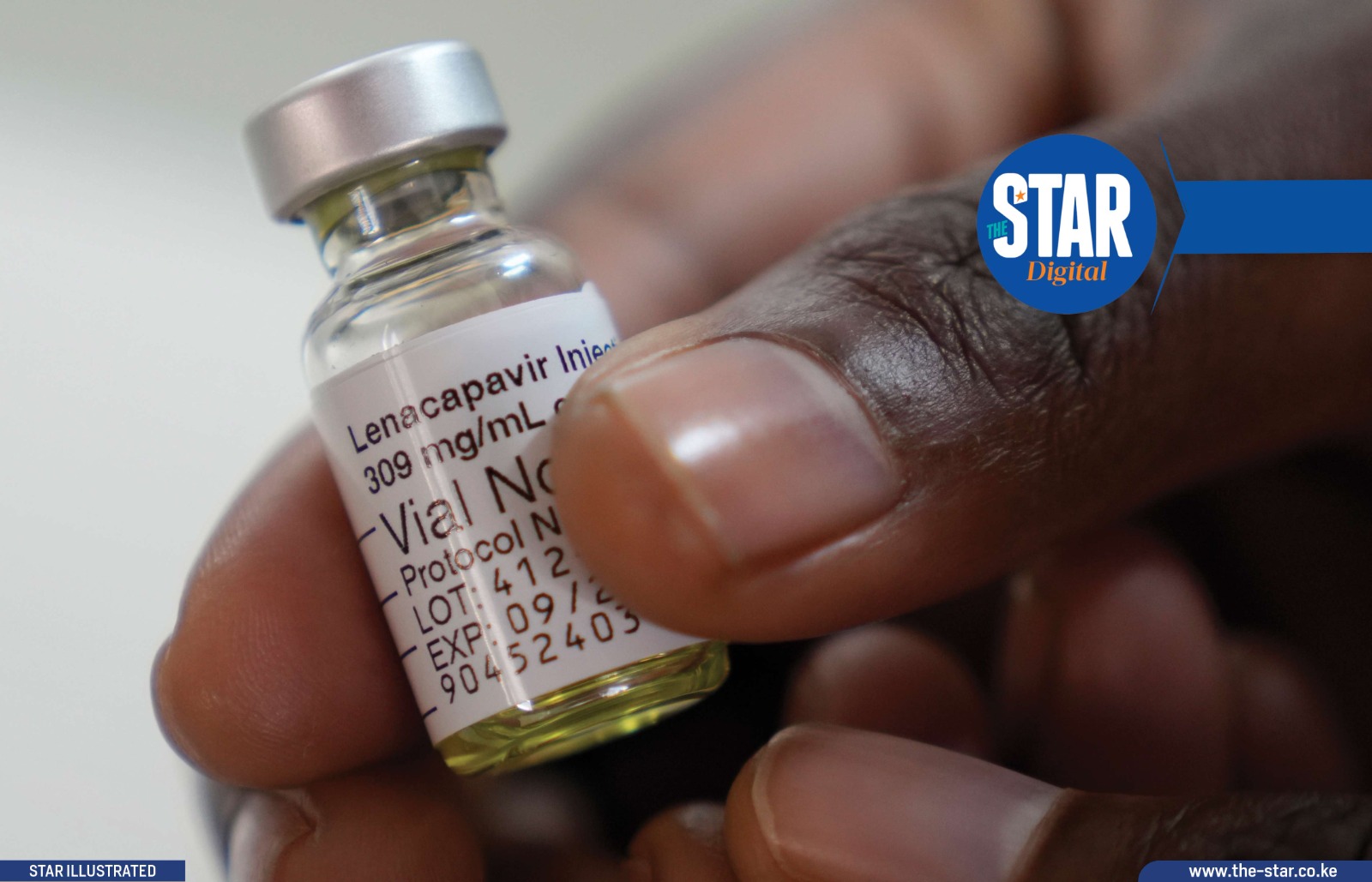
‘Give to Gain’ underscores that when individuals, institutions and communities give deliberately, whetherthrough resources, opportunity, mentorship, or policy change, support for women expands. This year,Kenya reached a significant milestone in HIV prevention with the introduction of a new drug calledLenacapavir.
Unlike daily pills, this medication is administered as an injection just twice a year forpeople at high risk. The World Health Organization has described it as “the next best thing” in HIVprevention because it makes staying protected far simpler and more realistic for many people.
But scientific progress alone is not enough. Women and girls in Kenya remain disproportionatelyaffected by new HIV infections, often due to structural inequality, economic dependence, gender-basedviolence and limited decision-making power over their own health.
They also face persistent barriers toaccessing healthcare: cost, distance, stigma and restrictive social norms. If Lenacapavir is truly tochange the trajectory of HIV prevention, it must be made equally accessible to the women who need itmost. That means intentional investment, community-based distribution, youth-friendly services andpolicies that prioritise women’s autonomy. Innovation only fulfills its promise when it reaches those atgreatest risk.
Lenacapavir will change HIV prevention in Kenya. One shot protects for six months, meaning fewer tripsto the clinic, less stress about taking pills every day and less stigma. For women balancing work, familyand social pressures, this convenience could be life-saving.
The latest data from Kenya’s National Syndemic Disease Control Council shows that new HIV infectionsin 2025 were 20,105, with women bearing the brunt of those cases. Of this total, about 15,642 newinfections were among women, compared with 6,869 in men, highlighting just how deeply the virusremains gendered in its spread.
Even more stark is the burden that women carry across the epidemic. HIVprevalence remains higher amongst women than men, roughly four per cent for females compared toabout two per cent for males. HIV-related deaths in 2025 exceeded 21,000 nationwide. These figuresrepresent lives cut short, families fractured and opportunities lost especially for women who already facestructural inequalities.
As such Lenacapavir is a gamechanger. The first phase is being rolled out initially at select public healthfacilities in Nairobi, Kisumu, Homa Bay, Mombasa and Nakuru, with doses funded through an initialSh256 million grant making injection free during the early rollout.
But free availability at ahandful of sites is only as good as the capacity of women to reach those sites. For many women,especially in rural areas or informal settlements. access is constrained by distance, cost (even fortransport), childcare demands, and social stigma.
Giving must mean bringing services to women where they are. These includes mobile clinics, trainedcommunity health workers and integrated sexual reproductive health rights services that meshHIV prevention with reproductive health, maternal care, and gender-based violence support.
The early phase of the rollout is funded by a grant, but that funding will not last forever. Kenya mustplan for long-term sustainability incorporating Lenacapavir into national health financing strategies sothat cost does not become a barrier once donor funds taper off. If access becomes restricted due toprices, the gains of this innovation will be lost just as they begin.
To truly ‘Give to Gain’, the governmentmust go beyond broad policy statements and commit to deliberate, targeted outreach for those athighest risk: adolescent girls and young women aged 15-24, women living in informal urban settlements,female healthcare workers who make up the majority of the frontline workforce, survivors of sexual andgender-based violence, and sex workers who often face stigma and exclusion from essential services.
When women have greater control over their health and their lives, the ripple effects are measurable.Fewer women get infected with preventable diseases.
Fewer families are thrown into crisis. Women areable to work, earn and plan for their futures. That is what ‘Give to Gain’ really means. It is not aboutcounting how many injections are delivered; it is about making sure the women in Kenya who face thehighest risk are actually reached and protected.
This International Women’s Month, let’s move beyond speeches and turn attention into action andmeasurable gains in women’s health, access, and well-being. Let’s back innovation with funding, matchpolicy with outreach, and ensure that the women who face the greatest barriers are not the last tobenefit.
Nyakio is communications consultant at the Legal Caravan