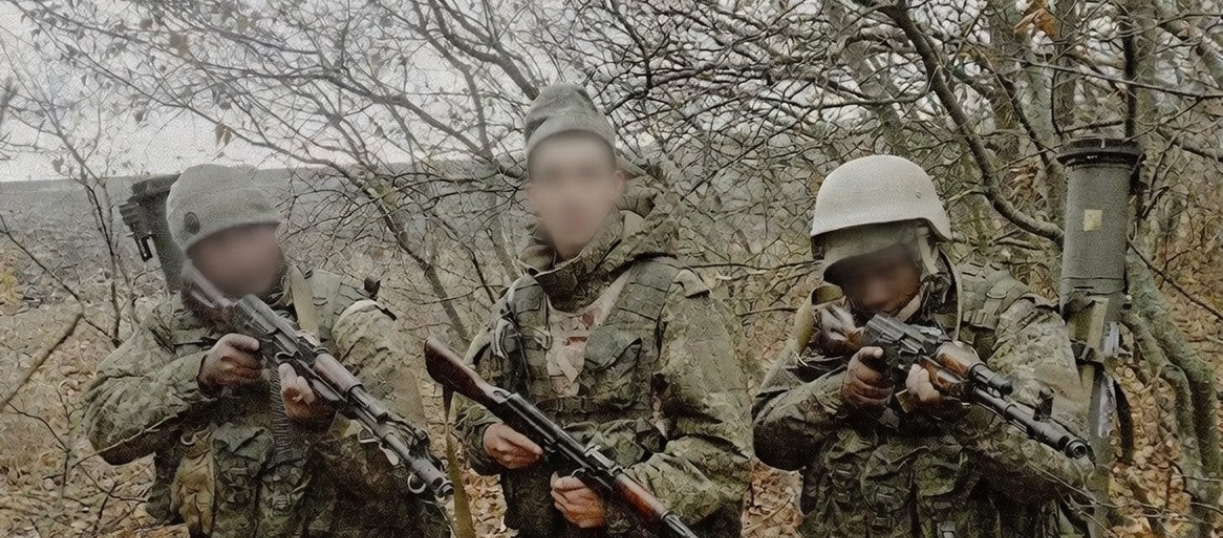
Kenyans are sneaking through land borders and using neighbouring countries to fly out to join the Russia-Ukraine war.
Officials told MPs that some recruits are crossing the Busia and Malaba borders into Uganda before boarding flights from Entebbe, while others mislead immigration officers by declaring Addis Ababa as their final destination before proceeding to Moscow.
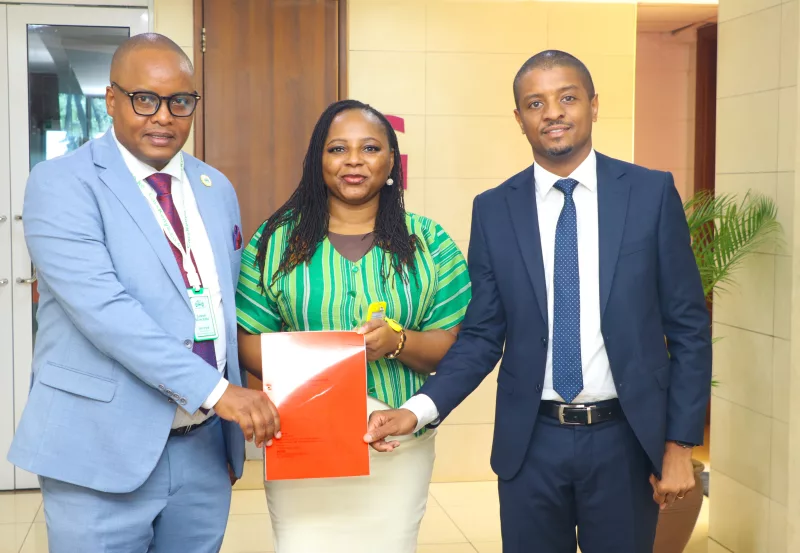
Diaspora Affairs PS Roseline Njogu told the National Assembly's Diaspora Affairs and Migrant Workers Committee that many Kenyans who ended up in Russia’s military had used illegal channels facilitated by unlicensed agents.
“From the information that we have, especially from the 39 Kenyans who have been rescued from the Russian military by our team in Moscow together with members of our ministry, we know every recruitment has been done by persons not licensed and regulated by us,” Njogu said.
The government has put in place measures to regulate labour migration. They include licensed and regulated recruitment agents, authentication of job orders by the Ministry of Foreign and Diaspora Affairs, contract verification by the Labour ministry and mandatory pre-departure training.
But most of those who travelled to Russia bypassed the procedures and instead relied on rogue agents — a pattern officials say resembles trafficking cases involving Kenyans lured to Myanmar and Cambodia.
The new tactics have emerged even as Kenya tightens scrutiny at Jomo Kenyatta International Airport in an attempt to curb the recruitment of citizens into foreign military operations.
Some of the rescued Kenyans have since told authorities they were duped with promises of security jobs, construction work or well-paying opportunities, only to discover after arrival that they had been recruited into military operations.
Others claim they were assured they would work in non-combat roles but later found themselves deployed to active battle zones.
At the same time, the government acknowledges that not all recruits were misled. Some knowingly signed contracts to join the military but later attempted to withdraw after encountering the realities of the conflict.
“We have seen these recruits in videos giving consent to work in the military, and then end up in the frontline. We then have a crisis of people who want to walk away from the contracts,” Njogu said.
She added that interviews with families of some recruits revealed relatives were aware their kin were travelling to fight abroad, highlighting the complex motivations behind the trend.
The PS said authorities had tightened checks at JKIA, but the evolving tactics by recruiters and recruits continue to pose challenges.
“And having tightened scrutiny at JKIA, some of those recruited have used other routes to Russia,” she told the committee.
Despite rescue efforts by Kenyan officials in Moscow, the government says there are limits to what it can do when individuals voluntarily sign up to join foreign militaries.
“There is very little a government, however powerful, can do to save someone from themselves. Our message has been consistent. There is a war between Russia and Ukraine. You can’t volunteer to fight and later say I want to be taken from here,” Njogu said.
A diplomatic source told the Star that there are thousands of requests from Kenyans trying to join the Russian army. Most of those applying don’t understand the magnitude of the war and the situation on the ground.
“Some think they will drive armed vehicles somewhere far away from the battlefield. And once they voluntarily sign the contract, there is no legal possibility to cancel it before it ends. It is clearly stated in the contract,” the source said.
Njogu expressed frustrations at the growing challenge facing the government as it tries to curb illegal recruitment networks.
This is despite the increased public awareness and stronger enforcement to prevent more Kenyans from joining the war.
A National Intelligence Service report tabled in the National Assembly indicated some 1,000 Kenyans had been recruited into the Russian military.