
The Middle East has erupted into one of the most dangerous geopolitical confrontations in years, involving Israel, Iran and their global allies.
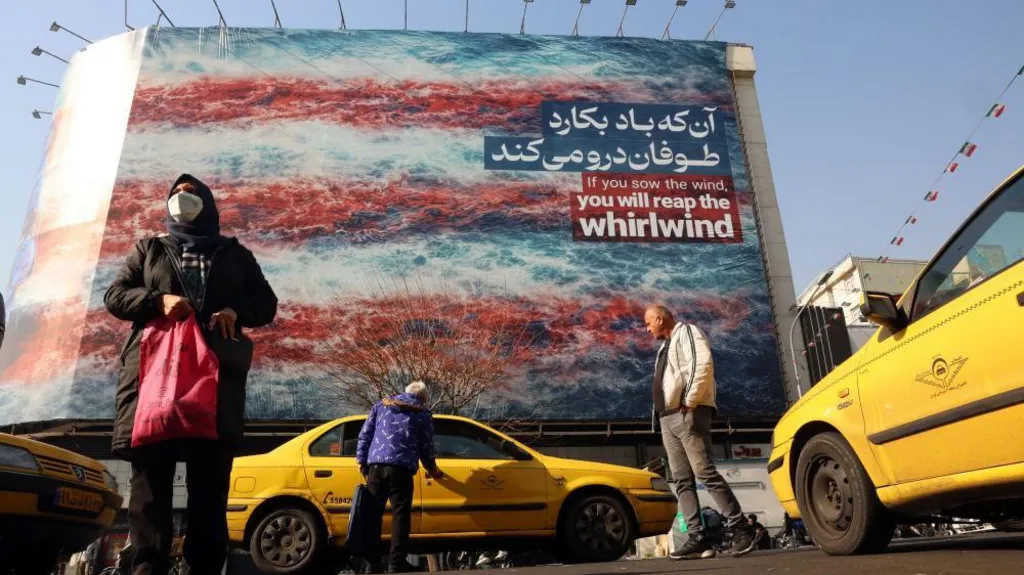
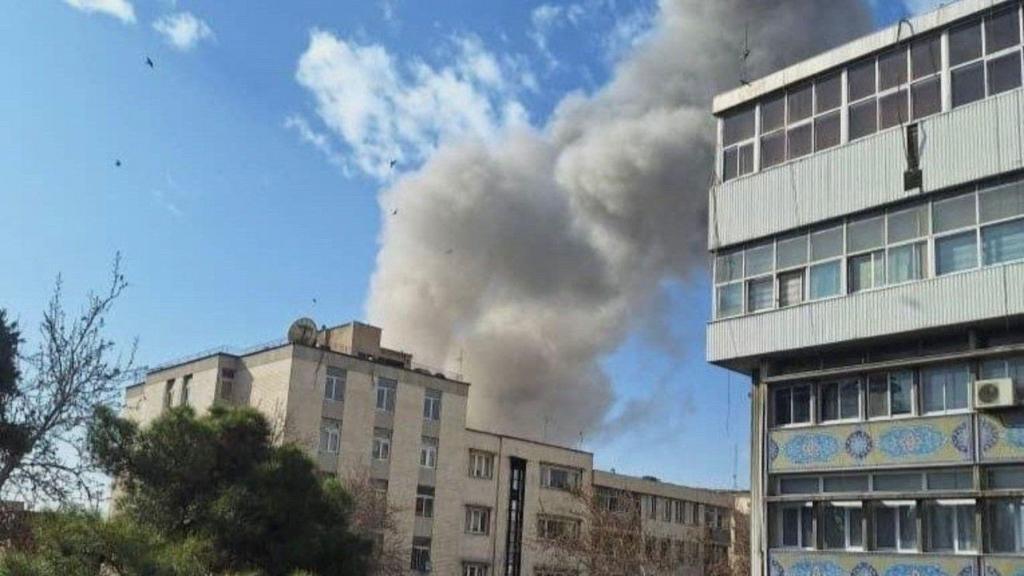
In response, several Gulf states activated air defence systems, intercepted waves of missiles and drones, and temporarily closed airspace to protect civilians.
Airports and commercial flights were disrupted as a result.
The Broader Regional Impact
The conflict has already had serious humanitarian consequences, with civilian casualties reported in Gulf cities due to falling missile debris.
Additionally, global leaders have warned that prolonged war could destabilise international peace and security, prompting urgent diplomatic engagement and calls for de-escalation.
Also Read: How the Gulf Conflict is Threatening Kenya’s Sh700 Billion Annual Trade
The Strait of Hormuz, the narrow waterway responsible for transporting roughly one-fifth of the world’s oil supply, has seen decreased maritime traffic due to security concerns.
Disruption here has immediate implications for global energy markets and insurers, causing volatility in crude prices.
Effects on Kenyans in the Middle East
Kenya has one of the largest diaspora communities in the Gulf, with hundreds of thousands of Kenyans working in countries like the UAE, Saudi Arabia, Qatar and Kuwait.
The escalating conflict has prompted government advisories urging citizens abroad to exercise caution, stay updated with official guidance and register with Kenyan embassies to receive support if needed.
Travel has been affected too.
Airlines including Kenya Airways temporarily suspended flights to the UAE amid safety concerns and airspace closures, leaving many Kenyans stranded or facing disrupted travel plans.
While the Iranian ambassador to Kenya has assured the public that Iranian missiles do not have the range to reach Kenyan territory — due to a reportedly deliberate 2,000-kilometre limit — the conflict still weighs heavily on Kenyans abroad, particularly those in hotspot regions.
Economic Repercussions for Kenya
Even though Kenya is geographically distant from the Middle East battlefields, its economy is deeply connected through energy imports, trade, remittances and cargo routes:
1. Fuel Prices and Cost of Living:
Kenya imports most of its refined petroleum products from Gulf nations.
As the conflict threatens supply routes and pushes up global crude prices, Kenya could face higher fuel costs, which cascades into increased transportation, agricultural, and food distribution prices.
Mounting fuel and transport costs contribute to inflation and put pressure on household budgets.
2. Trade and Exports:
Kenya’s tea — one of its top exports — and other agricultural products depend on reliable shipping and cargo connections through the Gulf and beyond.
Airspace closures, route diversions and increased freight and insurance costs disrupt timely delivery, affecting competitiveness and trade earnings.
3. Remittances and Diaspora Income:
Remittances from Kenyans working in the Gulf are a vital source of foreign exchange.
Flight disruptions, job uncertainties and regional instability could slow remittance flows back home, affecting household spending and national foreign exchange reserves.
4. Broader Economic Shockwaves:
African Union leaders have warned that the conflict could impact African economies through trade, energy and investment channels.
Higher global energy costs and logistical challenges in maritime and air transport can ripple through consumer markets and national budgets.
Growing Calls for Peace and Diplomacy
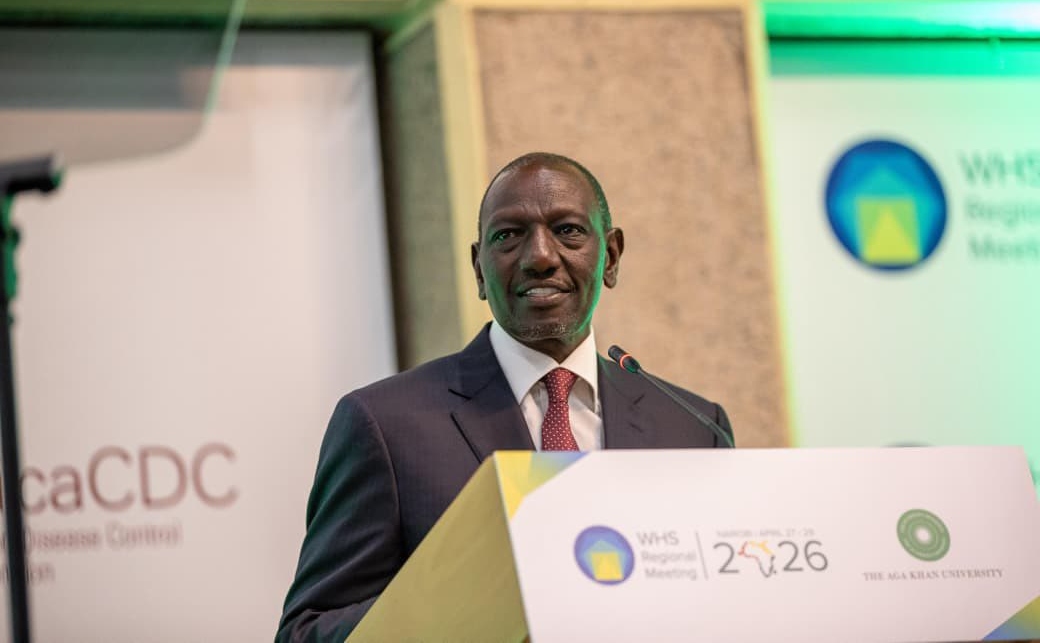
Kenyan leaders, including President William Ruto, have publicly condemned strikes on Middle Eastern nations and called for urgent diplomatic efforts to de-escalate the conflict.
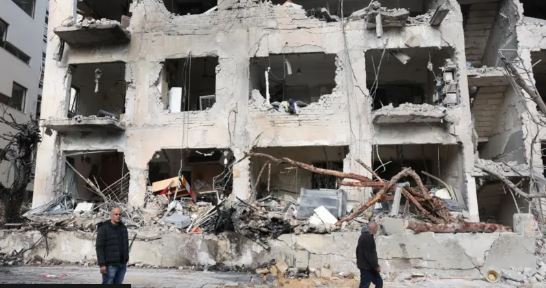
The Israel–Iran war, while unfolding thousands of kilometres from Kenya, is far from irrelevant to millions of Kenyans.
The conflict affects where Kenyans work, how goods move, what they pay at the pump, and how quickly products like tea and coffee reach global markets.





Comments 0
Sign in to join the conversation
Sign In Create AccountNo comments yet. Be the first to share your thoughts!