
For hundreds of thousands of Kenyans, the Middle East has long represented a gateway to better employment opportunities.
Nations such as Saudi Arabia, the United Arab Emirates (UAE), Qatar and Kuwait host a large Kenyan diaspora working across sectors from healthcare and hospitality to construction and domestic work.
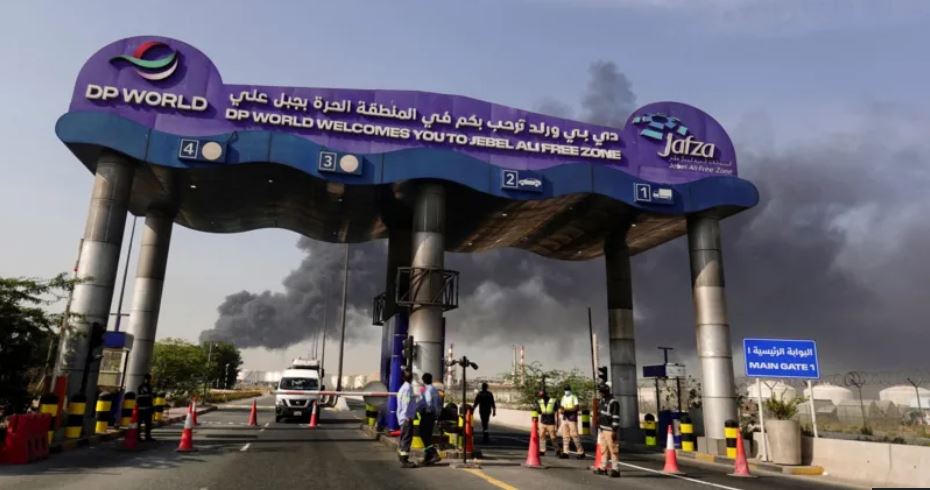
But the recent escalation of conflict — sparked by joint US–Israel strikes on Iran and subsequent retaliatory attacks across the Gulf region — has placed this community under heightened strain and raised serious economic concerns back home in Kenya.
Heightened Security Concerns for Kenyan Workers
Kenyan authorities have issued travel and security advisories urging citizens living in or passing through the Middle East to exercise extreme caution amid unpredictable security developments.
In recent days, the Ministry of Foreign and Diaspora Affairs and Prime Cabinet Secretary Musalia Mudavadi have warned that the fluid situation could affect cities and regions where Kenyans reside.
This will particularly affect Gulf states like Qatar, the UAE and Saudi Arabia — where over 400,000 Kenyans are estimated to live and work.
Also Read: 'Buildings Were Shaking': Kenyans in Gulf Describe Missile Attacks
These advisories emphasise that Kenyans should stay registered with their nearest embassy or consulate, provide up‑to‑date contact information, avoid non‑essential movement, and rely on official communications for updates.
Some governments in the region have already closed airspace and restricted movements in certain areas due to heightened military alerts, which also affects travel and work arrangements for expatriates.
While there have been no widely confirmed reports of Kenyan casualties, the sense of anxiety among families with loved ones abroad is palpable.
Many households rely on remittances — money sent home by family members working overseas — as a lifeline for daily expenses, education, healthcare and savings.
Disruptions to Travel and Work
One immediate effect of the escalation has been disruptions to international travel.
Major airlines, including Kenya Airways and carriers operating flights to the Middle East, have temporarily suspended services to Gulf destinations due to airspace closures and safety concerns.
These limitations not only make it harder for Kenyan workers to travel but also affect seasonal labour movements and contract renewals, complicating employment for those whose visas and renewals depend on reliable flights.

For many workers, particularly those in sectors that cannot be done remotely — such as domestic service or construction — restrictions on movement and uncertainty over returning home or accessing consistent employment amplify stress and disrupt financial planning.
Families in Kenya who depend on this income are left in limbo as remittance flows slow.
Economic Ramifications for Kenya
The potential economic fallout extends beyond remittances. Kenya’s economy has significant trade and financial links with Middle Eastern markets.
According to recent assessments, the Gulf accounts for roughly Sh700 billion in annual trade with Kenya, spanning exports and imports of agricultural produce, energy products, machinery and consumer goods.
Disruptions to these routes due to ongoing conflict and elevated shipping and insurance costs — particularly around strategic chokepoints like the Strait of Hormuz — could ripple through Kenya’s import‑dependent economy.
Higher insurance premiums, increased freight charges and logistical delays translate into higher costs for goods and fuel imported into Kenya.
Since the country imports a majority of its refined oil products, disruptions in supply chains and escalating global oil prices can directly drive up local fuel prices, which in turn fuel inflationary pressures on transportation, food prices and manufacturing costs.
This pressure compounds existing economic challenges facing the country.
Higher fuel costs and imported goods disrupt household budgets, raise production costs for businesses, and limit disposable income — a context that can erode consumer spending and slow economic growth.
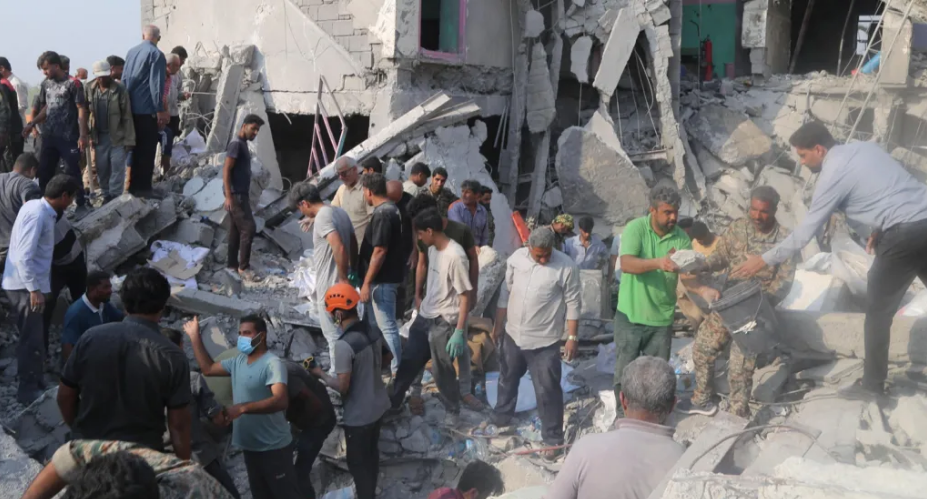
Analysts have warned that prolonged conflict in oil‑producing regions often leads to volatility in global energy markets — a risk factor that Kenya, as a net importer of fuel and energy products, cannot ignore.
Dependence on Remittances and Long‑Term Risk
Remittances from Kenyans abroad are a critical part of Kenya’s foreign exchange inflow.
They help stabilise the Kenyan shilling, support household consumption and provide vital funding for education and healthcare for many families.
If remittances decline due to job losses, disrupted contracts, or prolonged instability in the Gulf, Kenya could face pressure on its foreign exchange reserves and greater vulnerability to external shocks.
While it is still early to predict exact figures, economists warn that sustained conflict could weaken remittance corridors, deter future employment placements in the Gulf, and contribute to broader economic headwinds for Kenya in 2026 and beyond.
Looking Ahead
For now, the Kenyan government continues to monitor the situation and provide guidance to its citizens abroad.
As global attention focuses on diplomatic efforts to de‑escalate tensions, many Kenyan workers and their families remain hopeful that stability will return soon, allowing livelihoods and financial flows to normalise.
But the economic challenges posed by ongoing conflict underscore how deeply interconnected global peace, labour mobility, and national economic health have become in an increasingly globalised world.






Comments 0
Sign in to join the conversation
Sign In Create AccountNo comments yet. Be the first to share your thoughts!