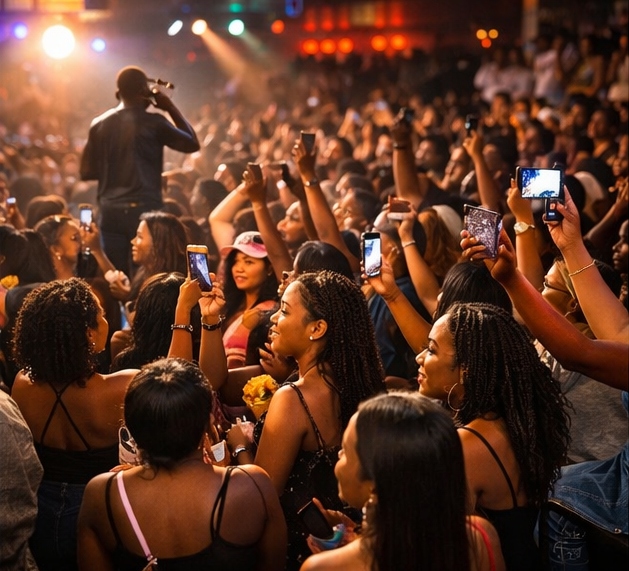
Across Nairobi’s night-time scene, venue owners and promoters say the gender balance has shifted. Several clubs and large-scale events now report a higher turnout of women compared with men, a trend also highlighted in recent coverage by Mpasho.
Social media discussions have echoed these observations, with users questioning why concerts, themed parties and festivals appear to have fewer male attendees than in previous years.
Read Also
Enjoying this article?
Subscribe for unlimited access to premium sports coverage.
View Plans
Economic Pressures
One frequently cited factor is cost.
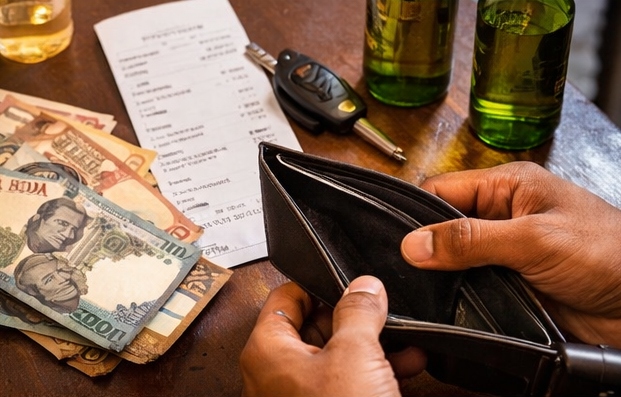
A 2025 feature by Mpasho reported that some event organizers attribute the decline in male attendance to financial strain. The cost of a night out in Nairobi can include:
- Entry tickets range from mid to premium pricing
- Ride-hailing or fuel expenses
- Food and drinks at marked-up venue prices
- Clothing and grooming costs
According to data from the Kenya National Bureau of Statistics, inflation and rising living expenses have affected household disposable income in recent years.
While the data does not focus specifically on nightlife spending, it shows broader economic pressures that may influence discretionary activities such as clubbing.
ALSO READ: Viral Christian Concerts in Nairobi Clubs Spark Heated Debate Among Kenyans
International data reflects similar patterns. Surveys conducted by Gallup in the United States have shown a decline in bar attendance among young adults compared with previous years. Though not gender-specific to Kenya, the findings point to a broader shift in entertainment habits.
“The cost of maintaining a nightlife lifestyle has gone up significantly,” one Nairobi promoter told Mpasho.

Changing Social Preferences
Lifestyle reporting suggests social habits are evolving. Mpasho has documented the rise of so-called “soft life” culture — quieter, more curated social settings such as cafés, brunches and house gatherings.
Industry observers note that some men appear to prefer:
- Smaller, controlled social circles
- Daytime events rather than late-night clubbing
- Digital entertainment and streaming
Globally, nightlife industries are also adjusting. In the United Kingdom, data from the Night Time Industries Association shows hundreds of nightclubs have closed since 2020 due to economic and behavioral shifts.
Event Design and Marketing
Promoters also point to programming and marketing strategies. Some themed events target female audiences directly, influencing turnout patterns. Influencer-driven marketing and women-focused brand partnerships may also shape attendance demographics.
A Broader Shift
There is no single national study isolating why fewer men are attending entertainment joints in Kenya. However, reporting from Mpasho, economic indicators, and international nightlife data suggest a combination of:
- Rising costs
- Changing lifestyle priorities
- Shifts in venue culture
- Broader global entertainment trends
Together, these factors provide context for the changing gender balance in Kenya’s nightlife scene.






Comments 0
Sign in to join the conversation
Sign In Create AccountNo comments yet. Be the first to share your thoughts!