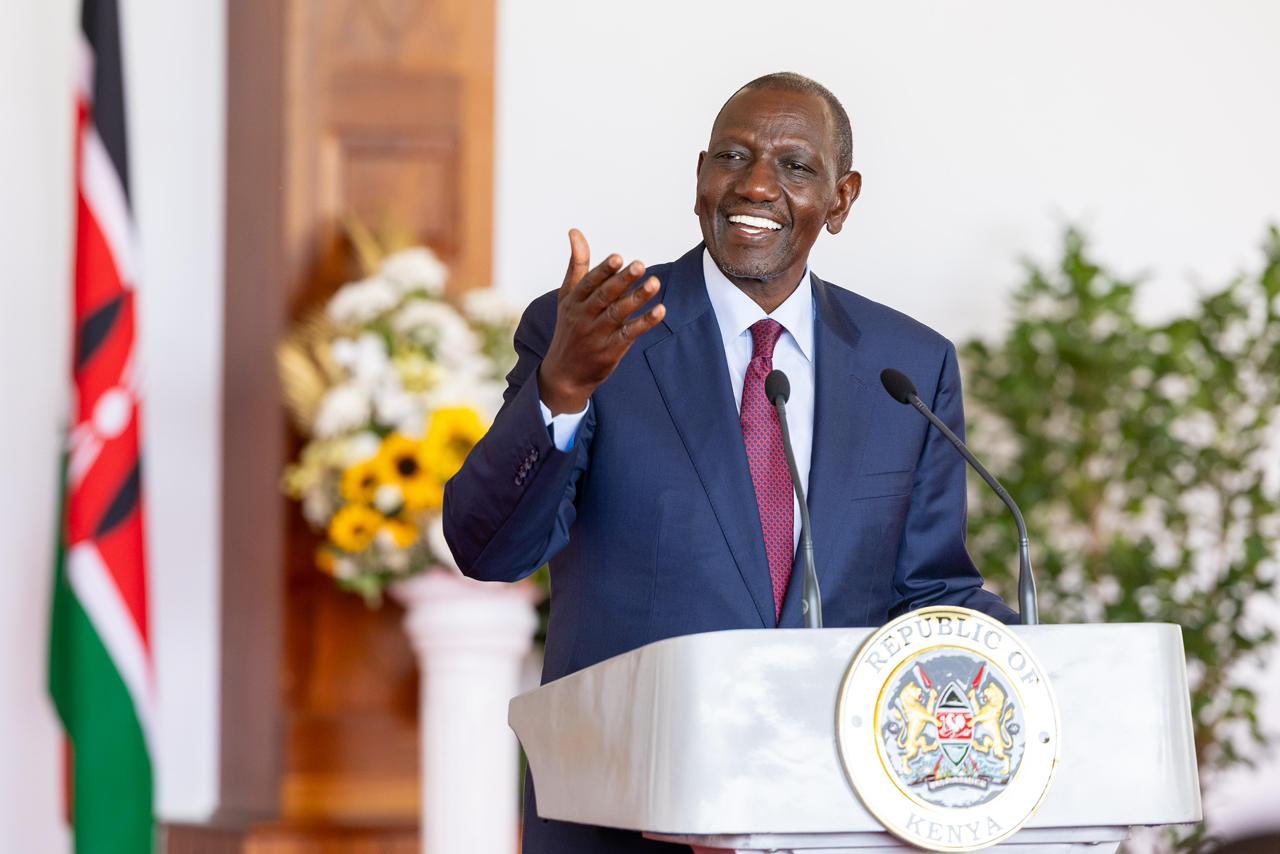
 President William Ruto during a meeting with National Council on the Administration of Justice at State House, Nairobi on March 2 /HANDOUT
President William Ruto has attributed persistent corruption in the traffic department to inefficiencies within the court system, arguing that lengthy procedures for paying legitimate fines are pushing motorists towards bribery.
Ruto said it has become “easy to pay a bribe rather than go to court,” warning that the current system unintentionally incentivises corruption instead of deterring it.
The President said minor traffic offenders often opt to bribe officers because settling a lawful fine can consume an entire day in court.
“If the offence is Sh1,000 and it means you spend a whole day in a courtroom to pay the Sh1,000, that’s how we end up with the challenges that we have,” he said.
According to Ruto, the time and logistical costs associated with court appearances make the legal route unattractive, especially for low-income earners and daily wage workers who cannot afford to lose a day’s income. As a result, some motorists choose to pay bribes on the spot to avoid the inconvenience.
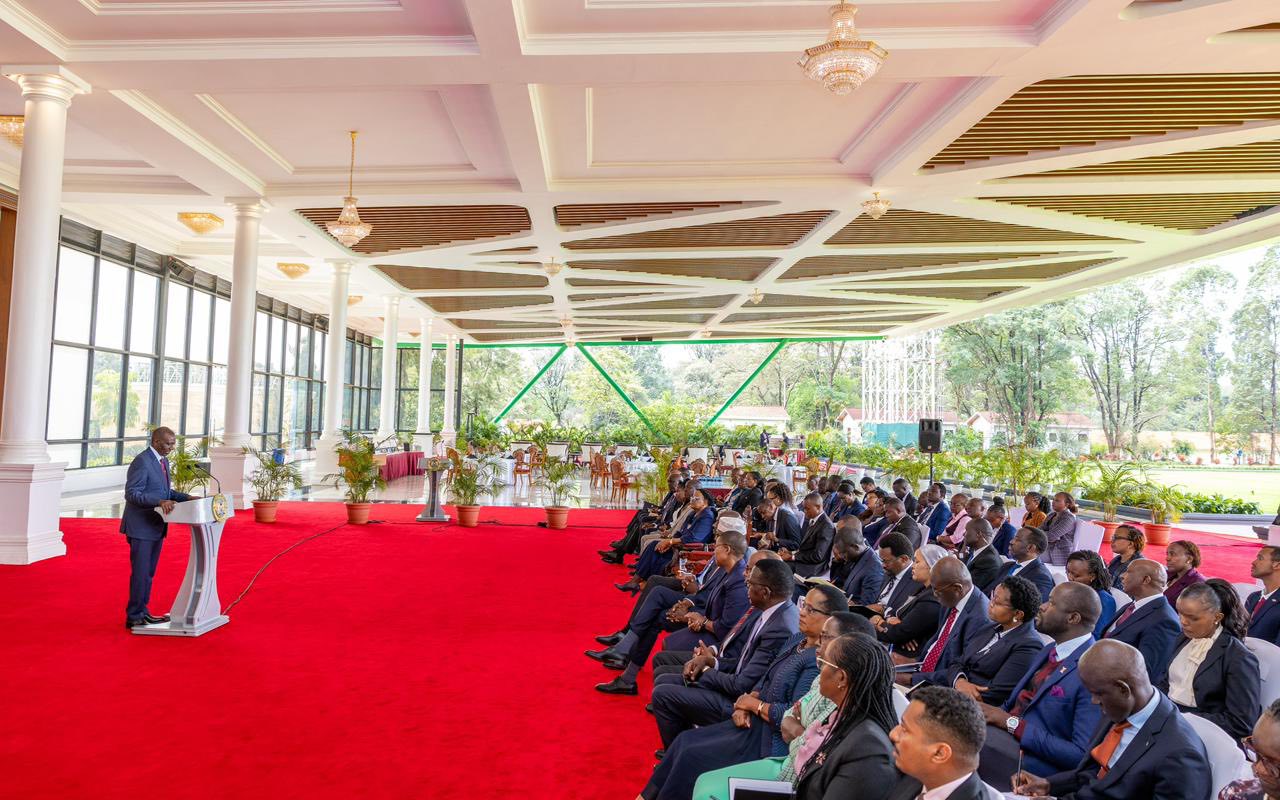 President William Ruto during a meeting with the National Council on the Administration of Justice at State House, Nairobi on March 2 /HANDOUT
He emphasised the need for structural reforms that would make it “much more painful to pay the bribe and much easier to pay the legal fine.” The President suggested that simplifying and expediting the process of settling traffic penalties could significantly reduce opportunities for graft.
Ruto also raised concerns about the motives of some officers seeking placement in the traffic department.
He said there is a long list of officers lobbying to join the unit not necessarily out of commitment to public service, but because of the alleged illicit gains associated with it.
“The Inspector General will tell you he has a long list of people who want to join the traffic department. Not because they are hardworking officers who want to assist us in any manner, but because of what is going on there,” he said.
His remarks point to a broader governance challenge within traffic enforcement, where corruption allegations have persisted for years.
The President’s comments suggest that tackling the vice will require administrative reforms and stricter accountability measures within the police service.
By streamlining court processes and strengthening oversight in traffic operations, the government aims to restore integrity in road law enforcement and reduce everyday corruption that directly affects citizens.
The proposed approach, if implemented, could ease pressure on the courts, enhance compliance with traffic laws and rebuild public trust in enforcement agencies.