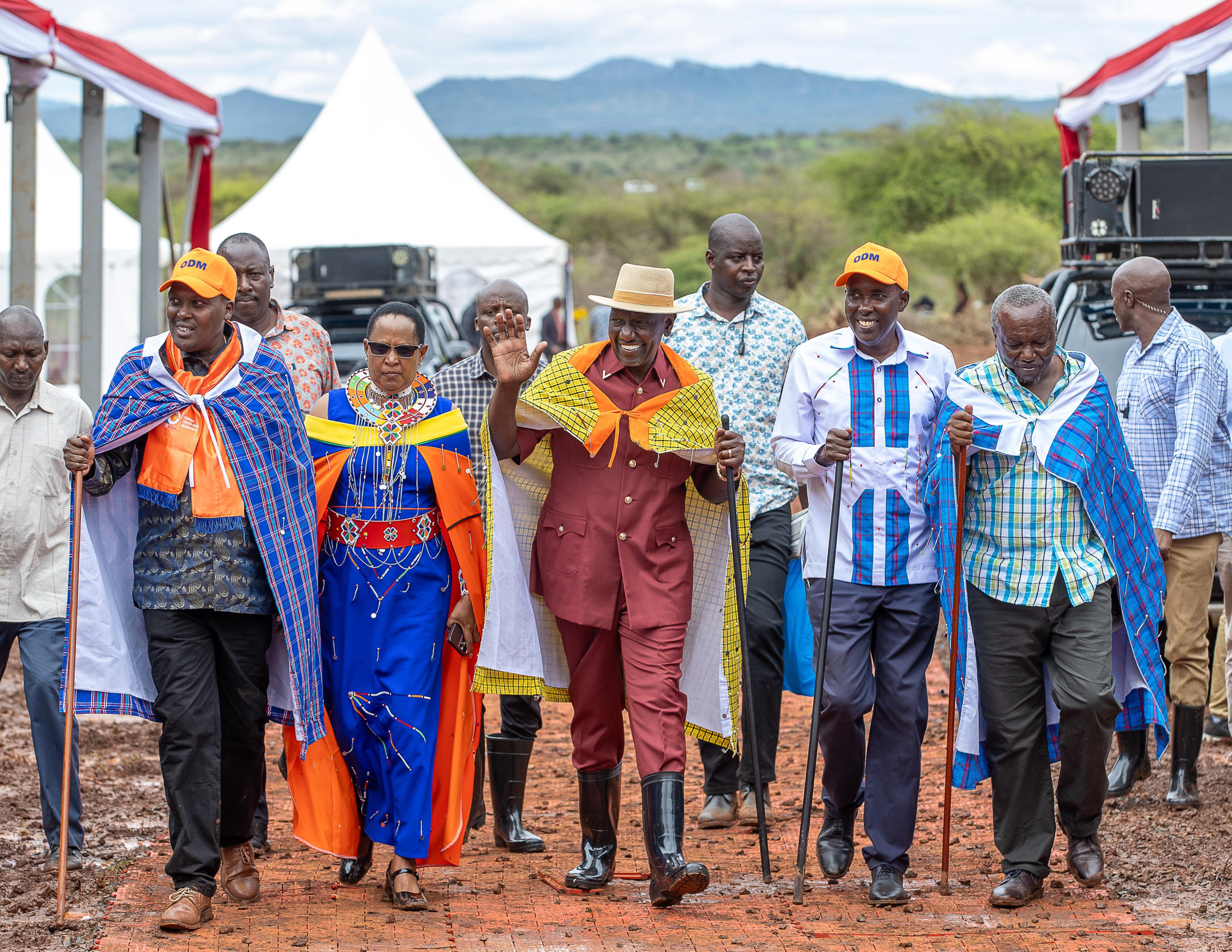
Most governors, senators, members of Parliament and ward representatives remain in his camp, even in restive regions such as Mt Kenya and Western.
They have maintained visible support for the administration in public forums and development engagements.
A huge number of aspirants have also expressed interest in seeking to contest seats using the UDA ticket.
The combination of sitting leaders and new aspirants is likely to influence the political landscape ahead of the polls in his favour as elected leaders often control grassroots networks and mobilise support in their constituencies.
Local leaders are also expected to use development projects in their areas as part of the political messaging around the government’s record.
Projects linked to national programmes often feature prominently in public meetings and are likely to form part of the narrative as political campaigns gather pace.
On the other hand, new aspirants will help in expanding party presence in areas where competition is expected to intensify and incentivise turnout.
In the 2022 election, Ruto relied heavily on alliances with local leaders who sustained his campaign across different regions, particularly in the Mt Kenya region.
Many of those who backed him at the time later became part of the administration or remained closely aligned with the government.
The Mt Kenya region remains central to this political dynamic, a reality the President appeared to align with last weekend.
Amidst the internal fighting among Kiambu county leaders, all elected on the UDA ticket, Ruto urged them to end the squabbles and work together for the people. He noted it is the work each leader will have done that will determine their re-election.
Speaking in Ruiru on Sunday, the President noted that it was ironic that leaders who were fighting against each other were all elected on UDA.
“I will not accept the delivery of work in Kiambu to go wrong when we have been elected as the UDA party from the MCA position all the way to the governor. When the work of UDA is going wrong, where are we? And then we start blaming each other,” he said.
The President still has the majority support of area leaders, other than Senator Karungo wa Thangw’a and Governor Kimani Wamatangi, who has signalled lukewarm engagements with Ruto.
The President has also won back the support of Githunguri MP Gathoni wa Muchomba and Juja’s George Koimburi, who were earlier backing DCP leader Rigathi Gachagua.
While the wider Mt Kenya region has seen increased opposition to the government, most legislators and governors have continued to work with the President.
In Murang’a, the President still prides in the support of the elected leadership save for Senator Joe Nyutu and Gatanga MP Edward Muriu.
In Nyeri, only Mukurweini MP John Kaguchia, Tetu’s Geoffrey Wandeto and Governor Mutahi Kahiga are siding with Gachagua, although the Nyeri governor has signalled support for the President, albeit under certain conditions.
However, the support of elected leaders has also placed them at the centre of opposition attacks. The United Opposition has targeted leaders backing the administration, arguing that public dissatisfaction over economic challenges should translate into political change.
Former DP Rigathi Gachagua has been among those leading the criticism and de-campaigning for pro-Ruto leaders. He has accused some leaders in the Mt Kenya region of betraying voters by supporting the President and has called on residents to reject them at the ballot.
Gachagua sustained the onslaught during the Kisii, Nyamira and Nakuru tours this week, targeting, among others Nyaribari Chache MP Zaheer Jhanda, Governor Sudan Kihika and Senator Tabitha Karanja over their support for Ruto.
The strategy aims to weaken the political base that supports the President ahead of the election.
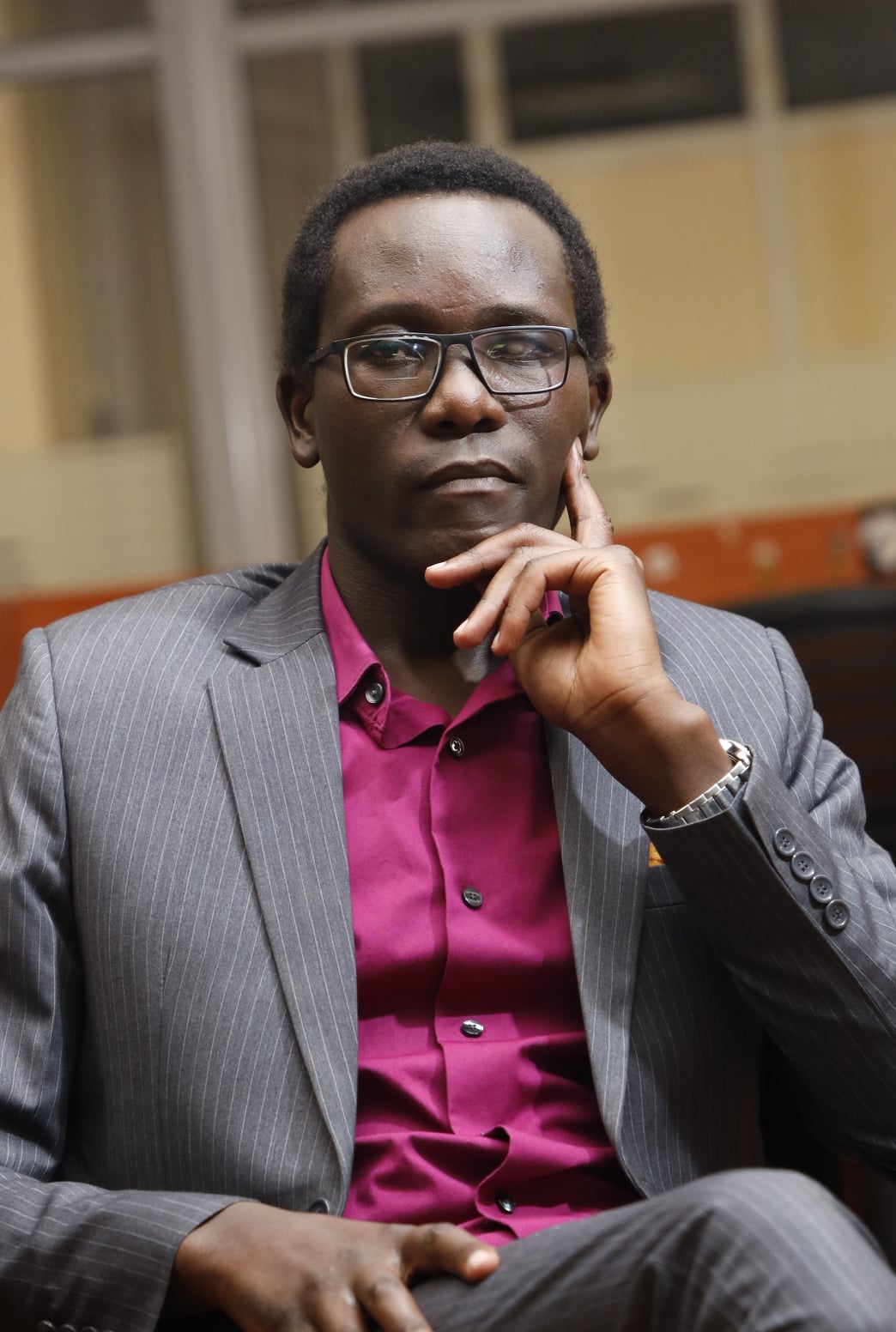
Political analysts opine that while having the support of elected leaders doesn’t equate to having the people’s support, it offers Ruto the human resource and experience to sustain a campaign.
“A politician’s number one objective is survival. And to survive, you will need resources to campaign,” Dr Charles Ng’ang’a says.
“As a ruling party, many MPs will seek to use its cover to seek re-election. As they campaign for themselves, they will also be campaigning for Ruto.”
And at this point, he added, the leaders, particularly MPs, will stick with the government so that they can have something in terms of projects they can use to seek re-election with.
“You have heard Wamuchomba and Koimburi using projects as a reason they went back to supporting Ruto,” Ng’ang’a said.
However, relying on elected leaders might as well be a detriment, other analysts believe.
Dennis Mwangi opines that many of the MPs, particularly in Mt Kenya region, have become unpopular and won’t be re-elected.
“Some of those leaders have read the mood and realised they won’t be re-elected. And it being too late to decamp, they have decided to back the President and make some money and possibly secure some appointive positions in case he is re-elected,” Mwangi said.
During a retreat of lawmakers in Naivasha, National Assembly Speaker Moses Wetang'ula warned members that more than half may not return after the next polls, claiming that about 56 per cent risk losing their seats