A Senate committee has given Nairobi Governor Johnson Sakaja the green light to proceed with the Sh80 billion cooperation agreement with the national government, terming it necessary for the unique needs of the capital.
The Senate’s Devolution and Intergovernmental Relations Committee said Nairobi is not an ordinary county and requires special funding arrangements to match its status and service demands.
Committee chairman Mohamed Abass said the panel supports the deal but directed the governor to incorporate concerns raised by senators before finalising the framework.
“Continue with the agreement but fine-tune it by taking into consideration issues members have raised. Nairobi is not an ordinary county. It needs extra money,” Abass said.
He assured Sakaja of the committee’s backing, adding that the governor has the legal right to enter into cooperation agreements with the national government.
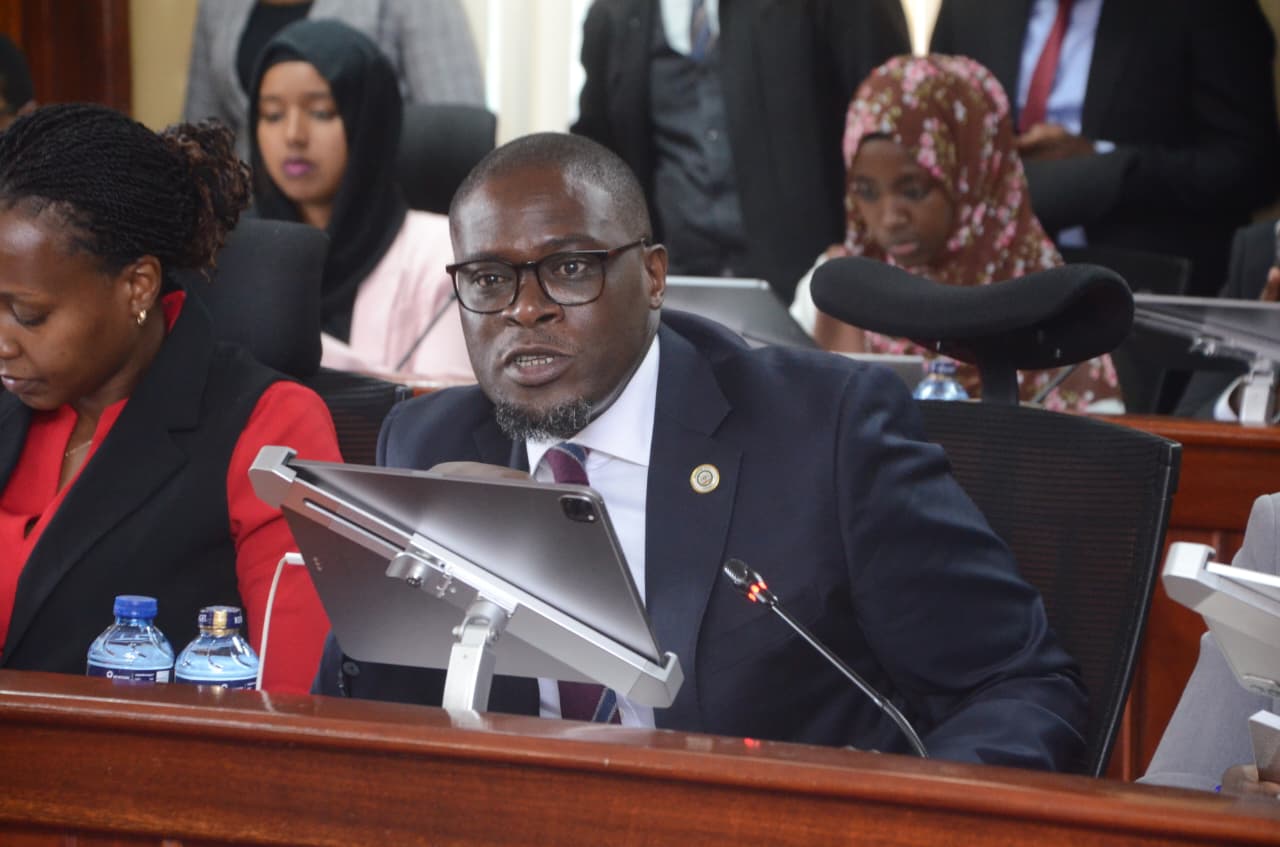
Appearing before the committee on Thursday, Sakaja dismissed claims the agreement amounts to a transfer of county functions to the national government.
He argued the deal is anchored in Article 189 of the Constitution and Section 6 of the Urban Areas and Cities Act, which provide for intergovernmental cooperation.
According to the governor, the arrangement is a long-overdue legal framework aligned with global best practice and aimed at unlocking additional resources for development.
“Nairobi will continue running as a county while the national government comes in with additional resources,” he said.
Sakaja maintained the capital’s current allocation from the Exchequer is insufficient for its growing population and infrastructure needs.
He told senators that most of the county’s share goes to recurrent expenditure, particularly salaries.
“What we receive largely goes to Sh1.5 billion monthly for salaries and Sh200 million to the county assembly. That leaves very little for development,” he said.
The governor argued that Nairobi has been forced to rely heavily on own-source revenue, which cannot sustain a city of its size and economic significance.
To justify the partnership model, Sakaja cited ongoing collaboration with the national government, including the construction of additional classrooms funded with Sh1 billion from President William Ruto’s administration.
He also pointed to the Sh50 billion Nairobi River rehabilitation programme, which involves sewer upgrades and environmental restoration across the city.
“All we want is working capital. I will sign the deal again even tomorrow because this is the best thing for the city,” Sakaja said, adding that he is ready to stake his political career on the agreement.
Despite backing the deal in principle, a section of senators raised sharp concerns over its structure, legality and oversight mechanisms.
Nairobi Senator Edwin Sifuna warned the agreement is riddled with legal landmines and should be suspended until the contentious issues are resolved.
He likened it to the defunct Nairobi Metropolitan Services, which took over key county functions under the previous administration.
“This is an unnecessary creation. It is a misadventure similar to Nairobi Metropolitan Services, which you promised never to entertain again,” Sifuna said.
Nominated Senator Catherine Mumma questioned the composition of the steering and implementation committees, noting that they are dominated by national government officials.
She warned the setup could undermine the functional integrity of the county government.
“The manner in which the committees are structured suggests the national government is making decisions and pushing them to the county for implementation,” she said.
Nominated Senator Margaret Kamar said the agreement is silent on reporting mechanisms and does not clearly define the roles of the Senate and the Nairobi county assembly.
Marsabit Senator Mohamed Chute flagged the absence of a dispute resolution framework, warning the omission could create a governance crisis if disagreements arise.
Kiambu Senator Karungo Thang'wa said while Nairobi deserves more funding, the agreement must be legally watertight.
“We are not opposed to Nairobi getting more money, but the agreement must be properly structured within the law,” he said.
Nominated Senator Hezena Lemaletian criticised the timing of public participation, saying it should have been conducted before the deal was signed.
“It appears the cart was put before the horse. If public views oppose the deal, will there be room to rethink it?” she posed.
In response, Sakaja said funds channelled through the national government will be overseen by the National Assembly, while the Senate will continue to oversee county allocations.
He said public participation is currently being conducted by the Nairobi county assembly across all 17 subcounties.
The governor insisted the agreement does not erode devolution but instead strengthens service delivery through resource sharing and coordinated planning.