 Abdullahı Maalim is a governance and policy expert with 25+ years of experience in public administration, devolution, and institutional reform.
 For years, education in Kenya’s Frontier and ASAL counties has been defined by distance, teacher shortages, fragile infrastructure and the unpredictability of climate and mobility. Yet across these same counties, a quiet but deliberate transformation is unfolding — one that is steadily institutionalising technology within the public education system.
Through the stewardship of the Frontier Counties Development Council (FCDC) and its partnership with the Raspberry Pi Foundation, structured digital learning is now active in 120 schools across 10 ASAL counties, directly reaching more than 73,000 learners in upper primary and junior schools.
Computing is no longer an abstract concept reserved for urban schools; it is becoming part of everyday classroom instruction in Mandera, Turkana, Wajir, Marsabit and beyond.
At the foundational level, the EIDU-supported ECDE digital literacy programme is impacting over 150,000 PP1 and PP2 learners in the same counties.
Early exposure to guided digital content is strengthening literacy, numeracy and cognitive skills at the most formative stage of learning — narrowing gaps before they widen.
Complementing this effort, UNICEF, with support from the European Union and the Lego Foundation, is supporting last-mile school connectivity in eight of these counties.
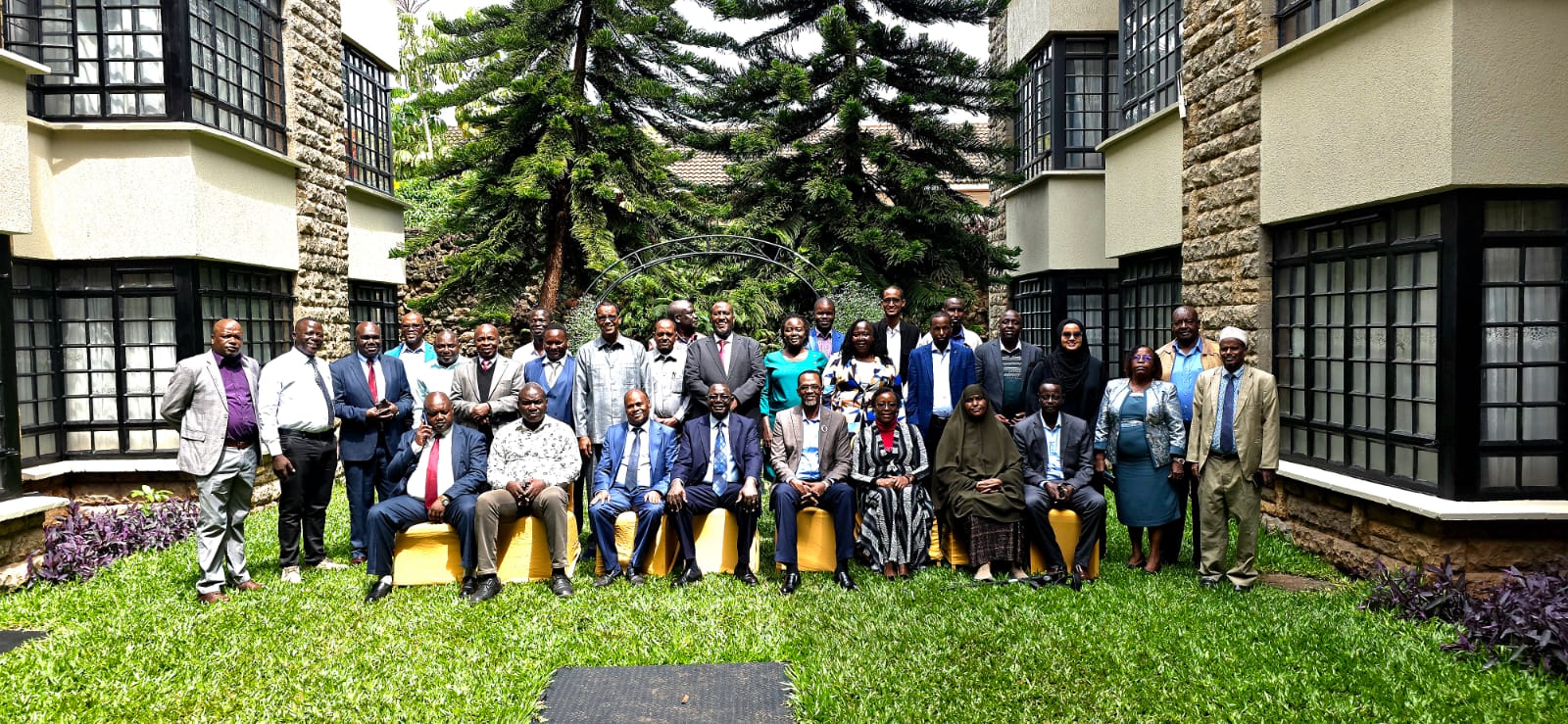
Beyond numbers, the deeper shift lies in institutionalisation. When technology is embedded within county plans, teacher training frameworks and curriculum delivery models, it becomes part of the system — not a pilot project. .
Properly structured, digital content can gradually cushion schools against shocks linked to teacher shortages and infrastructure gaps.
Pre-recorded offline lessons, curated digital content and virtual labs can supplement overstretched teachers, particularly in STEM subjects where qualified personnel are scarce.
In pastoralist and hardship areas where teacher turnover is high, this blended model offers continuity. However, software alone will not close the gap.
The immediate appeal is clear: pair the strong technical and pedagogical support already underway with meaningful infrastructure investment.
Last-mile electricity, reliable internet connectivity and adequate learner devices must move from aspiration to budgeted reality. Without power, connectivity and hardware, digital equity remains incomplete.
The Frontier Counties are demonstrating that geography need not determine destiny. With coordinated partnerships, county ownership and sustained infrastructure financing, digital learning can become the great equaliser — turning once-marginalised classrooms into centres of innovation and resilience.
The writer is a governance and policy expert with 25+ years of experience in public administration, devolution, and institutional reform.