
Maraga’s comments were shared via his official social media channels this week, where he outlined his commitment to fighting corruption at all levels of government and society.
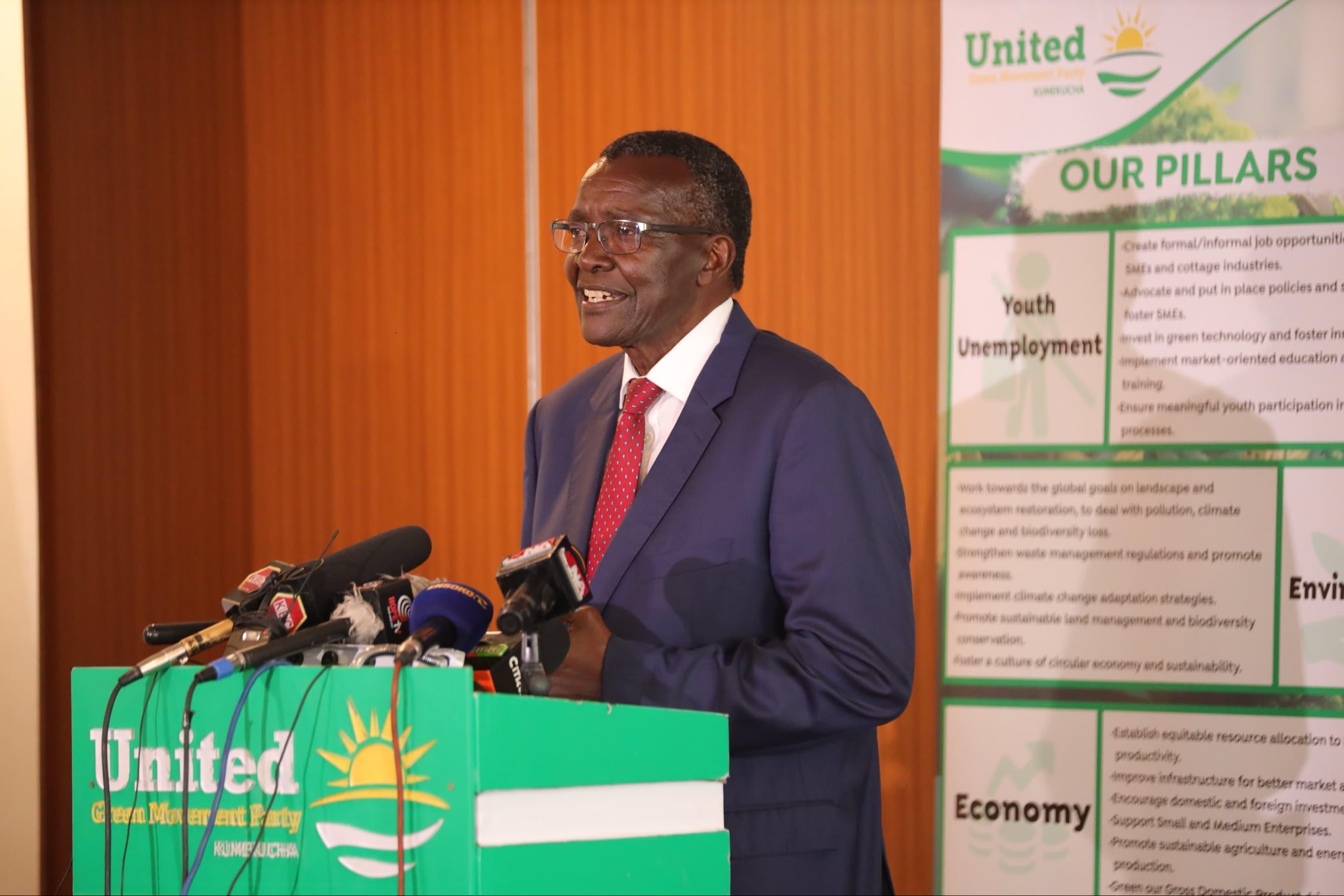
“I will jail even my own family and friends over corruption if I become President,” Maraga stated, underscoring his stance on accountability and rule of law.
A Troubled History with Corruption
Corruption remains one of Kenya’s most persistent governance challenges, affecting public services, economic growth, and public trust in state institutions.
Over the years, successive leaders have pledged to tackle the vice, but many Kenyans argue that loopholes in enforcement and political interference have undermined anti-corruption efforts.
Maraga’s statement, therefore, is being interpreted by some as a refreshing and uncompromising position — particularly because he specifically mentioned that even personal connections would not be shielded from prosecution.
Unwavering Stance on Accountability
The former Chief Justice’s pledge resonates with his legacy in Kenya’s judiciary.
During his tenure at the helm of the Judiciary, Maraga was known for assertive decisions and a willingness to challenge the status quo — notably in upholding the rule of law even in politically sensitive cases.
Also Read: David Maraga's Campaign Website Launch Sparks Mixed Reactions
His recent declaration places accountability at the forefront of his envisioned leadership ethos, asserting that ethical governance must be blind to personal relationships.
“I do not care who it is,” he is quoted as saying in response to questions about whether political pressures might influence his anti-corruption stance.
“Corruption is corruption. No one should be above the law.”
Reaction from Kenyans
The statement has triggered mixed reactions online and in public forums:
Some Kenyans have welcomed Maraga’s bold approach, arguing that strong leadership is needed to dismantle entrenched corruption networks that have stifled national progress.
Others remain sceptical, questioning whether such promises can realistically be enforced once in office — a sentiment rooted in Kenya’s history of campaign pledges that falter in implementation.
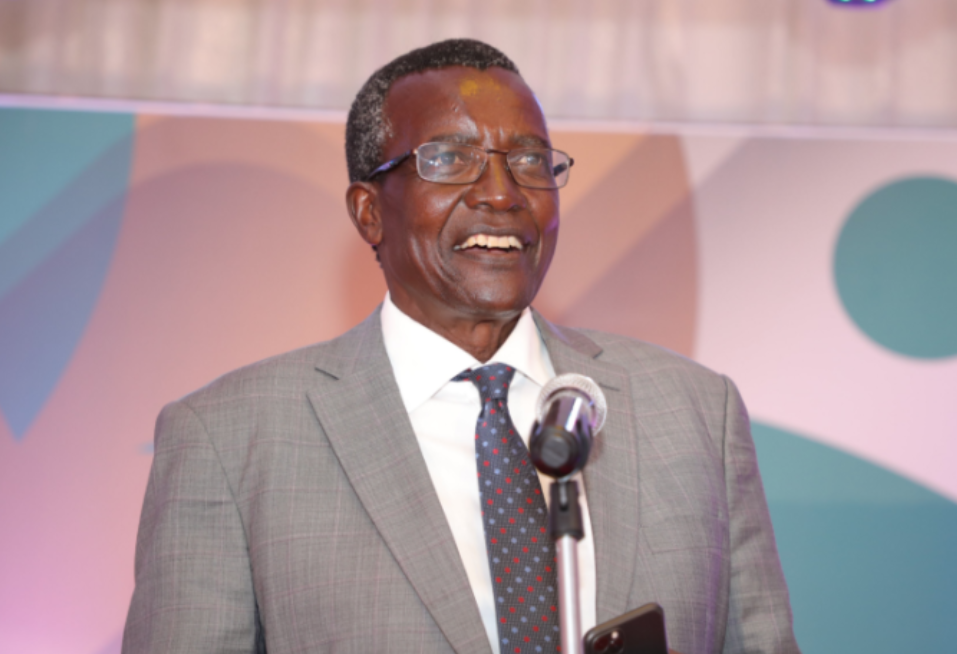
A section of social media users remarked that honesty and accountability are important leadership qualities, but emphasised that the fight against corruption requires systemic reforms — not just high-profile prosecutions.
Political Analysts Weigh In
Political commentators see Maraga’s pledge as strategically significant, particularly as Kenya heads toward future election cycles where corruption is expected to dominate campaign narratives.
Some analysts interpret the statement as Maraga positioning himself as a candidate of integrity and judicial moral authority, contrasting himself with politicians who may be perceived as part of existing political establishment networks.
However, political commentators caution that corruption is deeply rooted in multiple sectors, and combating it would require institutional reforms, independent judicial processes, and political will beyond rhetoric.
The Broader Fight Against Corruption
Maraga’s promise taps into broader public frustration over corruption in Kenya — from allegations of graft in public procurement and revenue agencies to mismanagement of public funds in county governments.
For many Kenyans, meaningful anti-corruption measures include:
Strengthening the independence of anti-corruption institutions
Protecting whistleblowers
Transparent oversight mechanisms in public finance
Depoliticising prosecution processes
Whether Maraga’s pledge signals a transformational leadership agenda or becomes another campaign talking point remains to be seen.
What is clear, however, is that his call for accountability — “even if it means prosecuting my own family and friends” — has struck a powerful chord in Kenya’s ongoing conversation on corruption and governance.

Comments 0
Sign in to join the conversation
Sign In Create AccountNo comments yet. Be the first to share your thoughts!