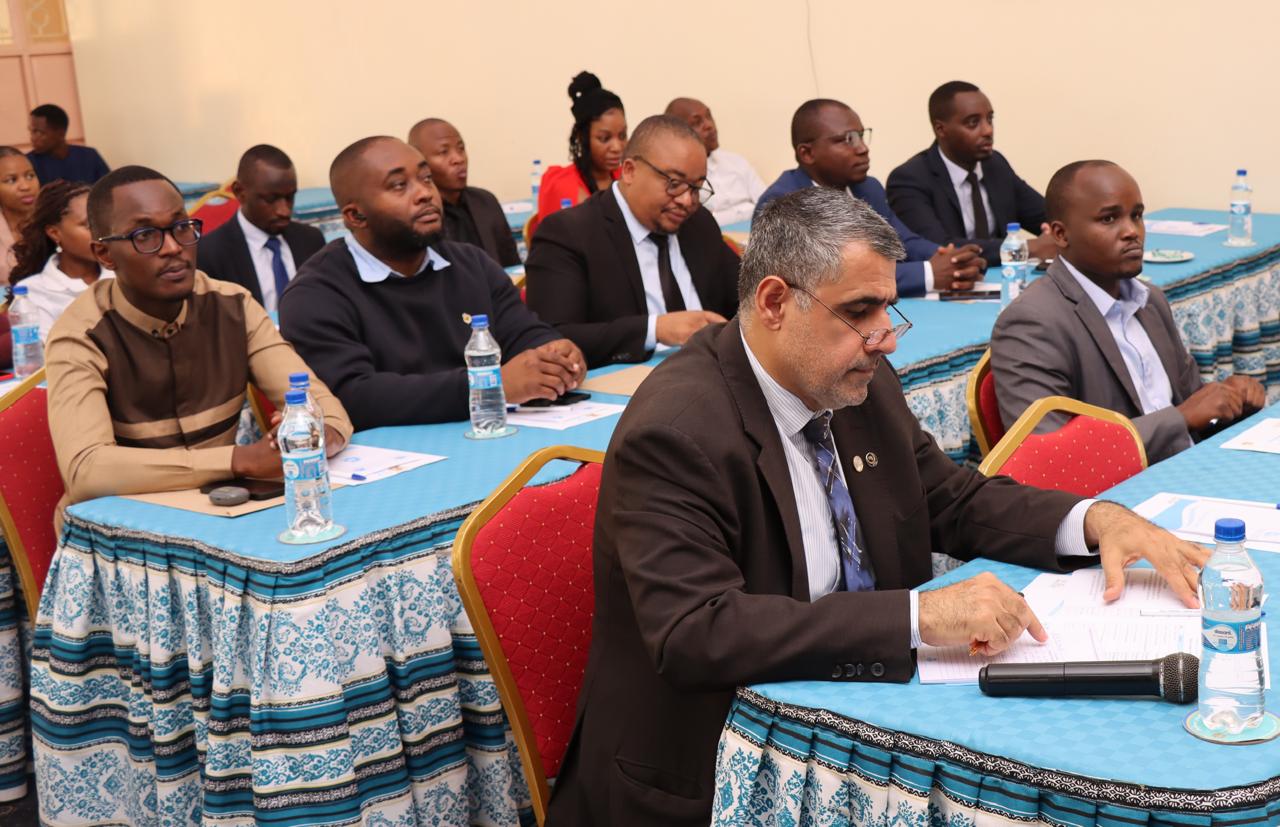
Twenty eight nuclear and radiation protection experts from 15 countries have completed a high-level regional post-graduate training at Kenyatta University.
They were awarded certificates on Thursday at an elaborate event graced by Kenya Nuclear Regulatory Authority (KNRA) officials and senior members of the academia.
The programme, which Kenya first hosted in 2023, was facilitated by the International Atomic Energy Agency (IAEA) in partnership with KNRA, the university and other local organisations.
As per the IAEA’s standard syllabus, the course equips participants with critical skills in radiation protection, regulatory policy development, and the safe use of radioactive sources.
According to the agency, the five to six-month radiation, transport and waste safety training targets graduates in physics, chemistry, life sciences or engineering who have practical experience in radiation protection and the safe use of radiation sources.
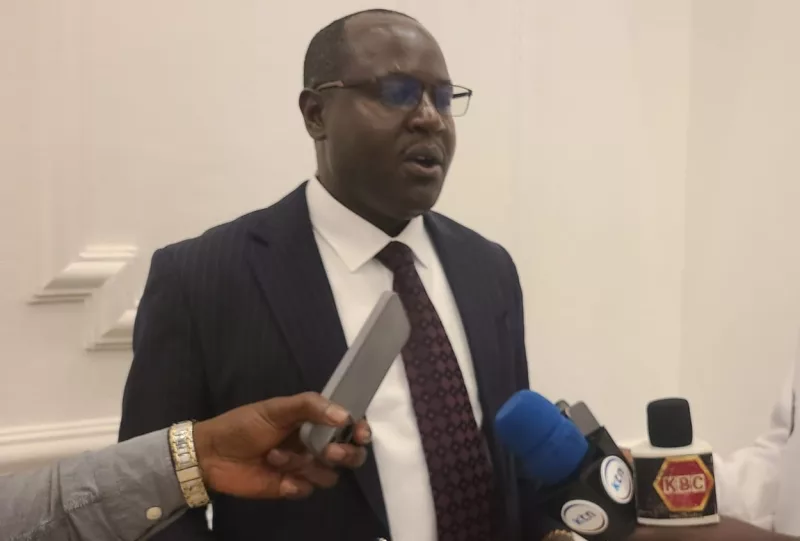
While calling for collaboration across sectors, countries and regions in the era of globalisation, KNRA director general James Keter said: “The government firmly supports efforts aimed at engaging stakeholders in a unified global approach to safety and security.”
“We are happy that this programme is gaining momentum at a crucial time when KNRA and other regulatory authorities across the region are reviewing and reinforcing regulatory frameworks to keep pace with emerging challenges.”
At the same time, the director general said while nuclear technology and radioactive materials offer immense socio-economic benefits, they also pose serious risks if they fall outside regulatory control, potentially threatening public safety and security.
Speaking on behalf of Kenyatta University vice-chancellor John Okumu, Dr Evans Changamu, the Dean of the School of Pure and Applied Sciences, said the IAEA-led course reflects the strength of partnerships in advancing research and regulatory excellence.
“Kenyatta University is proud to have partnered with KNRA and the IAEA. It demonstrates our commitment to research and regulatory excellence,” he said.
Isaac Mundia, who’s the director of Nuclear Security at the regulator, said the high-level practical-oriented post-graduate course was ‘getting better by the day’, building on experiences from the first cohort in 2023.
The forum was addressed remotely by Gashaw Wolde, the acting director, Division for Africa, Technical Cooperation at the IAEA. Also present were course coordinators, Prof Nadir Hashim of Kenyatta University, Mundia and the authority’s compliance director John Opar.
Course participant Christine Edna Emong from the Uganda Atomic Energy Council termed the course an eye-opener. “The programme is one of a kind. We are returning to our countries well equipped with knowledge and more professional networks,” she said.
Other than Kenya, South Africa and Ghana have been hosting the course on a rotational basis for African English-speaking countries. The IAEA, which is a United Nations affiliate, runs other capacity-building initiatives, including an Internet Reactor Laboratory that allows students from Kenya, Tanzania, Tunisia and South Africa to access facilities of a research reactor in Morocco for nuclear education and practical training.