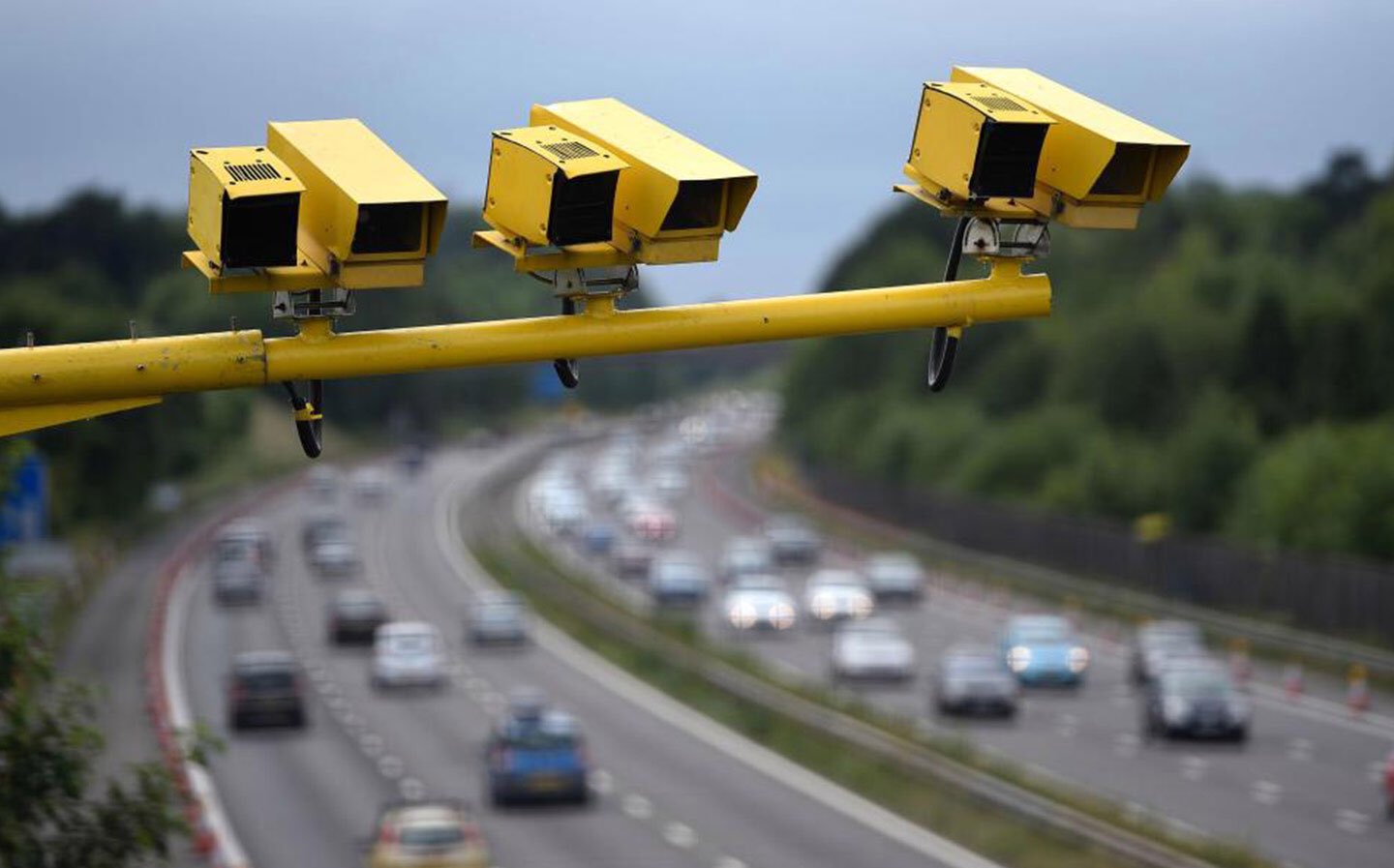
Motorists across the country should prepare for stricter traffic enforcement after the National Transport and Safety Authority (NTSA) announced plans to install 1,000 speed enforcement cameras and roll out a nationwide instant digital fines system.
The initiative, disclosed in a public notice dated February 24, 2026, forms part of a Sh42 billion Public-Private Partnership (PPP) between NTSA, KCB Bank Kenya Limited and Pesa Print Limited aimed at strengthening road safety through technology-driven enforcement.
Under the project, NTSA will deploy 700 stationary speed cameras along major highways and high-risk road sections, alongside 300 mobile speed cameras that will be used for targeted operations and spot enforcement.
The camera network will be linked to a National Command and Control Centre to enable real-time monitoring of traffic violations, automated detection of offences and immediate issuance of penalties.
The authority said the system is designed to address weak enforcement and road indiscipline, “which have contributed to a steady rise in traffic deaths.”
According to NTSA statistics, road fatalities increased from 3,875 in 2019 to more than 5,100 in 2024.
Beyond the human toll, road crashes cost the country an estimated Sh450 billion annually in medical expenses, lost productivity and property damage, about five per cent of Kenya’s Gross Domestic Product.
NTSA said the new enforcement framework will introduce instant fines for minor traffic offences as provided under the Traffic (Minor Offences) Rules, 2016.
Once a violation is captured by the automated system or recorded by enforcement officers, the offender will receive a notification through digital channels, including SMS and mobile platforms.
Payments will be integrated into a digital ecosystem supporting mobile money, USSD and banking channels, allowing motorists to settle fines quickly without visiting police stations or courts.
The system will also be linked to a Mobile Driving Licence (MDL) wallet, enabling drivers to view their offence history, fine status and compliance record in real time.
A key feature of the platform is the introduction of a driver merit and demerit points system that will track repeat offenders and support long-term behavioural change.
NTSA says the automated enforcement approach is expected to reduce corruption by limiting direct contact between motorists and enforcement officers while improving transparency and accountability.
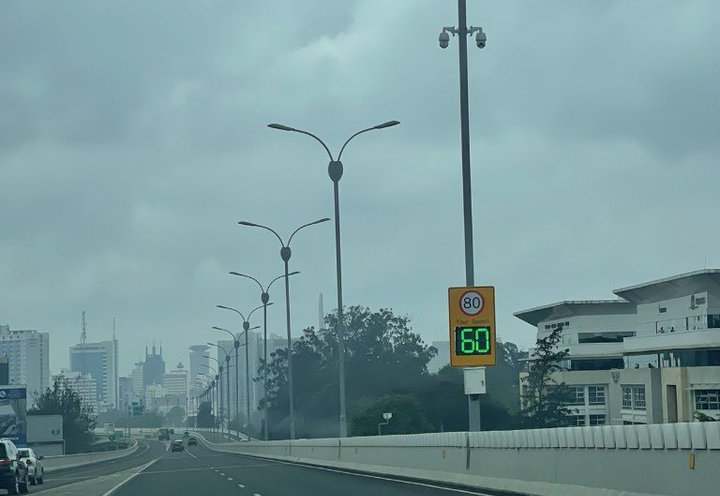
The cameras will primarily target speeding, one of the leading causes of fatal crashes.
Under the Traffic (Minor Offences) Rules, 2016, motorists exceeding the speed limit by 6 to 10 kilometres per hour face a Sh500 fine, while those exceeding by 11 to 15 kilometres per hour pay Sh3,000.
Driving 16 to 20 kilometres per hour above the limit attracts a Sh10,000 penalty.
The same penalties apply in 50 kph zones or where traffic signs prescribe lower limits.
Other offences that will attract instant fines include driving without number plates or with improperly fixed plates (Sh10,000), operating a vehicle without a valid inspection certificate (Sh10,000), driving without the appropriate licence endorsement (Sh3,000) and failure to renew, carry or produce a driving licence (Sh1,000).
Public service vehicle (PSV) operations carry a wide range of penalties aimed at enforcing discipline among drivers, conductors and operators.
Driving a PSV while unqualified will attract a Sh5,000 fine, while owners who employ unlicensed drivers or conductors face a Sh10,000 penalty.
An unauthorised person found driving a PSV, or a driver who allows such an individual to take control, will each be fined Sh3,000.
Operational conduct is also regulated, with failure to wear the prescribed PSV badge and uniform attracting a Sh2,000 fine.
Picking up or dropping off passengers outside designated stages will cost Sh3,000, while passengers who board or alight at unauthorised points risk a Sh1,000 penalty.
Other violations include failure to refund fare for an incomplete journey and touting, each attracting a Sh3,000 fine.
Motorcycle and general road user safety has also been tightened.
Carrying more than one pillion passenger, riding without protective gear or travelling with any part of the body outside a moving vehicle will each attract a Sh1,000 penalty.
The rules further target traffic obedience and dangerous driving.
Motorists who fail to obey a police officer’s directions or ignore traffic signs will be fined Sh3,000, while failure to stop when required by police attracts a Sh5,000 penalty.
Using a mobile phone while driving will cost Sh2,000.
Strict action will also be taken against road obstruction and unsafe conduct.
Causing obstruction on the road carries a Sh10,000 fine, while failure to place reflective triangles or lifesavers during a breakdown will attract Sh3,000.
Driving on pavements, footpaths, or pedestrian walkways will cost Sh5,000, while pedestrians who obstruct vehicles risk a Sh500 penalty.
Vehicle safety requirements form another key area of enforcement. Learner drivers who fail to display ‘L’ plates will be fined Sh1,000.
Lack of seat belts attracts a Sh1,000 penalty per seat, while failure to wear a seat belt carries a Sh500 fine.
PSV conductors who fail to ensure seat belts are maintained will also be fined Sh500.
Commercial and public transport vehicles must meet additional safety standards. Operating without reflective warning signs will attract a Sh2,000 fine, while PSVs or commercial vehicles without speed governors face a Sh10,000 penalty.
PSVs fitted with tinted windows contrary to regulations will be fined Sh3,000, and those operating without a fire extinguisher or fire kit will pay Sh2,000.
In addition, any unlicensed person found acting as a PSV driver or conductor will be fined Sh5,000, reinforcing the requirement for proper qualification and authorisation in the public transport sector.
NTSA said the instant fines framework is expected to decongest courts by allowing minor offences to be resolved administratively while enabling the police and judiciary to focus on serious traffic violations and accident-related cases.
The authority noted that the project will also improve revenue collection efficiency and enhance compliance monitoring through integrated data systems.
Under the PPP arrangement, Pesa Print will be responsible for system connectivity, infrastructure maintenance and operational monitoring of the camera network, while NTSA will retain the enforcement mandate.
Data storage and system security will be jointly managed by NTSA and the private partner.
Bulk notifications to offenders will be sent through a system managed jointly by NTSA and the consortium.
The project, which will run for 21 years, was approved by the Cabinet in December 2025 after receiving clearance from the Attorney General and the PPP Committee at the National Treasury.
NTSA said the camera and instant fines infrastructure will ultimately be transferred to the authority at the end of the contract period.
The initiative targets all road users, including private motorists, matatu operators, boda boda riders and commercial drivers, with the government expecting the technology-driven enforcement to restore discipline, reduce crashes and improve safety on Kenya’s roads.
Through the new system, authorities hope to shift traffic management from manual policing to continuous, technology-based oversight, signalling a new era of automated enforcement and accountability for road users nationwide