The Kenya Wildlife Service has issued a warning over the dangers of bushmeat consumption following a major seizure in Gikambura, Kiambu County.
KWS said the illegal bushmeat trade is on the rise, exposing unsuspecting Kenyans to serious public health, safety and legal risks.
In a statement on Wednesday, KWS cautioned that beyond being a wildlife crime, the handling, sale and consumption of bushmeat can endanger human health due to the absence of regulated veterinary controls.
The warning follows an intelligence-led operation conducted by KWS officers working within a multi-agency team targeting suspected bushmeat activities in Gikambura, with follow-up enforcement carried out at Dagoretti Market in Nairobi County.
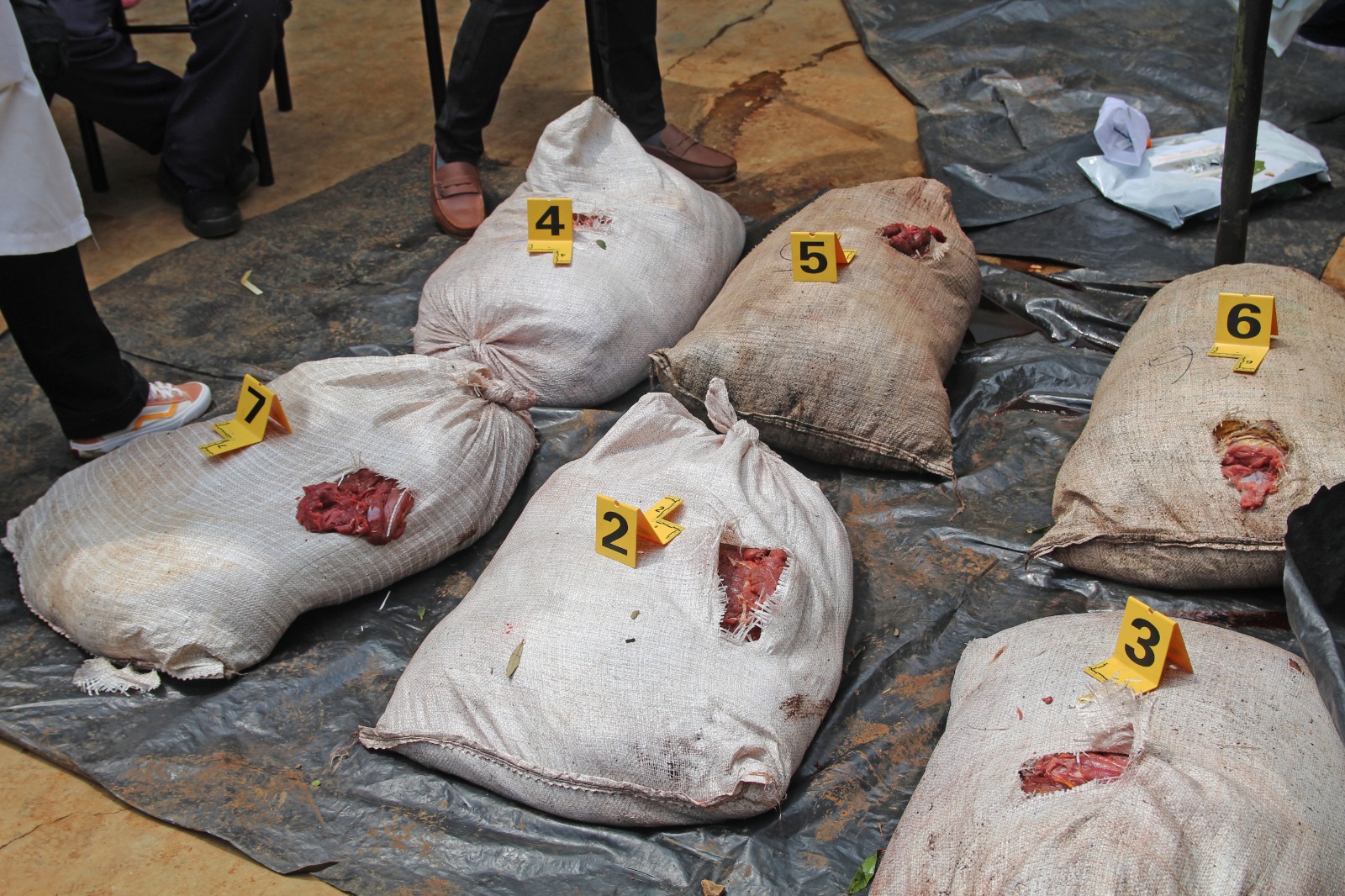
During the raid, officers recovered six sacks of suspected de-boned zebra meat, one fully skinned zebra carcass and fifteen frozen meat packages weighing about 250 grams each.
The total consignment is estimated at approximately 2,000 kilograms, in addition to 7.5 kilograms of packaged frozen meat.
KWS said four suspects were arrested in connection with the haul, and investigations are ongoing.
The Society said Kenyan law prohibits the killing, possession, transportation or trade in wildlife without lawful authority under the Wildlife Conservation and Management Act (Cap 376).
The agency also cited Section 131(2) of the Public Health Act (Cap 242), which bans the sale or distribution of uninspected meat intended for human consumption.
The agency warned that bushmeat handled outside regulated veterinary systems exposes handlers and consumers to zoonotic diseases through unsafe slaughter, handling, storage and preparation.
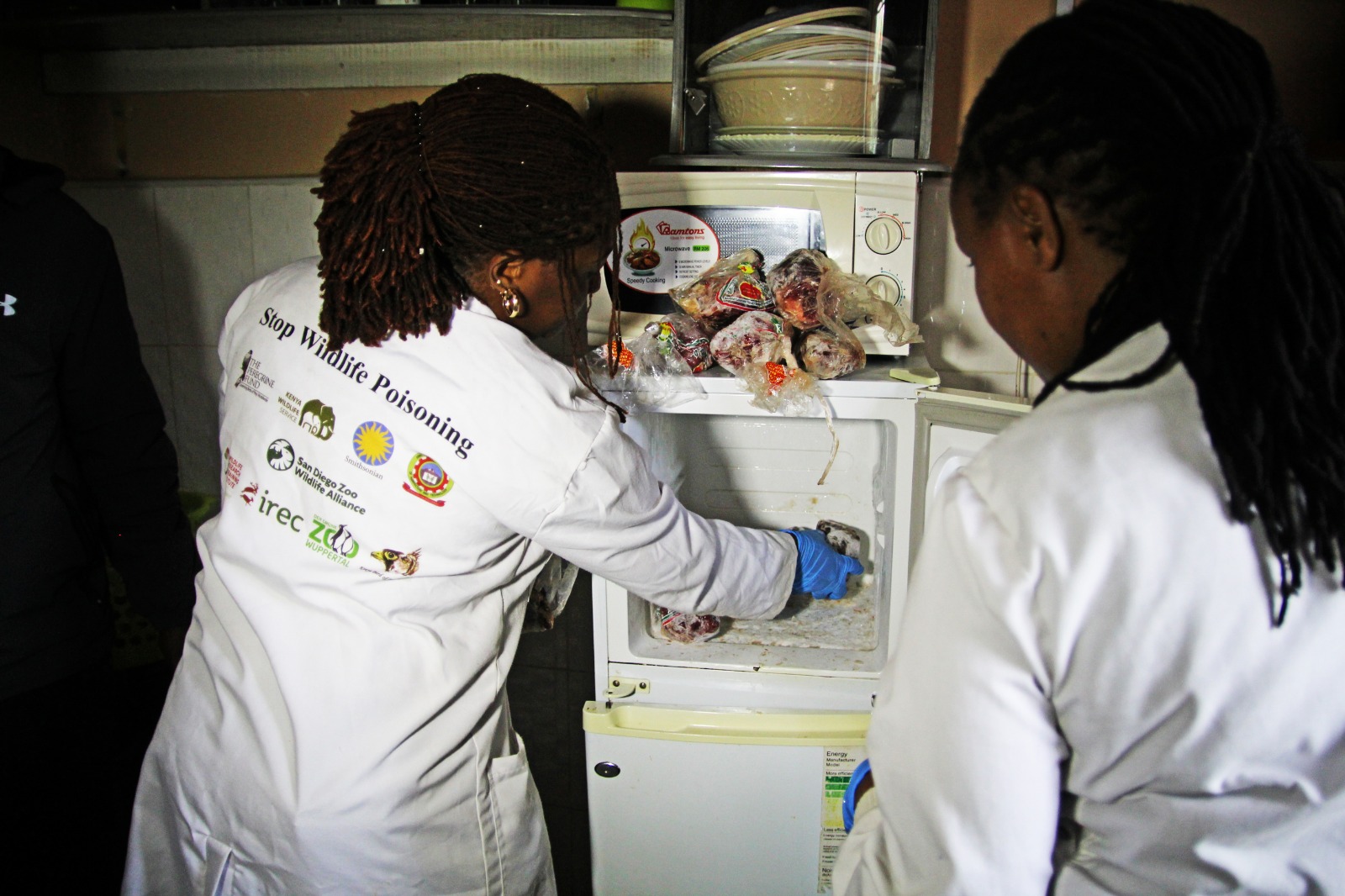 Kenya Wildlife Society recovers Zebra meat in Kiambu / KWS X
Unlike licensed meat, the product lacks inspection, hygiene standards and proper cold-chain management.
Because bushmeat is handled in informal and often hidden supply chains, there is no guarantee of species identification, freshness or proper storage.
Consumers may unknowingly eat spoiled or contaminated meat, leading to food poisoning and other serious illnesses.
The illegal
bushmeat trade contributes to wildlife depletion, disrupts ecosystems and threatens endangered species. Kenyan law treats this as a serious conservation offence because it undermines national and global biodiversity commitments.KWS has urged Kenyans to remain vigilant and report wildlife poaching or illegal bushmeat activities through its official reporting channels.