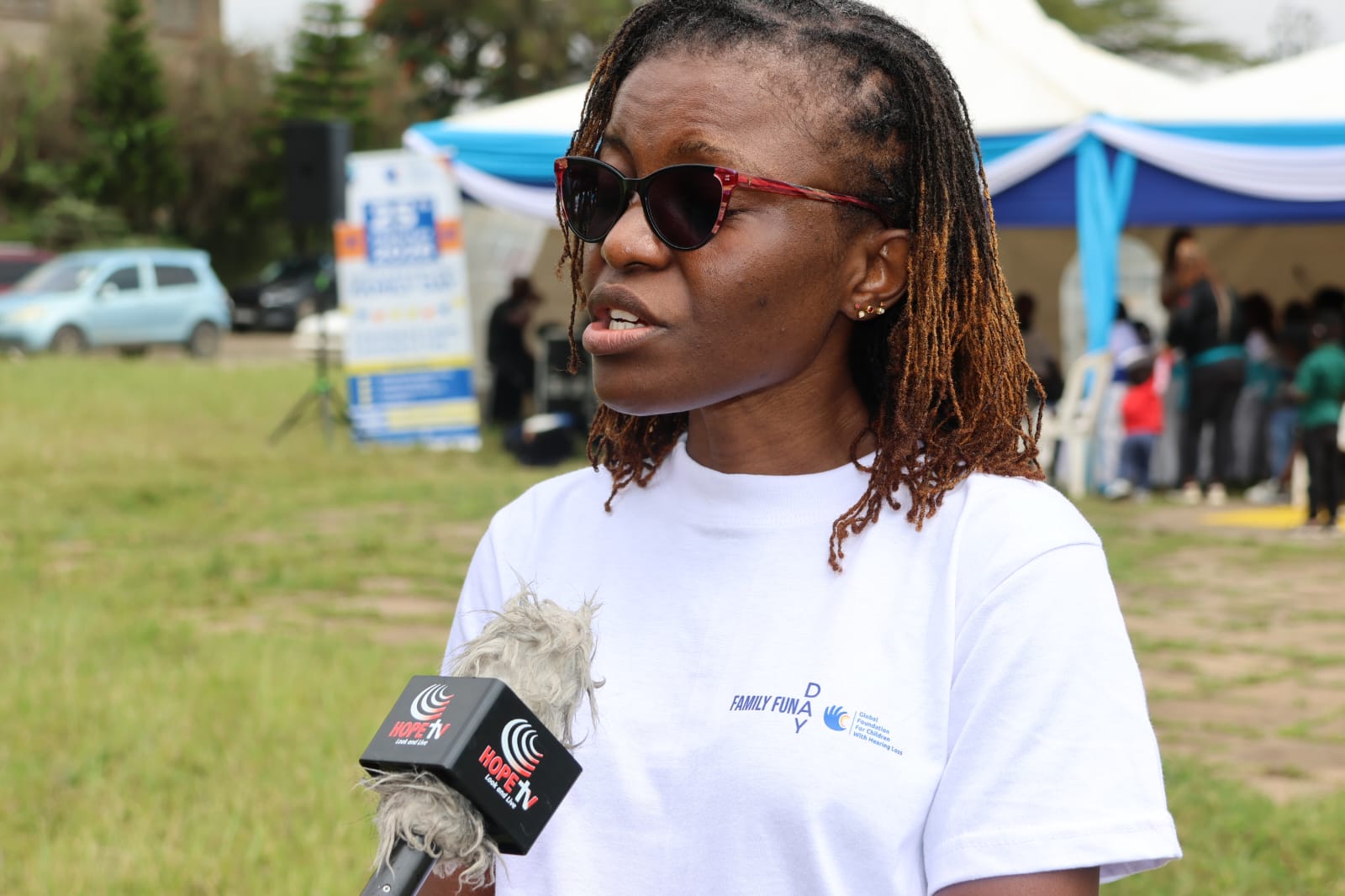
 Elaine
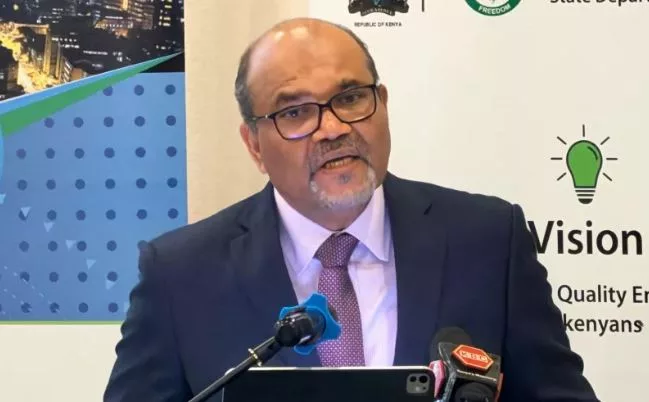
Yuko, an ear, nose and throat surgeon at KNH, during a press briefing on February 25, 2026. /TIMON OTIENO
Elaine
Yuko, an ear, nose and throat surgeon at KNH, during a press briefing on February 25, 2026. /TIMON OTIENOKenyatta National Hospital (KNH) has pledged to finance rehabilitation services for 50 children who recently underwent cochlear implant surgery.
The initiative offers renewed hope to families and marks a major step in restoring hearing among children with profound hearing loss.
The commitment started early January this year following a major surgical initiative in November 2025, where the children received cochlear implants donated by Morocco’s Princess Lalla Asmaa Foundation. The surgeries were successfully conducted at the hospital, paving the way for the next critical phase that is rehabilitation.
Elaine Yuko, an ear, nose and throat surgeon at KNH, said that, while the implants were donated and surgeries covered, the hospital has stepped in to ensure the children complete the recovery journey.
“Lala Asmaagave the donation of the implants,and the surgeries were paid for under SHA. Now for the rehabilitation, Kenyatta National Hospital has had to take care of that cost for now. This is a special situation where the hospital has decided to take care of the cost of rehabilitative services,” said Yuko.
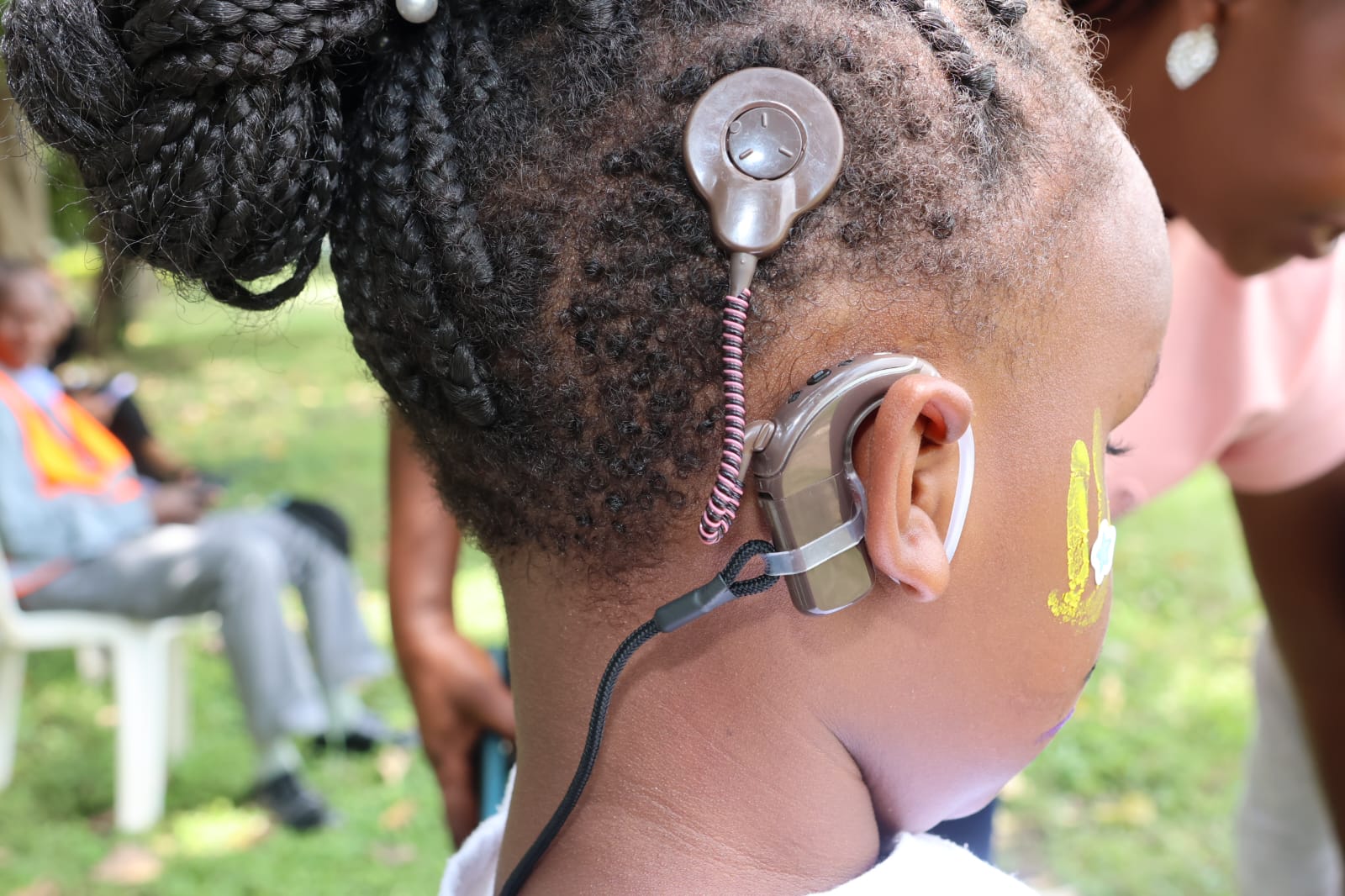 A cochlear implant put on a child to aid in hearing. /TIMON OTIENO
A cochlear implant is a surgically placed electronic device that enables children with severe hearing loss to perceive sound. The procedure involves inserting an electrode into the inner ear, which transmits sound signals directly to the brain.
“The device is implanted through surgery where we drill the bone and place an electrode that connects to the cochlear and transmits sound to the brain,” Dr Yuko explained.
“Another part is placed under the skin with a magnet, which communicates with an external device worn outside. This is what allows the children to hear.”
However, hearing does not begin immediately after surgery. Doctors must first allow time for healing before activating the device.
“In January, in collaboration with the cochlear company, we had the devices switched on and began the calibration process,” she said. “When it is switched on, you observe whether the child responds to sound and then begin teaching them what those sounds mean.”
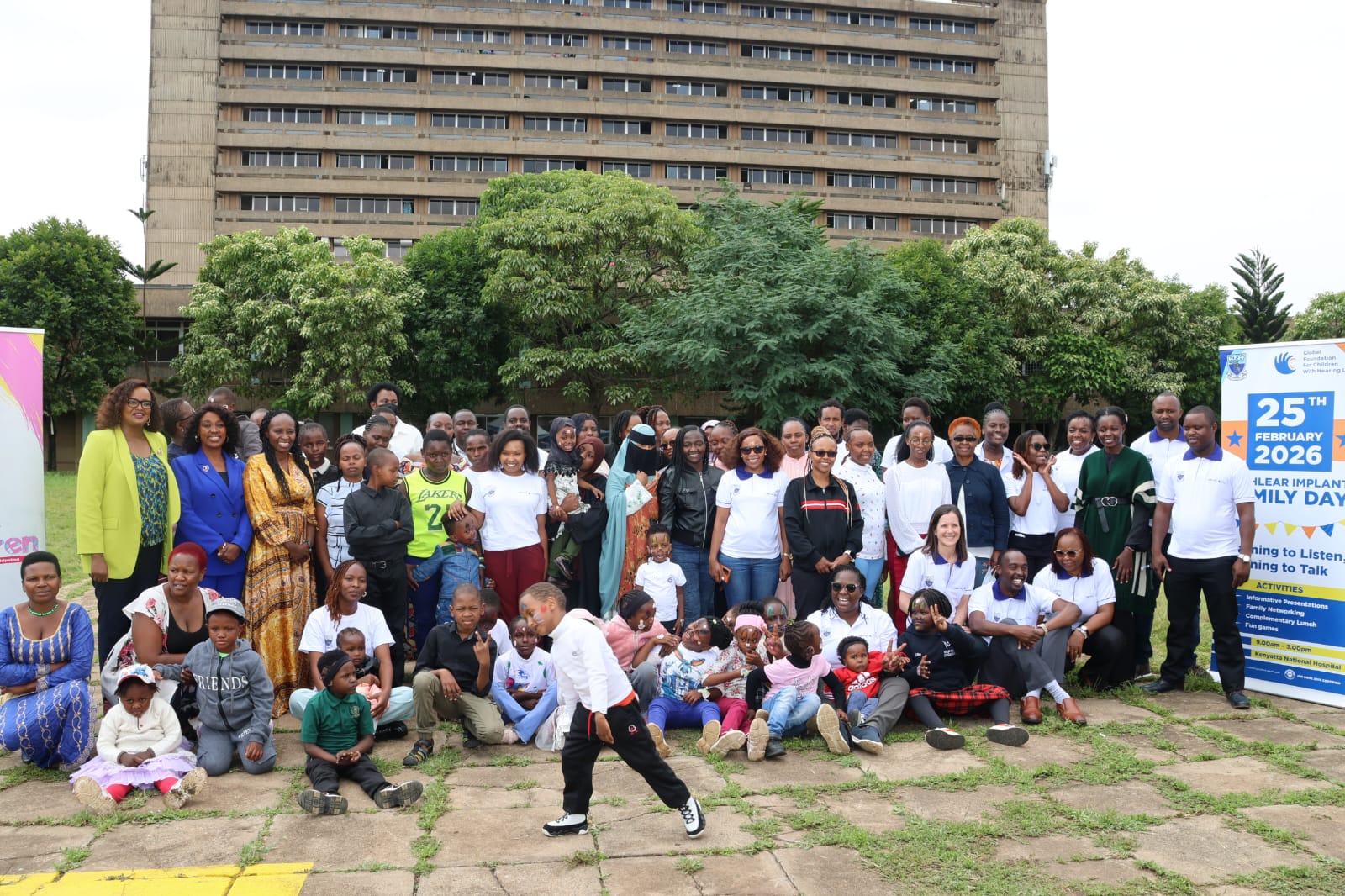 Cochlear implant beneficiaries pose for a photo with local and international partners during International Cochlear Implant Day on February 25, 2026. /TIMON OTIENO
Following activation, the children must undergo speech therapy, which is a key part of rehabilitation and can last up to a year or longer.
“In speech therapy, they are learning how to speak again,” she said. “Those who had lost hearing after learning to speak progress faster, but those who never learned speech must start from the beginning, and that can take quite a while.”
The hospital’s decision to fund rehabilitation ensures the children receive the consistent therapy needed to develop listening and speaking skills.
Yuko saidthat rehabilitation is as important as the surgery itself, as it trains the brain to interpret sound and develop language.
For the 50 children and their families, the support from Kenyatta National Hospital represents not just access to sound but the chance to communicate, learn and live more independent lives.
![Africa CDC Director General Dr Jean Kaseya at a past event. [Photo: Arthur Mbuguah, WHM]](https://cdn.radioafrica.digital/image/2026/10/8ced213c-affb-4dff-97ca-1b6bac1f958e.webp)