Leaders in Kisumu are optimistic that the planned extension of the Standard Gauge Railway (SGR) from Naivasha to Malaba will unlock fresh economic opportunities and accelerate growth across the western region.
Kisumu Governor Anyang Nyong'o said the Sh600 billion project has the potential to fundamentally reshape the regional economy by improving connectivity and lowering the cost of doing business.
“It will recalibrate trade, enhance efficiency, reduce logistics costs and revitalise value chains in this region for decades,” Nyong’o said Tuesday during a consultative forum held in Kisumu City.
Muhoroni MP Onyango K'Oyoo backed the governor’s remarks, describing the railway as a critical investment that will spur economic activity and create employment opportunities.
“We are excited about this project and will give it all the necessary support,” K’Oyoo said, while urging that local residents be prioritised in job opportunities arising from construction and related works.
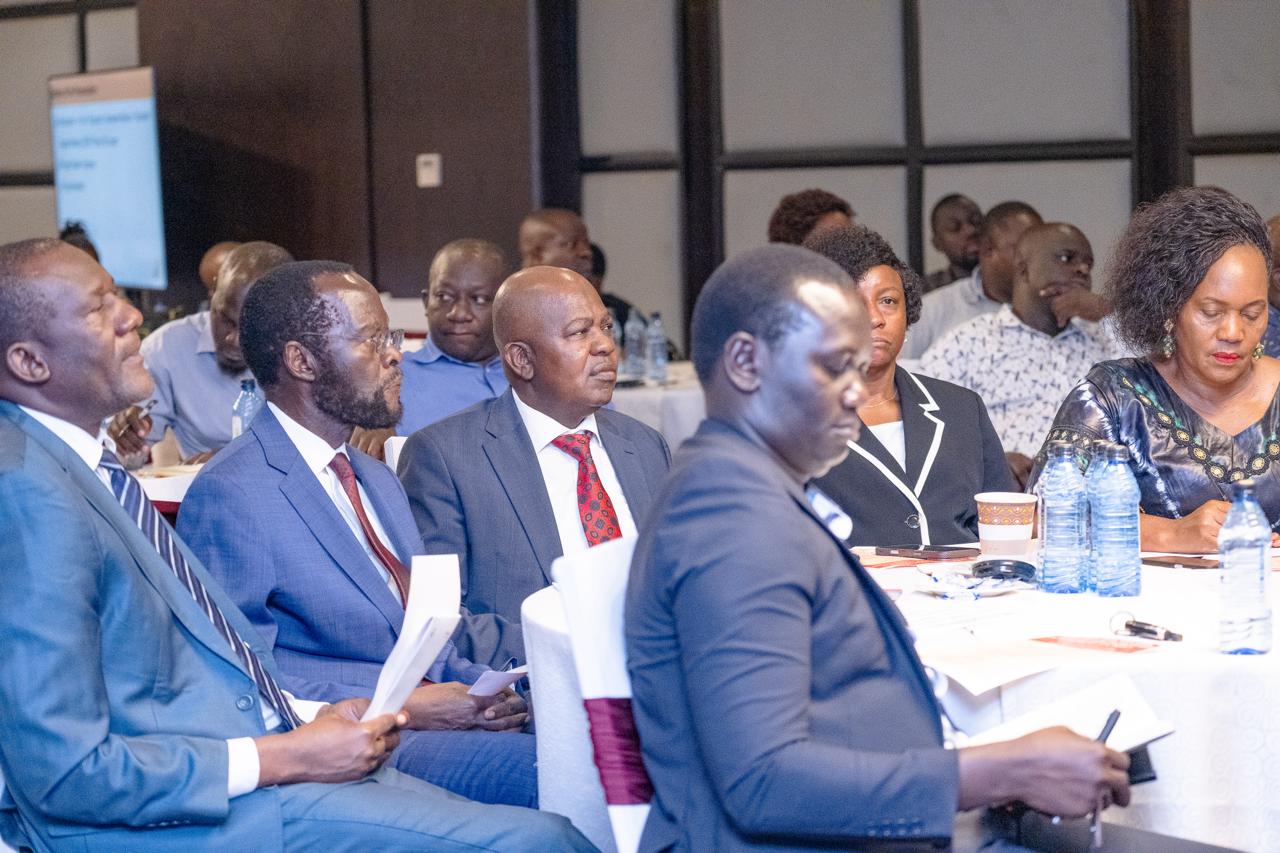
The forum, led by Philip Mainga, managing director of Kenya Railways Corporation, and senior officials from the National Land Commission, briefed leaders and members of the public on key aspects of the project.
Land acquisition and compensation emerged as central issues during the discussions, which were attended by area legislators and senior national and county officials.
Thousands of acres are expected to be acquired, with most affected residents located in Kisumu and Narok counties, the two hosting the longest stretch of the railway line.
Kenya Railways officials outlined the process of identifying, surveying and valuing parcels of land before compensation is processed.
They said adherence to due process would be critical to avoid delays.
The 264-kilometre Phase 2B section of the SGR, stretching from Naivasha to Kisumu, is scheduled for launch next month (March) in Narok and Kisumu counties, with completion targeted for June next year.
Phase 2B will traverse five counties- Narok, Bomet, Kericho, Nyamira and Kisumu-while Phase 2C will connect Kisumu to Malaba at the Kenya-Uganda border.
Mainga underscored the importance of close collaboration between national and county governments to ensure timely delivery of the project.
He noted that transparent and efficient compensation processes would be vital to preventing disputes that have previously slowed major infrastructure works.
“The national and county governments should join hands to ensure the project is launched and implemented in a timely manner,” he said.
“The question of land compensation is critical considering the size of the project we are undertaking.”
He also called on affected persons to present genuine identification documents and title deeds to facilitate faster processing of compensation claims.
Kisumu East MP Shakeel Shabbir praised William Ruto for backing the long-awaited project, saying the region had lobbied for the railway extension for years.
“We have been pushing for the implementation of this project for years. Now that the railway is set for construction, we are ready to give it our maximum support,” Shabbir said.
Kisumu West MP Rosa Buyu also welcomed the development but urged authorities to ensure prompt and adequate compensation for those whose land, homes and institutions will be affected.
“The project will knock off one of our schools. Homes will be brought down. People therefore need to be compensated without delays,” she said, adding that despite the anticipated disruptions, the railway promises to transform the economic fortunes of the region.