
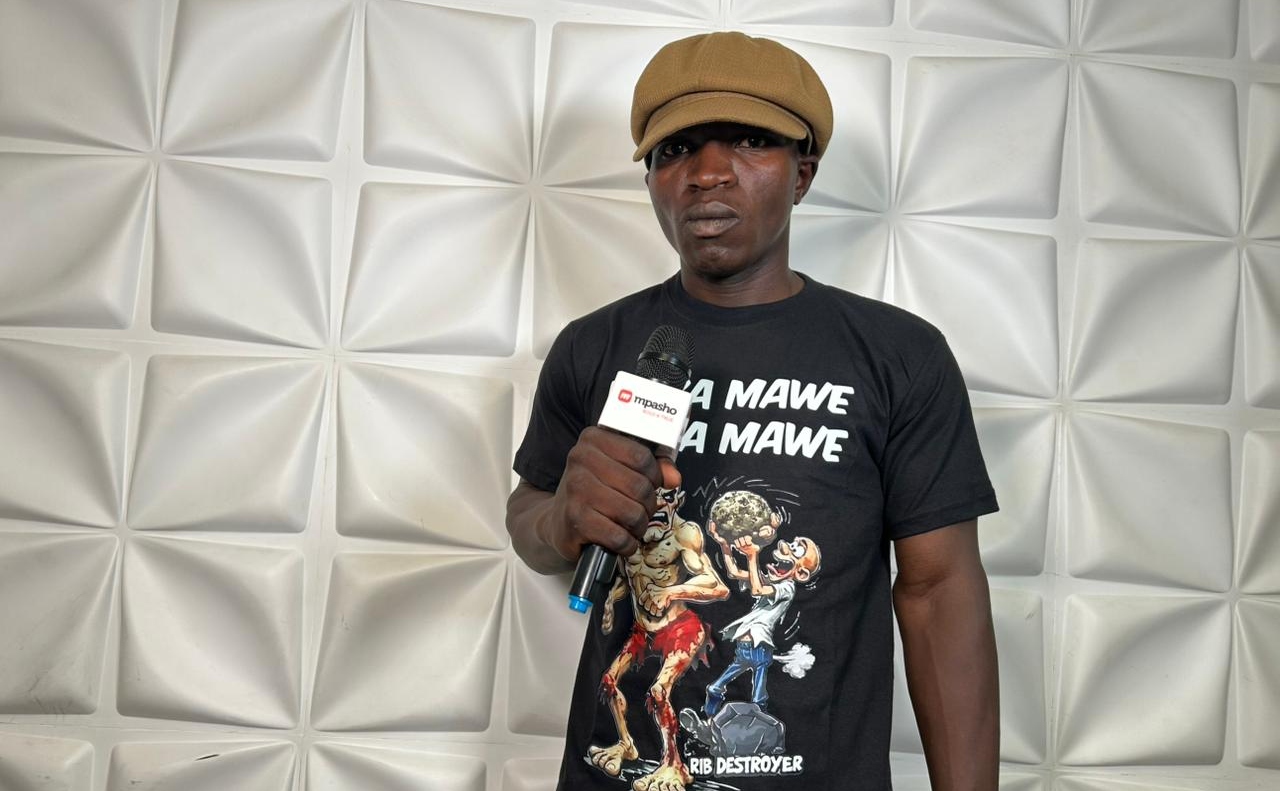
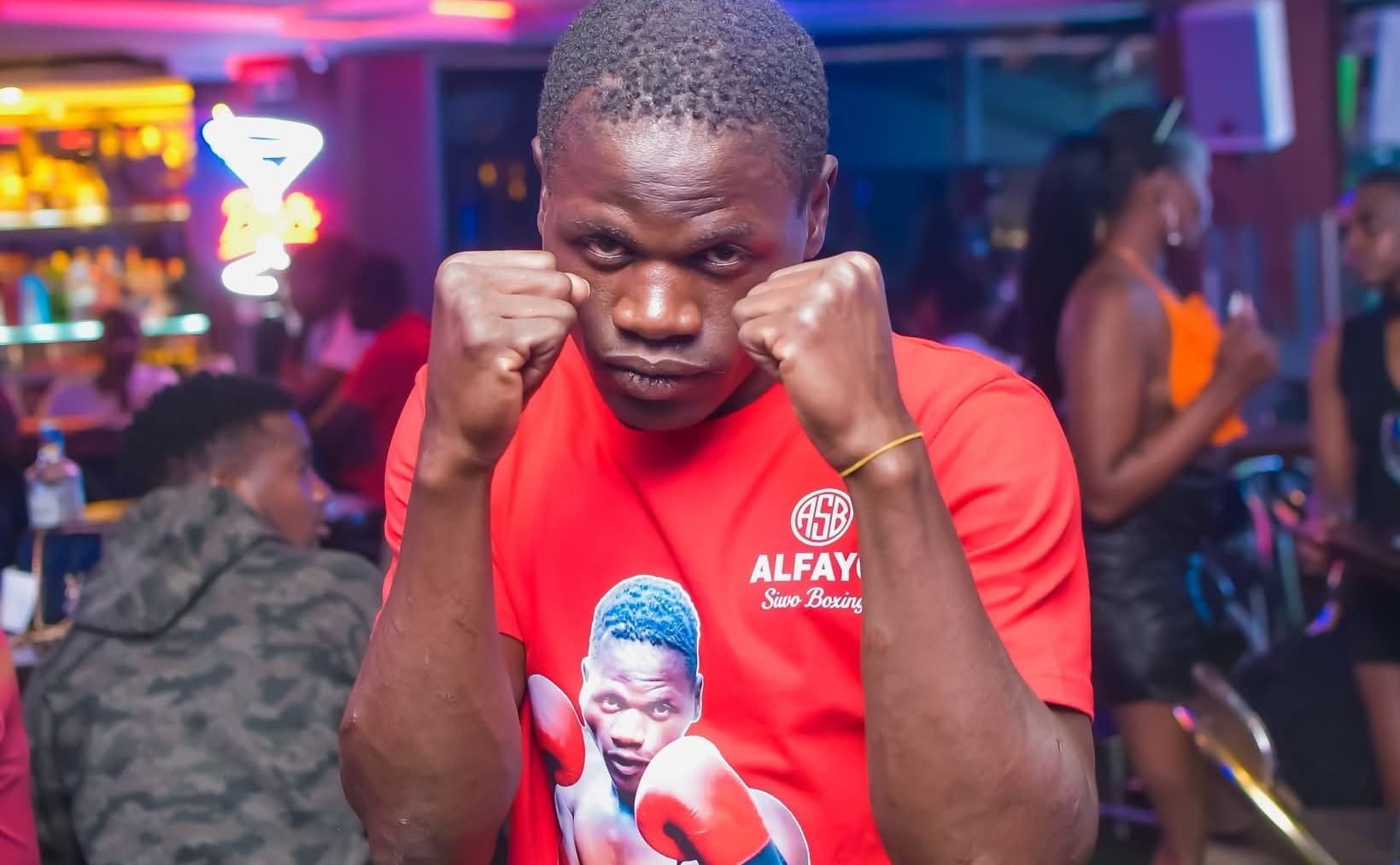
Siwo’s latest challenge — delivered with his signature blend of humor and bravado — calls on Mbavu not simply for another showdown but for clarification of his own identity as a fighter.
“I’m waiting for you, because I know he might win,” Siwo declared in a TikTok clip that has since been shared widely online.
“The only problem I have with him is that he is calling himself Demanga… So I want Mbavu to come and confirm who is the real Demands — is it from East or West?”
The tongue-in-cheek jab has ignited comment threads, memes, and debates about fighting styles, origins, and bravado in the world of street-level boxing hype.
Much of this online messiness stems from Mbavu’s ascension from everyday content creator into a figure of amateur boxing hype.
Also Read: Boxing Heat: Alfayo Siwo and Mbavu Destroyer Exchange Threats on TikTok
The viral “weka mawe” moment — in which Mbavu prompted a friend to place weight on his back while he repeatedly said “weka mawe” (loosely “keep the stones on”) with unmatched composure — became a trending challenge mimicked by influencers and even politicians alike.
That viral surge helped turn Mbavu’s fight narrative into more than a sporting bout — it became a cultural event. With President William Ruto publicly backing the Majembe vs.
Mbavu Destroyer fight with KSh 1 million for each boxer and event tickets, the energy around the contest has soared.
Yet while Majembe prepares with structured training — focusing on nutrition, stamina, and technique — Mbavu’s online persona has become almost as important as his physical preparation.
In public chats leading up to the fight, Majembe stressed the importance of hard work away from social media stunts, saying that disciplined training is essential for a proper boxing contest.
Into this already lively build-up, Alfayo Siwo’s call-out adds another layer of theatrical rivalry.
By questioning Mbavu’s “Demanga” title — and even teasing a regional identity debate (“East vs. West”).
Siwo isn’t just poking fun at Mbavu’s claim to toughness; he’s playing into a larger cultural angle where identity and origin fuel competitive pride.
Fans have responded with mixed reactions. Some see Siwo’s challenge as playful banter — just another meme-worthy moment in the ever-evolving TikTok entertainment cycle.
Others see it as extending the narrative beyond the Majembe fight, creating a new rivalry that might spark future showdowns or collaborations.
Online commentators have also noted that internet-fuelled clashes — while humorous — can have real-world impact.
Viral moments generate attention for rising athletes, attract sponsorships, and even position social media stars as unexpected influencers in local sporting culture.
Whether or not Mbavu accepts Siwo’s challenge, the very fact that social media chatter now overlaps with athletic and cultural pride shows how digital platforms are reshaping competitive narratives.
As the countdown to April 4 continues, Kenya’s boxing fans — and social media observers — will be watching closely.
Will Mbavu answer Siwo’s bait with another viral response? Will Majembe keep the focus on training and discipline?
And who truly is the “real Demanga” — from the East, the West, or somewhere beyond the digital ring?
Time — and TikTok — will tell.
Comments 0
Sign in to join the conversation
Sign In Create AccountNo comments yet. Be the first to share your thoughts!