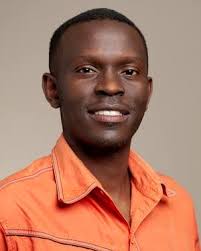
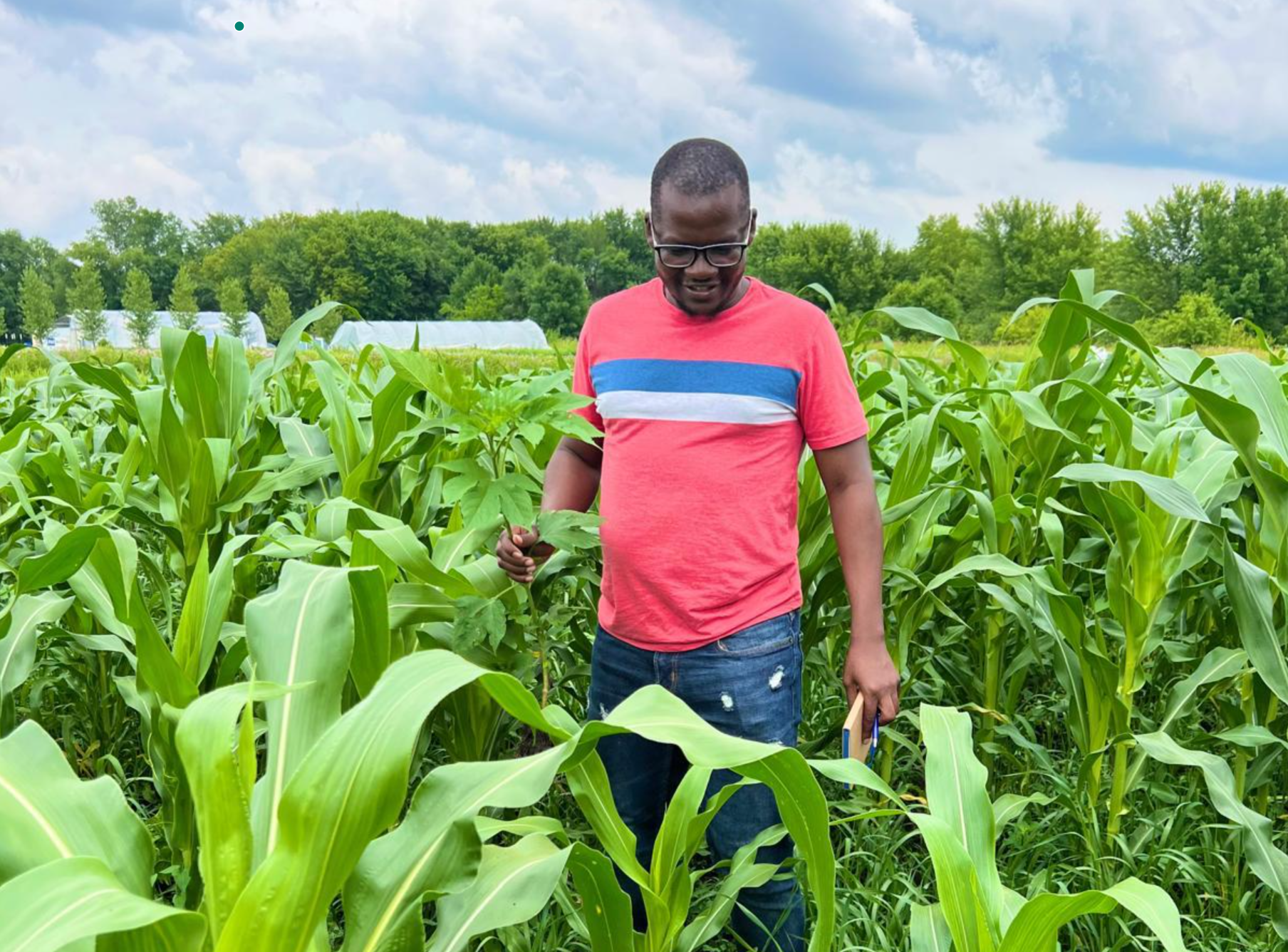
 Dr Willis Magadi in a maize farm. He says the problem of hunger is never just a lack of water or land; it is a lack of access.
It may seem ironic that along the shores of Lake Victoria, a vast body of water surrounded by fertile land, some families still go to bed hungry.
But according to Dr Willis Magadi, the problem is never just a lack of water or land; it is a lack of access.
Dr Magadi says the waters of Lake Victoria are useless if you cannot afford seeds, do not own the land you till, or cannot get your crops to a market that pays a fair price.
Growing up in Western Kenya, Magadi saw first-hand how a single bad season or a lack of information could push a family into poverty. “Hunger is not just about a lack of food,” Magadi says.“It is about power, access, knowledge and dignity.”
This conviction led him to seek solutions for his people, half of whom live in poverty. He realised that while the world talks about AI and drones in farming, the smallholder farmers who produce 85 per cent of Kenya’s food are often left out of the conversation.
These ‘solutions’ are either too expensive or explained in technical jargon that does not fit their lives. Instead of arriving with a pre-packaged plan, Magadi and his team began by listening.
They found that farmers did not need a lecture; they needed a bridge. Together with his team, in an outfit he named the Centre for Rural Empowerment and Agricultural Transformation for Sustainability (Creats International), they take what farmers already know and add modern, sustainable approaches.
“We do not just talk about soil health; we teach vermicomposting (using worms to create fertiliser) and black soldier fly farming. These are not high-tech gadgets that require a manual; they are natural processes that restore the earth and increase yields without forcing a farmer to buy expensive chemicals,” he says.
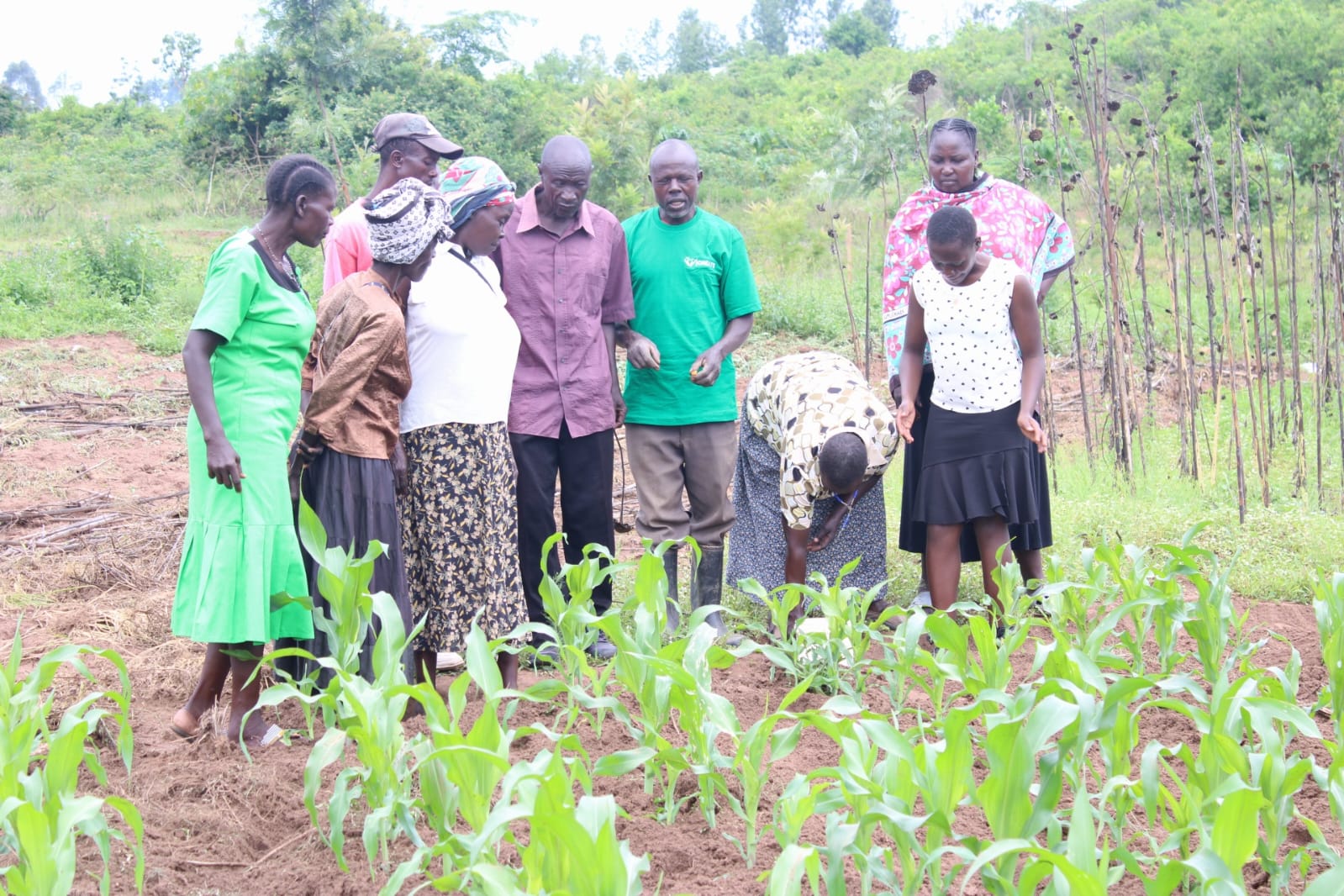 Maize farmers near Lake Victoria in Homa Bay. By helping villagers form savings groups and cooperatives, Dr Magadi's group has created a way for women and young people to lend to one another.
The organisation also tackles the financial ‘wall’ that keeps families trapped. By helping villagers form savings groups and cooperatives, they have created a system that allows women and young people to lend to one another.
This enables them to buy shared machinery or invest in better seeds without falling into the trap of predatory loans.
According to the Kenya Food Security Steering Group (KFSSG) 2023–2024 report, Homa Bay is one of the counties most affected by food insecurity.
In late 2022 alone, approximately 495,000 people in Homa Bay and other non-arid counties were food insecure.
Magadi also notes that sometimes the biggest barrier to a farm’s success is not the soil — it is water. In 2024, they drilled a borehole after consulting residents of Sino Kagola village.
The results were immediate and tangible.
“When a mother does not have to walk miles to find water, she has time to tend a kitchen garden. When a girl is not spending her morning carrying heavy jerrycans, she is in school. Access to water even reduced the risk of gender-based violence, as women no longer had to make long, unsafe journeys into isolated areas,” he says.
By 2025, the once-dry patches of land around the village had been transformed into thriving kitchen gardens.
Eunice Akinyi, a resident, now grows enough vegetables to feed her family and sell the surplus.
“We have clean water we can drink directly from the source,” she says. “It has transformed our lives.”
The gap in support for these farmers is significant. In some parts of Kenya, one government agricultural officer is responsible for 2,000 farmers.
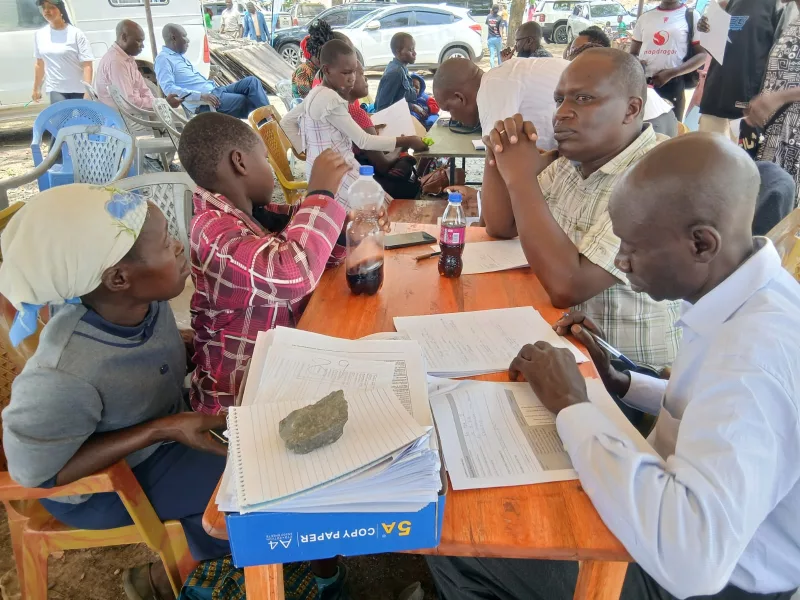
To fill that void, Magadi organises the Homa Bay Agri Expo. It is a grassroots event where farmers, researchers and local businesses meet face to face, cutting through red tape and sharing what works on the ground.
The expo brings farmers together with agribusinesses, researchers, policymakers and development partners, helping to bridge the information gap left by overstretched public extension systems.
“The goal is not to wait for a grand global solution. It is to empower the people who are already there. We are the people we have been waiting for,” Magadi says.
Through simple tools, shared knowledge and careful listening, the communities along Lake Victoria are proving that the “Land of Plenty” can finally live up to its name.