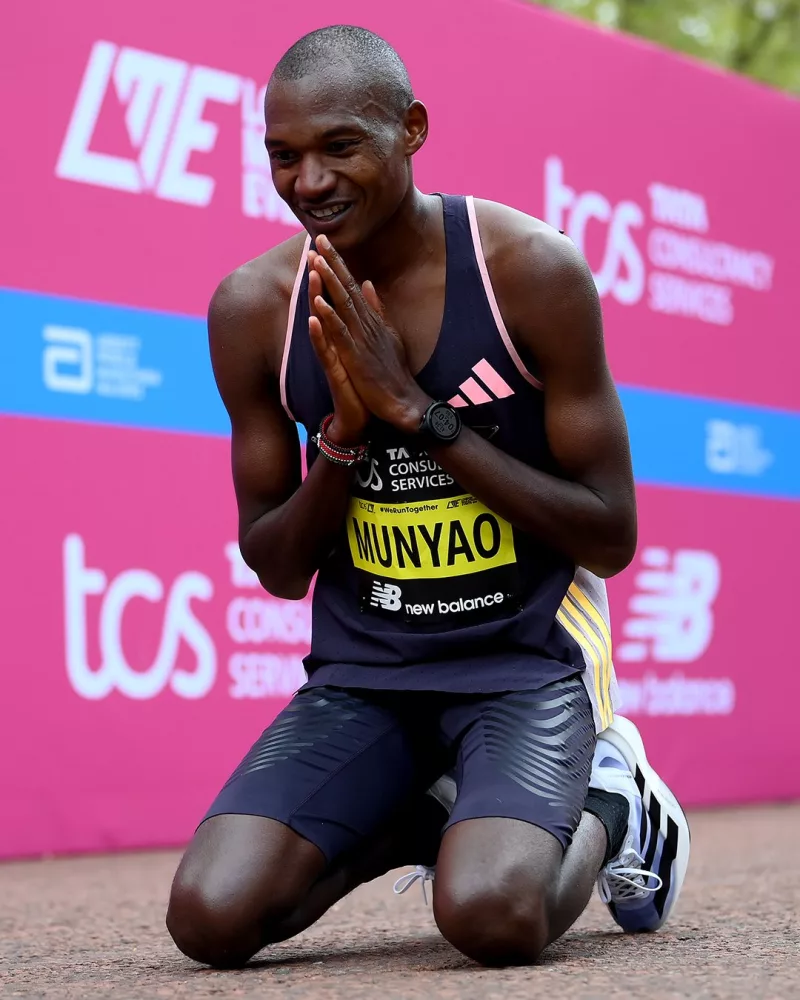
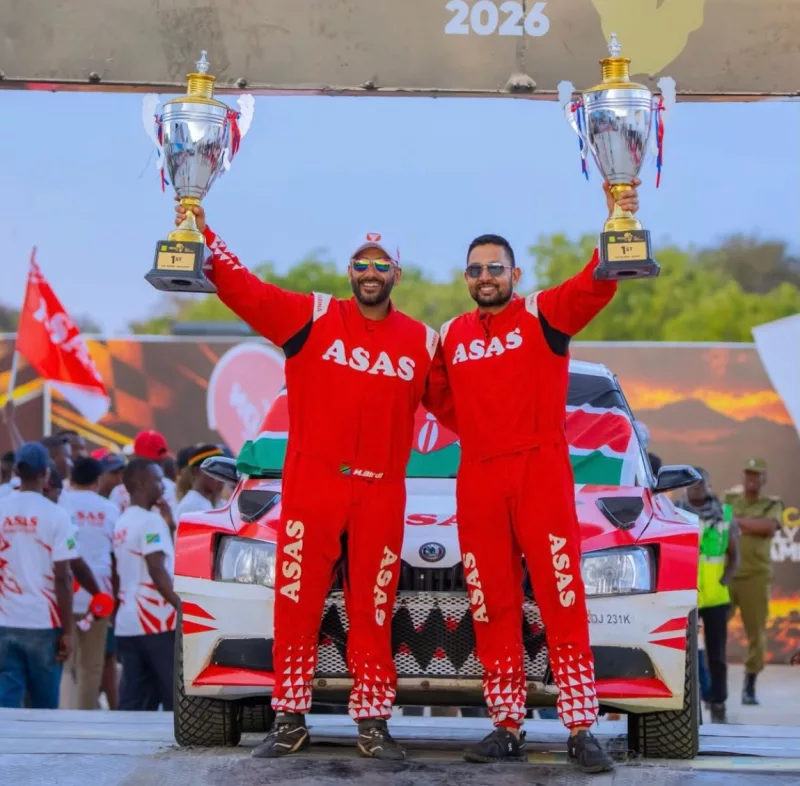
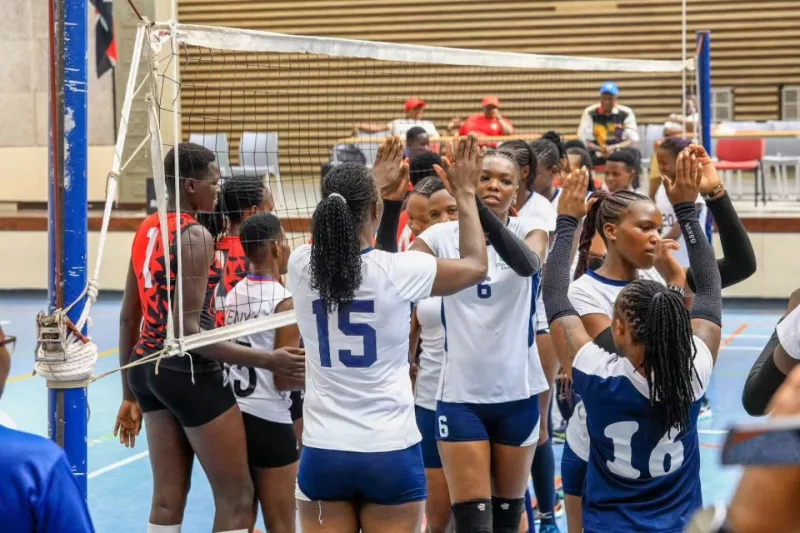
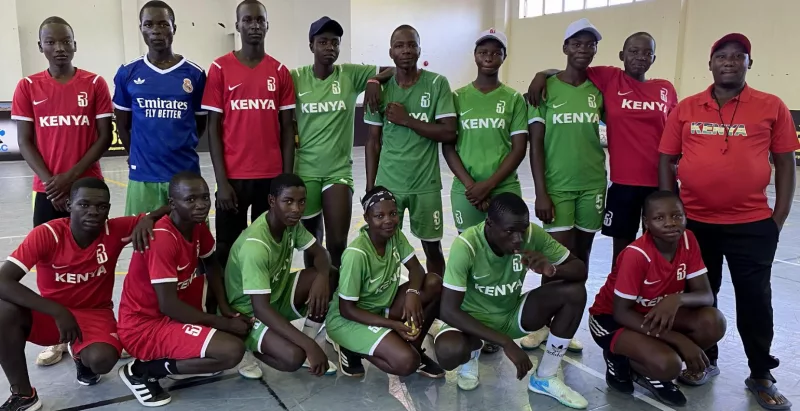
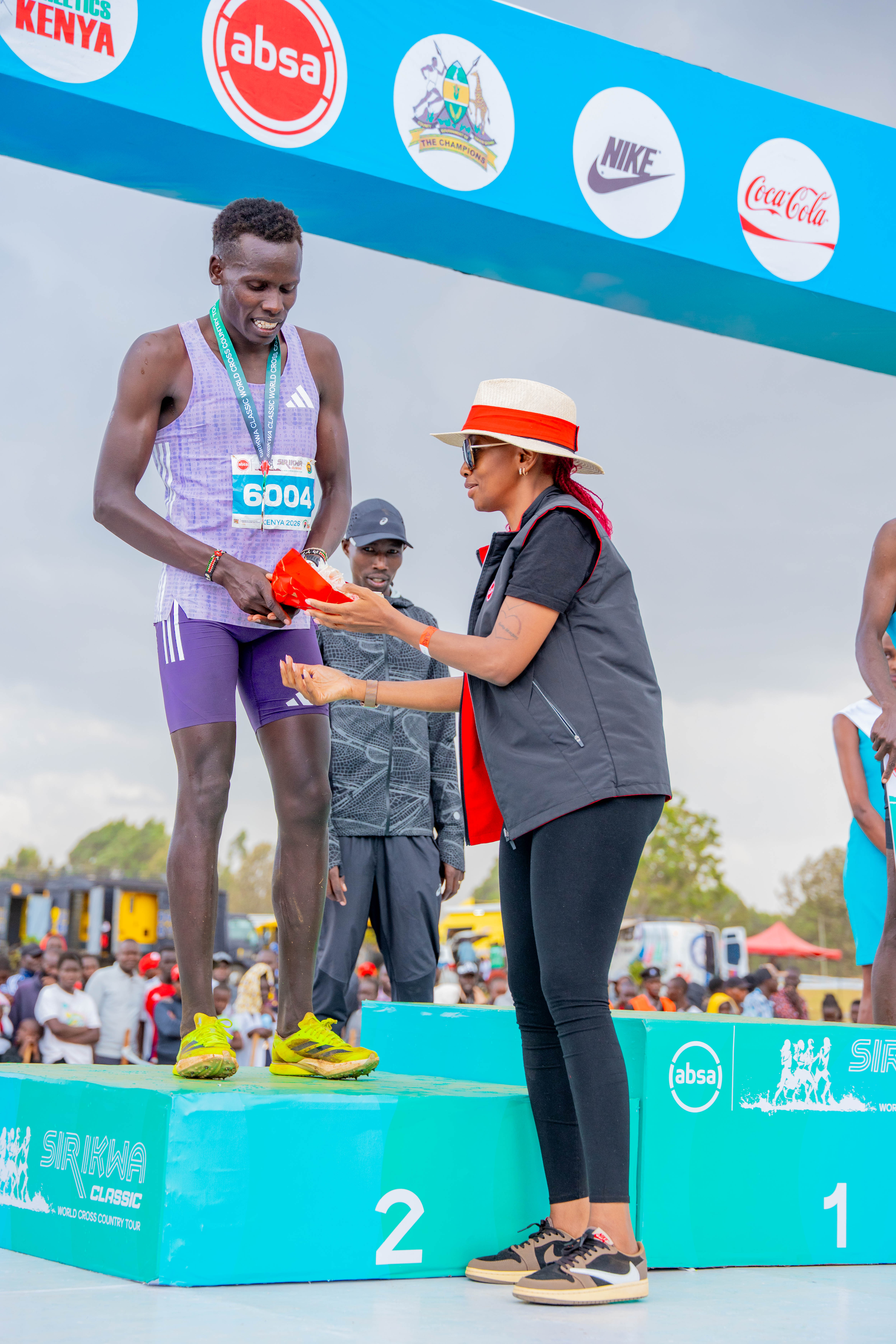
 Sirikwa Classic men's 10k runner-up with Absa Bank Kenya Marketing and Corporate Affairs Director Mwihaki Wachira/HANDOUT
It is the backbone of development, the bridge between sport and commerce, and increasingly, a long-term growth strategy for brands.
Absa Bank Kenya Marketing and Corporate Affairs Director Mwihaki Wachira believes the relationship between brands and sport is rooted in something fundamental.
“We believe in sport as a unifying factor for Kenyans. It brings people together in a way very few other platforms can,” she says.
That unifying power is precisely why corporate investment has become so central to the sustainability of Kenyan sport. Over the past decade, Absa has invested close to a billion shillings across multiple disciplines — not simply for visibility, but for ecosystem development.
Major events such as the Magical Kenya Open demonstrate how sponsorship drives economic activity far beyond the field of play.
“If you look around an event like the Magical Kenya Open, there are over 100 vendors on site. That enablement of business is one of the key reasons we keep coming back,” Wachira explains.
“We look at it from the full spectrum — from corporate clients in hospitality, transport and energy, to SMEs and sole entrepreneurs. That is how we enable the economy,” she adds.
Without sustained corporate backing, few events would reach the scale required to create that multiplier effect.
The Magical Kenya Open’s evolution into a full stop on the DP World Tour reflects what long-term investment can achieve.
“As part of the DP World Tour, the Magical Kenya Open gives Kenya global visibility. Anyone around the world who loves golf can tune in and see Kenya on the international stage,” Wachira notes.
“The progression from a Challenge Tour event to a DP World Tour event shows Kenya is being recognised as a premium sporting destination.”
For brands, that international exposure strengthens credibility. For sport, it lifts organisational standards and attracts elite competition.
“Because of the platforms that Absa and other brands have created, young Kenyan golfers are now playing consistently and progressing onto tours like the Sunshine Development Tour,” says Wachira.
Initiatives such as “Beat the Pro,” where junior golfers compete alongside professionals, provide young athletes with exposure and belief.
“That builds confidence and shows them what is possible,” she says.
Such structured pathways are essential if Kenya is to convert raw talent into sustained international success. Without funding, junior programmes, coaching clinics and competitive platforms struggle to survive.
For brands, sport offers something traditional advertising cannot replicate: emotional equity.
“Sport is one of our key brand assets because it allows us to connect with Kenyans in an authentic and meaningful way,” Wachira explains.
Global giants such as Nike and Adidas have long demonstrated how sport can anchor brand identity. Kenyan corporates are increasingly applying the same philosophy — embedding themselves in cultural moments rather than just buying airtime.
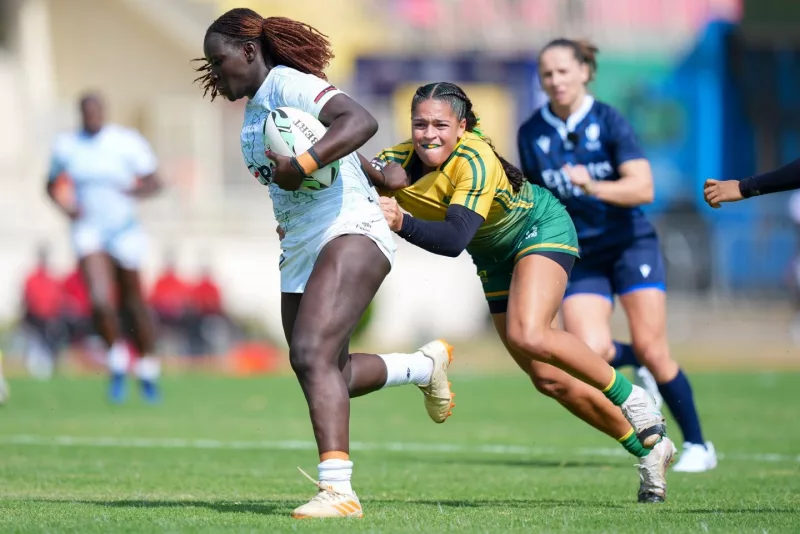
Different sports also serve different commercial objectives. Golf aligns with corporate and premium banking audiences. Rugby and football speak to younger, mass-market demographics. Athletics taps into national pride.
Modern sponsorship increasingly extends into athlete welfare and sustainability.
“Beyond sponsorship, we always incorporate financial literacy because we want athletes to protect and grow their earnings long after their playing careers,” Wachira says.
That holistic approach reflects a maturing ecosystem — one in which corporate partners see themselves not only as financiers, but as long-term stakeholders in sport’s future.
The relationship between brands and sport in Kenya, Wachira says, is ultimately symbiotic.
Sport requires funding, infrastructure and professionalisation. Brands require relevance, authenticity and connection. Sponsorship provides both.
As Kenya continues to position itself as a regional sporting hub, sustained corporate investment will remain critical. The success of tournaments, the growth of young athletes and the elevation of global standards all hinge on it.