Kirinyaga Governor Anne Waiguru has won a court battle over a multi-million-shilling house in Nairobi after the court ruled in her favour and ordered the sale to be completed.
In a judgment delivered by the Environment and Land Court in Nairobi on February 19, 2026, the court ordered Kihingo Village (Waridi Gardens) Limited to complete the sale of House Number 1D at Kihingo Village, Waridi Gardens, to the Governor within 30 days.
In a judgment delivered by Judge O.A Angote, the court also permanently barred the company from interfering with Waiguru’s occupation of the house or selling it to anyone else.
Advertisement
Advertisement
The decision brings to an end years of litigation involving competing claims over the same property.
The dispute also involved city lawyer Chris Kabiro, who had claimed earlier ownership of the house, and James Ndung’u Gethenji, who was listed as an interested party.
Waiguru moved to court after negotiations she entered into in March 2015 to buy the house for Sh80 million stalled.
She told the court that she paid a deposit of Sh8 million and later made further payments, bringing her total contribution to Sh40,687,170. She was allowed to take possession of the house in April 2015.
The agreement was later reduced to writing on September 25, 2015. Under its terms, the balance of the purchase price was to be paid once her bank received the necessary transfer and charge documents. Waiguru said she secured a Sh40 million loan from KCB Bank to complete the purchase.
Despite repeated requests, she told the court, the developer failed to provide the completion documents needed for the bank to release the funds. The judgment records her complaint that, “by reason of the Defendant’s inordinate delay in complying with clause 3.1.2 of the agreement, she risks losing the preferential interest rates she negotiated.”
The developer denied wrongdoing. It claimed the agreement relied on by Waiguru was invalid and said she had unlawfully taken possession of the house. The company also demanded rent running into tens of millions of shillings and asked the court to declare the sale agreement void.
Kabiro, on his part, claimed he bought the same house in 2007 and had fully paid for it. He argued that court orders issued earlier had barred any sale of the property and that any later transaction was illegal. He also claimed the house had been allocated to him in settlement of legal fees worth over Sh100 million.
The court carefully reviewed all the claims, payments, agreements, and previous court orders. It noted that Waiguru had paid substantial sums toward the purchase and had been in possession of the house since 2015. It also examined Kabiro’s claim and the history of the earlier dispute.
In a decisive finding, the court dismissed Kabiro’s rival claim to the house. The judge observed that allowing Kabiro to assert ownership would amount to unjust enrichment, given that he had previously entered into a consent arrangement in which he agreed to receive Sh130 million from Kihingo Village. The court found that his claim could not defeat Waiguru’s rights under the 2015 agreement.
The court also rejected the developer’s counterclaim in its entirety. It dismissed all demands for rent, vacant possession, and outstanding premiums, and ordered the company to pay the costs of the case.
At the heart of the ruling was the court’s decision to enforce the agreement Waiguru entered into with the developer. The judge issued an order of specific performance, directing Kihingo Village to complete the sale transaction and transfer House 1D to the Governor within 30 days from the date of judgment.
The court further issued a permanent injunction to protect Waiguru’s occupation of the house. The order restrains the developer from interfering with her quiet possession or attempting to sell, charge, or transfer the property to any third party.
In setting out its reasons, the court recorded Waiguru’s consistent position that she had always been ready and willing to complete the transaction once the required documents were supplied.
The judgment notes her plea that “she has at all material times been, and remains, ready and willing to perform her obligations under the Agreement.”
The ruling marks a clear victory for the Governor after years of uncertainty over the property. It confirms her right to the house and clears the way for the transaction to be finalised once and for all.
The case highlights the risks that arise when property deals are entangled in multiple claims and prolonged court battles. It also underscores the court’s willingness to enforce valid agreements where a buyer has paid substantial sums and acted in good faith.
For Waiguru, the judgment brings closure to a dispute that has followed her for nearly a decade. With the court orders now in place, the developer is under a clear legal obligation to complete the sale, while all competing claims to the house have been shut down.
The decision firmly settles the ownership of House Number 1D at Kihingo Village and brings to an end one of Nairobi’s most closely watched property disputes involving a senior public figure.

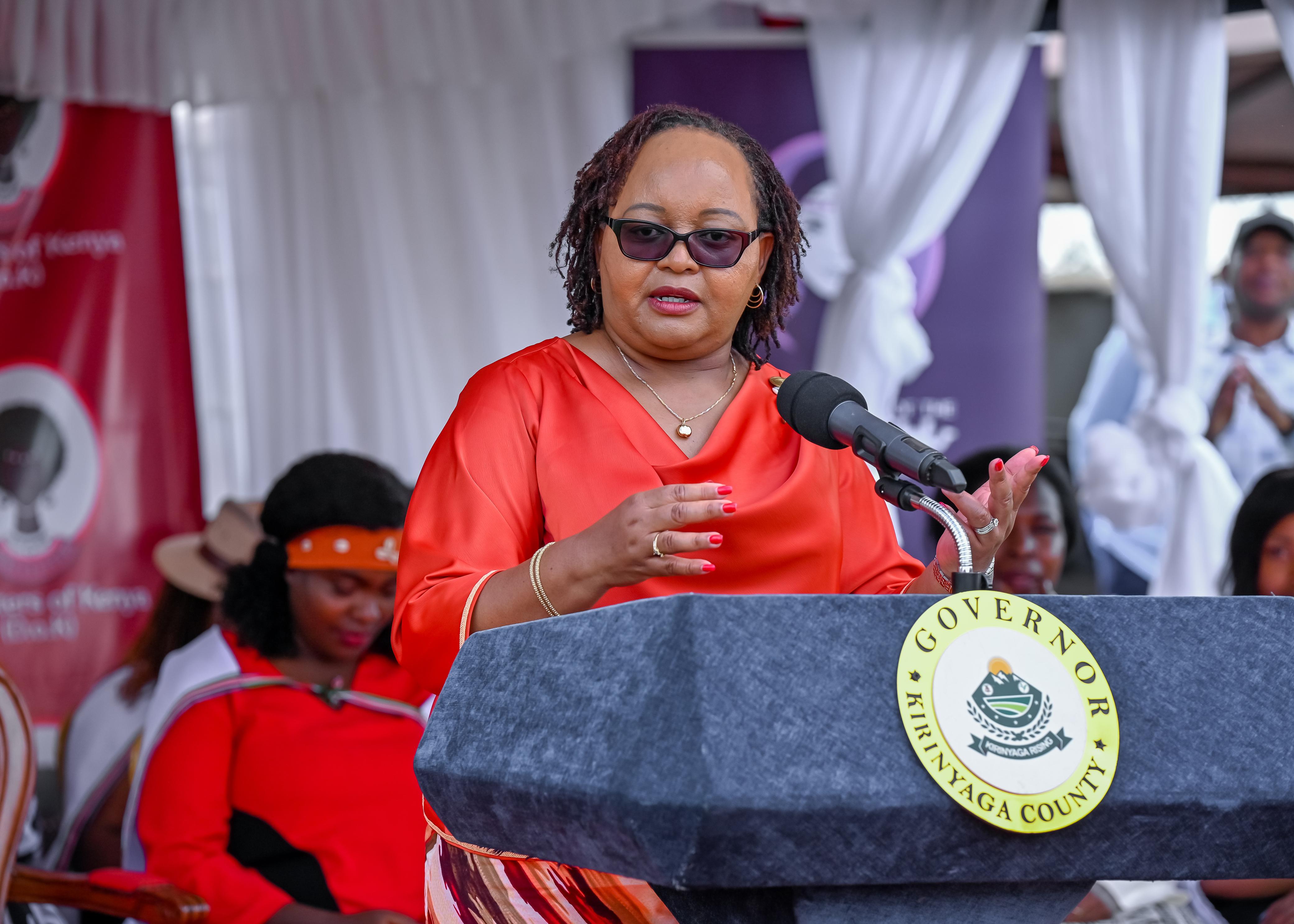 Kirinyaga governor Anne Waiguru/FILE