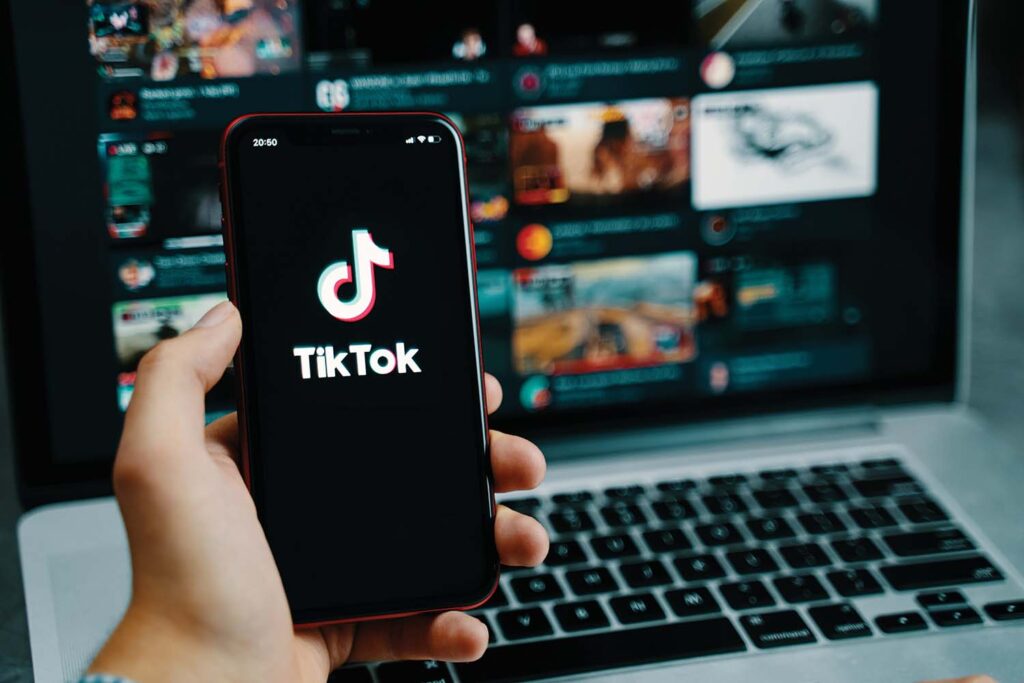
When a creator uploads a video on TikTok, it does not go straight to viewers.
Every post is first assessed against the platform’s Community Guidelines, a detailed set of rules designed to determine what content can remain public, what should be limited, and what must be removed altogether.
In recent months, TikTok has intensified enforcement, pulling down thousands of videos in Kenya and across the world as part of a broader effort to curb harmful, misleading and unsafe content.
How TikTok reviews content
TikTok says it uses a combination of automated systems and human moderators to review videos uploaded to the platform.
Artificial intelligence tools scan content almost immediately after posting, flagging material that may violate rules on safety, misinformation, nudity, violence and abuse. Human reviewers then assess complex cases, user reports and appeals.
According to TikTok, the aim is to remove harmful content as quickly as possible, often before it reaches a wide audience.
Content that commonly leads to takedown
TikTok’s Community Guidelines group violations into several major areas:
Hate speech and harassment
Videos that insult, threaten or target individuals or groups based on race, religion, nationality, gender or other protected characteristics are removed. This includes bullying campaigns, slurs and content meant to humiliate others.
Violence and harmful behaviour
Footage showing physical attacks, graphic injuries or encouraging dangerous stunts is not allowed. TikTok says such content risks normalising harm and encouraging imitation, especially among young users.
Misinformation
False or misleading claims about health, elections, disasters or public safety are a growing focus of enforcement. Videos promoting fake cures, conspiracy theories or distorted news events may be taken down if they could cause real-world harm.
Sexual and explicit content
Nudity, pornographic material and sexually suggestive videos meant to arouse viewers violate platform rules. Even partially explicit content can be removed depending on context.
Content involving minors
TikTok applies strict standards to protect children. Any video that sexualises, exploits or places minors in risky situations is removed immediately.
Illegal activities and regulated goods
Videos promoting drugs, weapons, counterfeit documents or other prohibited products are banned and may lead to account suspension.
Why removals are happening faster
TikTok’s recent enforcement reports show a shift toward proactive moderation, with most violating content detected automatically rather than through user complaints.
The platform says advanced detection systems now identify patterns linked to hate speech, explicit imagery, violent scenes and misleading claims within minutes of posting.
This approach allows TikTok to remove harmful material quickly, but it also means some content may be flagged before full context is understood.
When legitimate content is affected
Some creators report that educational, cultural or harmless videos are occasionally taken down by mistake.
This can happen when automated systems misinterpret language, movement, music or visuals. For example, health awareness videos may be mistaken for harmful acts, while slang can be wrongly classified as abusive.
TikTok allows users to appeal removals, and restored content is returned if moderators determine it did not violate policy. However, the company acknowledges that no system is perfect and continues refining its moderation tools.
What happens after a video is removed
When TikTok takes down a post, the creator usually receives a notification explaining the violation.
The platform may also issue a “strike” against the account. Repeated strikes can result in reduced visibility, temporary posting restrictions or permanent account bans.
Creators can submit appeals if they believe a decision was incorrect, though some penalties may still affect account performance for a period.
Why enforcement is tightening
Digital safety specialists say social media platforms are under increasing pressure from governments, parents and advocacy groups to limit harmful online content.
With TikTok’s massive global audience and strong influence among young people, the impact of dangerous trends, misinformation and online abuse can spread rapidly.
TikTok says stricter enforcement is meant to protect users, promote trustworthy content and maintain a safe digital environment.
What creators should keep in mind
To avoid takedowns, TikTok advises users to:
- Read and understand Community Guidelines
- Avoid content that promotes harm or misinformation
- Add clear context for educational material
- Be cautious with jokes or stunts that could be misinterpreted
- Use the appeal system when removals seem incorrect
The bigger picture
TikTok’s content moderation is becoming faster, broader and more automatic.
While the system has reduced the spread of harmful material, it has also changed how quickly videos can disappear, sometimes within minutes of posting.
For creators, understanding what violates the platform’s rules is now essential.
The message from TikTok’s enforcement drive is clear: creativity remains welcome, but it must operate within guidelines designed to prioritise safety, accuracy and respect online.