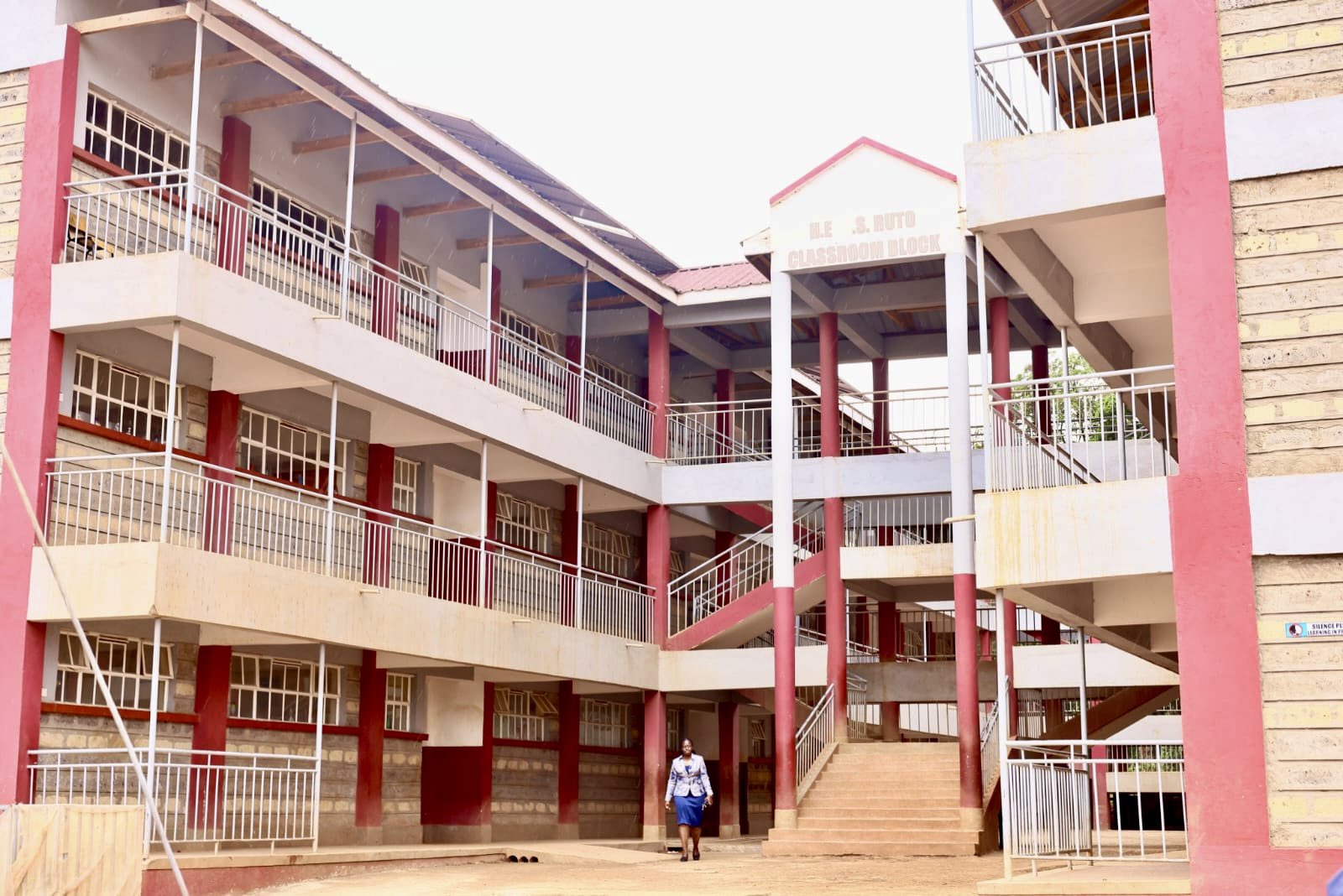
 A new tuition block at the Lenana School primary section.
The government has lauded the delivery of 23,000 new classrooms constructed across the country to meet rising enrollment under the Competency-Based Education system, marking what officials describe as a major boost to access and infrastructure in public schools.
The milestone includes the completion of 24 additional classrooms at the Lenana School primary section, a project pledged by President William Ruto.
Ruto made the commitment on May 13, 2024, during the inauguration of the primary school to accommodate learners from the local community within Ngando Ward in the Dagoretti South constituency.
The 24 classrooms whose construction was finalised in January 2025 supplement the initial 22 unveiled during the inauguration, which were designed to serve more than 1,500 pupils.
With the latest expansion, the total number of classrooms at the institution now stands at 48.
Speaking on Tuesday during a Nairobi region field visit, Basic Education Principal Secretary Julius Bitok said the additional facilities have significantly expanded the school’s capacity and strengthened its academic profile.
“The number of classes you can see here right now are 48 and these are among the 23,000 classrooms that have been constructed around the country,” he said.
According to the Principal Secretary, the expansion has increased the school’s capacity to 2,800 learners, transforming it into what he described as a centre of excellence.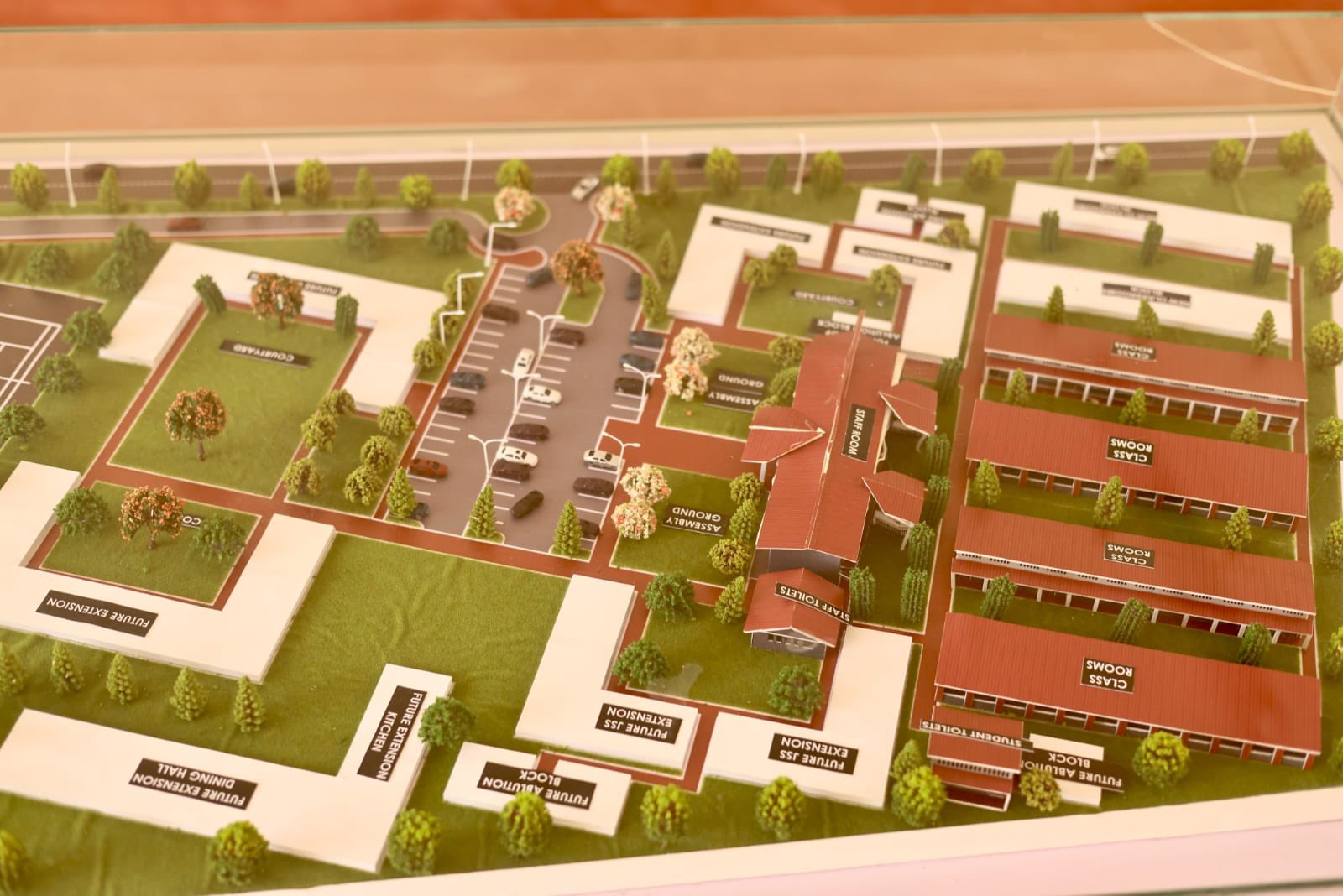 Artist's impression of the Lenana School primary section.
Bitok said the classroom construction programme reflects the government’s broader objective of easing congestion and reinforces its collective commitment to safeguarding access to quality, inclusive and dignified basic education for every child
“In 2023 there was nothing here; today we have 2,300 students in this school,” he said, underscoring the rapid transformation of the institution within a short period.
Bitok was accompanied with Gender and Affirmative Action Principal Secretary Anne Wang'ombe and Children Services Principal Secretary Carren Angeg'o.
They echoed his sentiments, saying the government remains committed to safeguarding the interests and future of learners through sustained investment in education infrastructure. 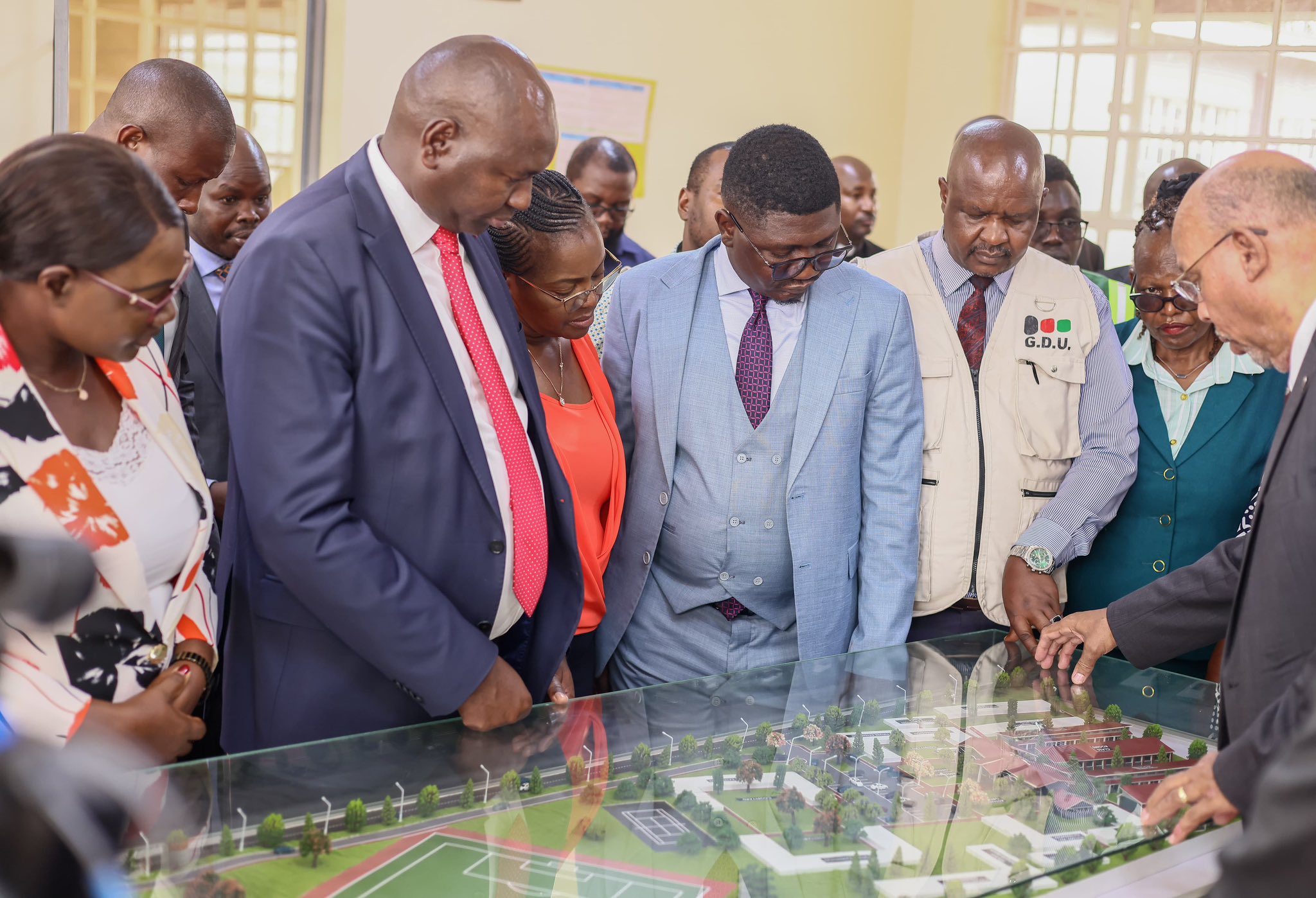 Basic Education PS Julius Bitok on a field visit at Lenana School primary, accompanied by Gender and Affirmative Action PS Anne Wang'ombe and Children Services PS Carren Angeg'o.
The classroom construction drive was launched five years ago as a phased initiative aimed at easing pressure on existing facilities and preparing the system for full transition to CBE.
The first phase, implemented in the 2021–22 financial year, involved the construction of 11,600 classrooms at a cost of approximately Sh788,000 per classroom.
In the 2024–25 financial year, the government released between Sh12.8 billion and Sh18.8 billion to fund the construction of between 16,000 and 18,000 additional classrooms.
The new facilities were intended to accommodate the pioneer cohort of Grade 9 learners transitioning to junior school under the CBE structure.
Beyond infrastructure, the government is also reviewing policies that directly affect parents, particularly the cost of school uniforms.
The issue came into sharp focus as Grade 9 learners transitioned to Grade 10 this year, with some parents complaining that certain schools were directing them to purchase uniforms exclusively from designated outlets.
The directive, described by the government as illegal, compelled some parents to buy uniforms at inflated prices, resulting in delayed reporting to school for learners whose families could not immediately afford the prescribed attire.
In response, President William Ruto directed school principals to admit Grade 10 learners wearing the uniforms they had used in junior school, in a move aimed at preventing financial barriers from disrupting government's 100 per cent transition.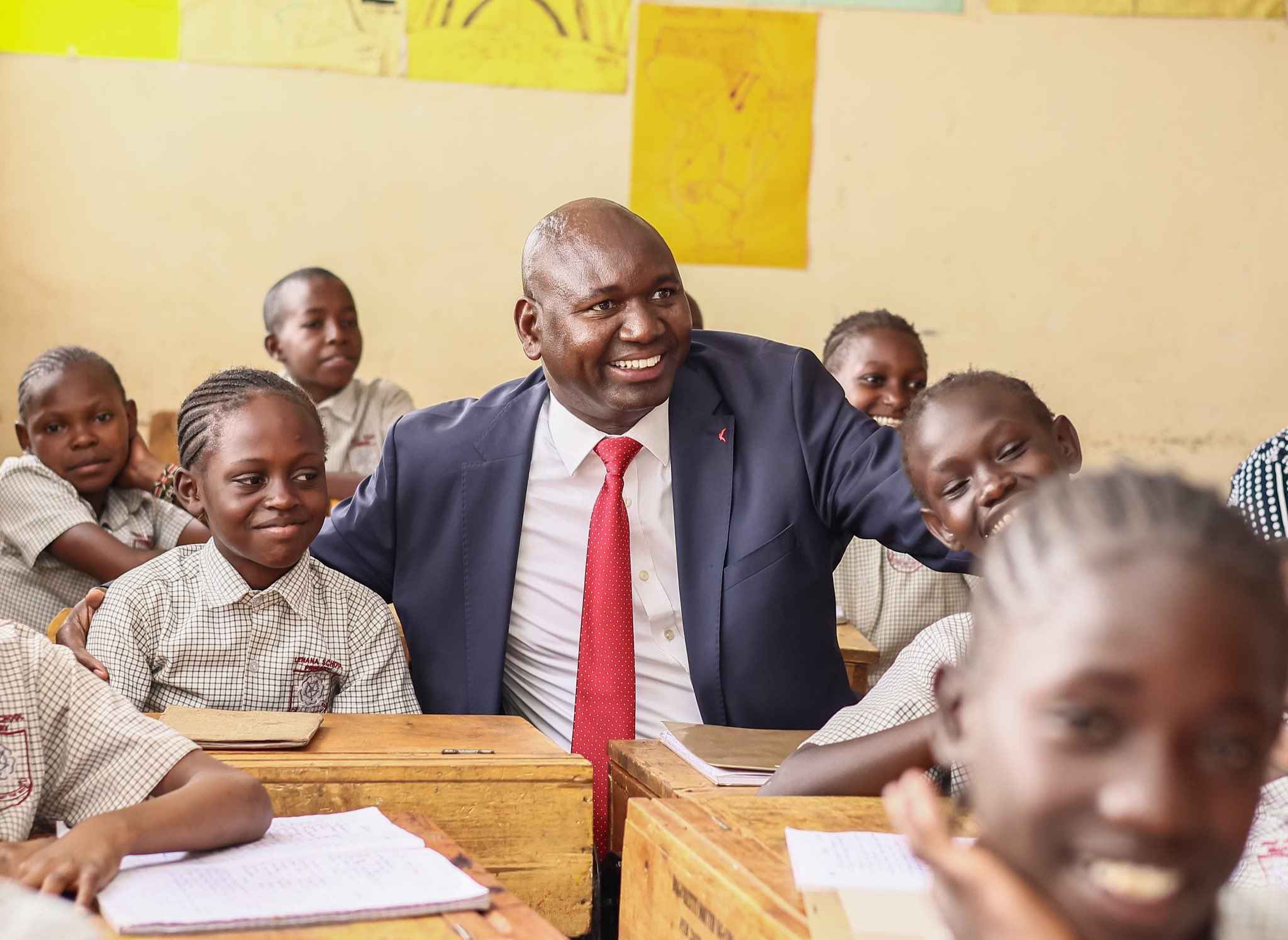 Basic Education PS Julius Bitok with pupils at Lenana School primary during a field visit, Tuesday, February 17, 2026.
PS Bitok said discussions are ongoing on how to make school uniforms more affordable for families.
“We are working on the issue of uniforms, and we are saying, 'Can we make this uniform more manageable so that we reduce the cost that we pass to the parent?'" he said.
The continued rollout of classrooms and related reforms comes as the government seeks to align physical infrastructure, financing, and administrative policies with the demands of the Competency-Based Education system.
The system places greater emphasis on learner-centred instruction and progression across multiple levels of schooling, representing a major shift from the examination-centric 8-4-4 curriculum that's in the final two years of being completely phased out.