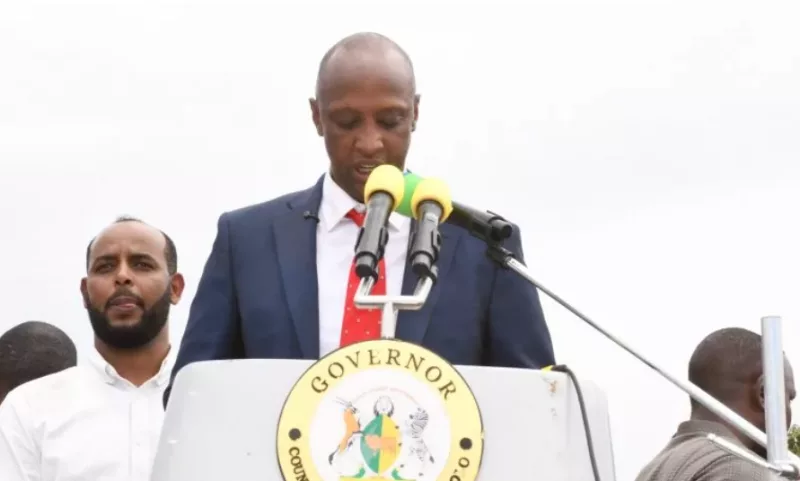
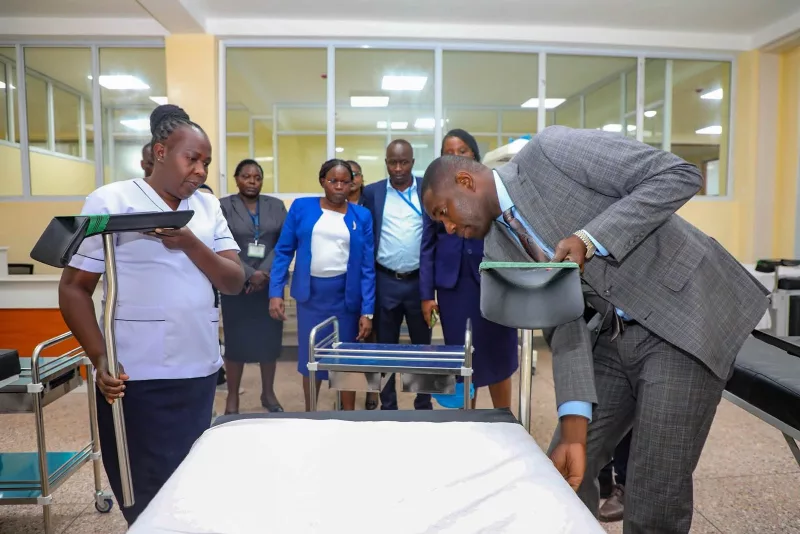
 Kajiado Governor Joseph Ole Lenku and Turkish Ambassador to Kenya Subutay Yüksel during the commissioning of solar-powered cold storage rooms at Kitengela Market/HANDOUT
Türkiye has urged enhanced collaboration among governments, development agencies and the private sector to build resilient food systems that empower communities while safeguarding the environment.
Speaking during the launch of the Solar-Powered Cold Storage Rooms Project at Kitengela Market in Kajiado County, Turkish Ambassador to Kenya Subutay Yüksel said such partnerships should prioritise environmental conservation, food security and sustainable development.
Yüksel stressed that effective cooperation must be grounded in mutual respect and collective effort among stakeholders.
“Reducing food loss is not just an environmental responsibility; it is also an economic and social necessity. By preserving produce that would otherwise go to waste, this facility strengthens traders’ livelihoods, improves market efficiency, and supports Kenya’s broader development goals,” Yüksel said.
The initiative is a joint undertaking between Türkiye and the Kajiado County Government aimed at curbing food loss, boosting incomes and promoting environmentally sustainable practices.
The ambassador expressed appreciation to all partners who contributed to the project’s success.
“I would like to sincerely thank the Kajiado County Government, Food Banking Kenya, market leadership, and all stakeholders who worked closely with TİKA to bring this project to life,” he said.
The project is supported under the leadership of Türkiye’s First Lady and continues to receive backing from the Turkish Cooperation and Coordination Agency (TİKA).
The initiative represents a significant milestone in efforts to reduce food waste while enhancing earnings for small-scale traders, who play a vital role in Kenya’s food distribution chain.
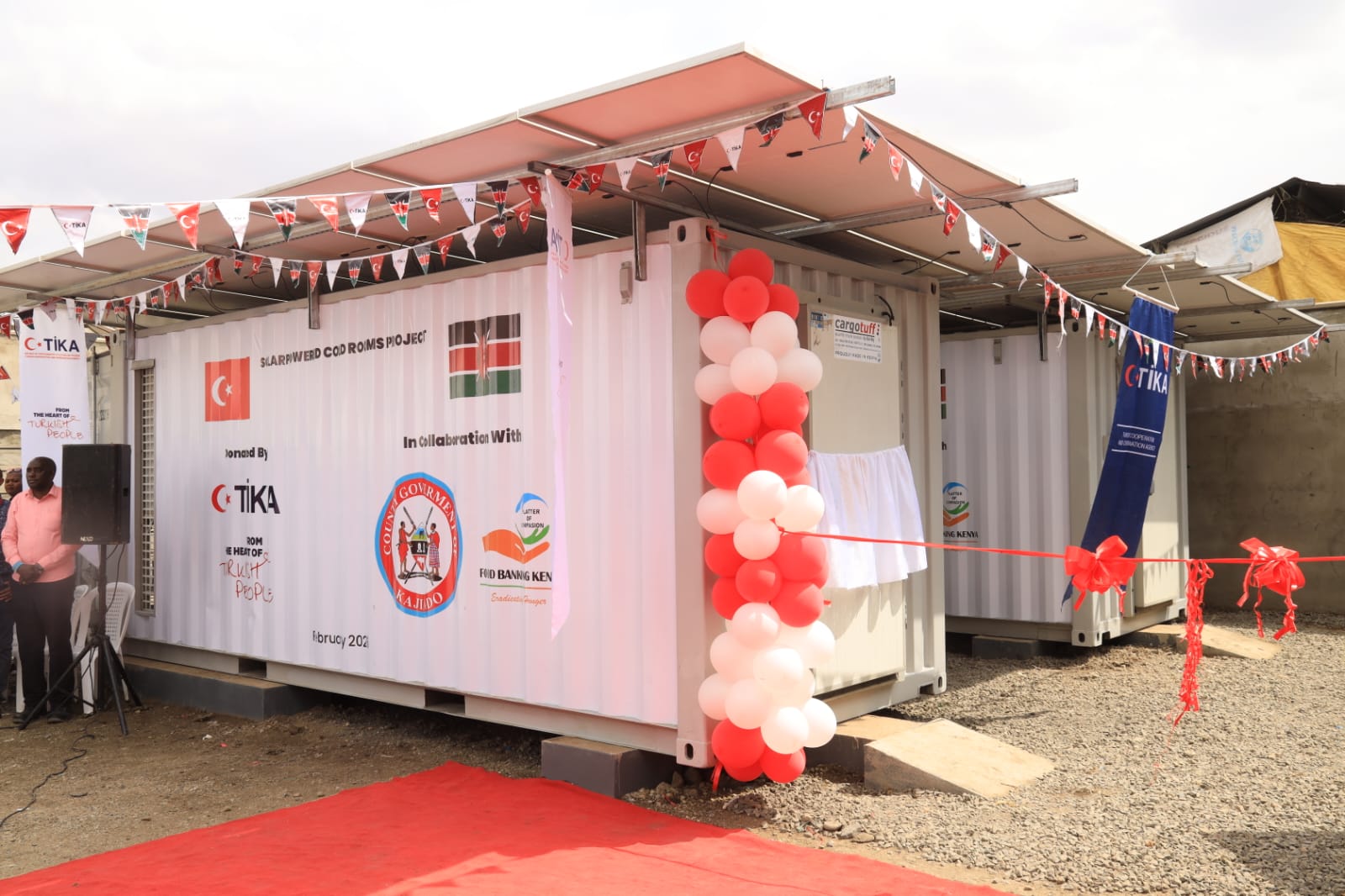 The solar-powered cold storage rooms at Kitengela Market/HANDOUT
Kitengela Market, one of the busiest markets in Kajiado County, handles substantial volumes of perishable goods supplied by smallholder farmers and wholesale traders.
However, limited access to adequate cold storage facilities has exposed traders to considerable post-harvest losses.
In many cases, unsold produce is discarded, sold at throwaway prices or left to spoil within hours of delivery.
This not only contributes to food wastage but also diminishes traders’ incomes and undermines market productivity.
To address these challenges, two 20-foot solar-powered cold room containers have been installed at the market under the Zero Waste Cold Storage Project.
The facilities primarily rely on solar energy to provide environmentally friendly and sustainable cooling, while remaining connected to the national grid to guarantee uninterrupted service when required.
The self-sustaining system now enables traders to preserve fresh produce for extended periods, significantly reducing spoilage and helping stabilise incomes.
The project draws inspiration from Türkiye’s First Lady Emine Erdoğan’s internationally recognised Zero Waste Programme, which advocates responsible resource use, waste reduction, and environmental sustainability.
Food waste remains a major contributor to environmental degradation, climate change, and economic losses globally.
By minimising avoidable waste at the market level, the initiative directly supports climate action, conserves critical natural resources, and advances broader sustainable development objectives.
Among those present at the launch were Kajiado Governor Joseph Ole Lenku, Food Banking Kenya Executive Director John Gathungu, and Kajiado Trade CECM Leah Marias.
The project underscores Türkiye’s expanding development partnership with Kenya, particularly in strengthening food security systems and promoting sustainable, community-driven solutions.