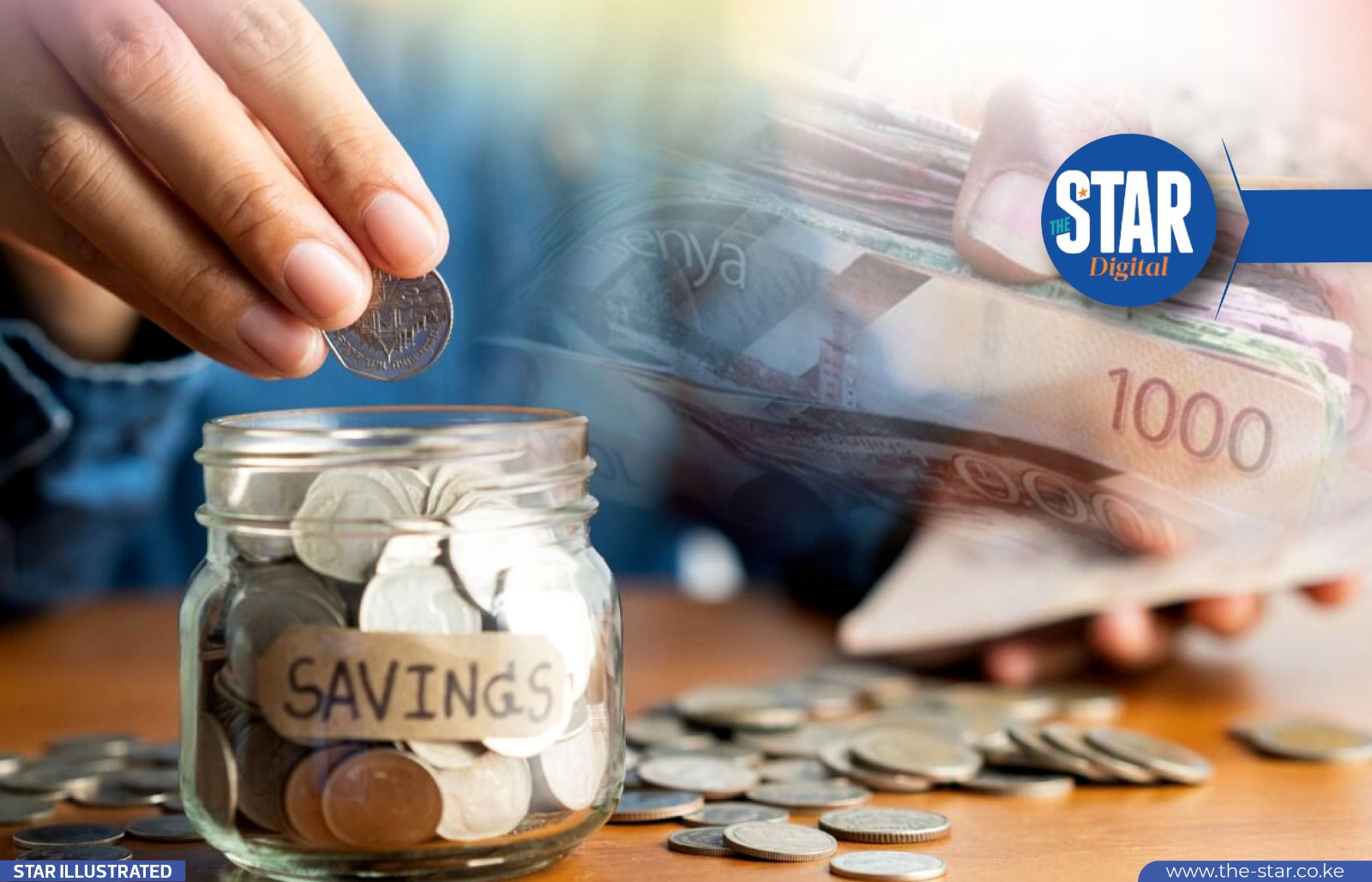
Kenya has long been a nation of earners but not savers. For millions of
households, income is consumed immediately, not by choice but by necessity.
Rising food, housing, transport, school fees,
and healthcare costs have pushed saving out of reach for many. Without a
stronger saving culture, Kenya risks mortgaging its future, household by
household and generation by generation.
Saving is not merely a personal habit; it is an economic pillar. Countries that save more invest more, borrow less, and withstand shocks better.
For Kenya, domestic savings provide the long-term capital needed for infrastructure, industry, and job creation. When savings are weak, the country leans heavily on debt, often external and costly, exposing taxpayers and constraining policy choices.
The irony is that Kenyans understand saving. Chamas, Saccos, and rotating savings groups remain resilient because they are trusted and disciplined. Yet low and irregular incomes and constant emergencies mean contributions are skipped, withdrawals accelerated, and long-term goals postponed.
Kenya needs a national reset on savings. First, incomes must rise through formal jobs, higher agricultural productivity, and stronger support for small enterprises.
Second, saving must be easier and cheaper. Regulators and industry players should expand low-cost, no-fee micro-savings products and incentives for small balances.
Leadership matters. Fiscal discipline by the state is vital; citizens will struggle to save if government does not.
“The problem is when you are writing something in retrospective, it needs a lot of courage not to change, or you will forget a certain reality.”
Boutros Boutros-Ghali
The Egyptian politician and diplomat who served as the sixth secretary-general of the United Nations from 1992 to 1996 died on February 16, 2016