Kenya stands at a critical crossroads. Persistent drought, expanding semi-arid regions and a rapidly growing population have placed immense strain on the nation’s food systems.
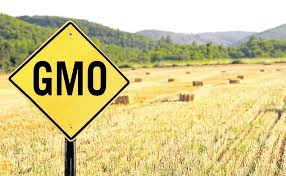
Traditional agriculture, once the backbone of food security, is increasingly unable to meet current demands. As production dwindles, the debate over genetically modified organisms has intensified, dividing opinion across the country.
Yet, the reality is difficult to ignore: Kenya has already relied on GMO food aid during times of crisis.
This underscores a contradiction in resisting a technology that could help address the very shortages we face.
Science offers tools that can enhance crop resilience, improve yields, and reduce vulnerability to climate shocks—benefits Kenya can no longer afford to overlook.
However, embracing GMOs must not be reckless.
Action tempered with caution is essential. Strong regulatory frameworks, rigorous scientific testing, and public awareness must guide implementation.
Transparency will be key in building trust among citizens.
Kenya must take a bold step forward, guided by evidence rather than fear. By responsibly integrating modern agricultural science, the country can move closer to sustainable food security while safeguarding public health and the environment.
“Confront the dark parts of yourself, and work to banish them with illumination and forgiveness. Your willingness to wrestle with your demons will cause your angels to sing.”
August Wilson
The American playwright, referred to as the ‘theater's poet of Black America’, was born on April 27, 1945