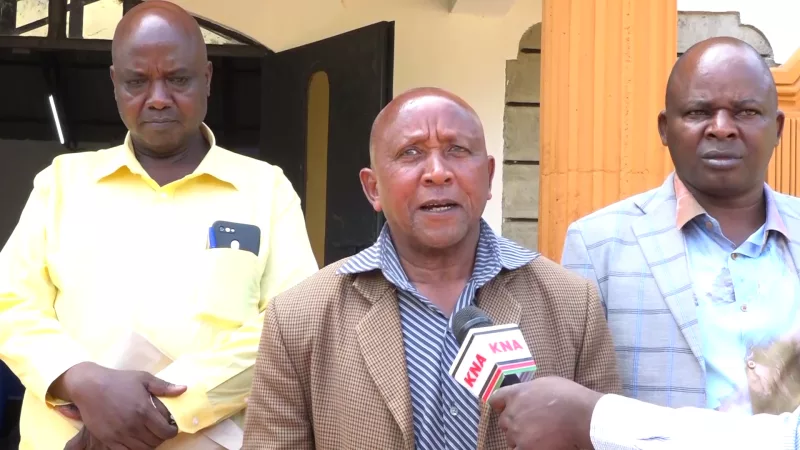
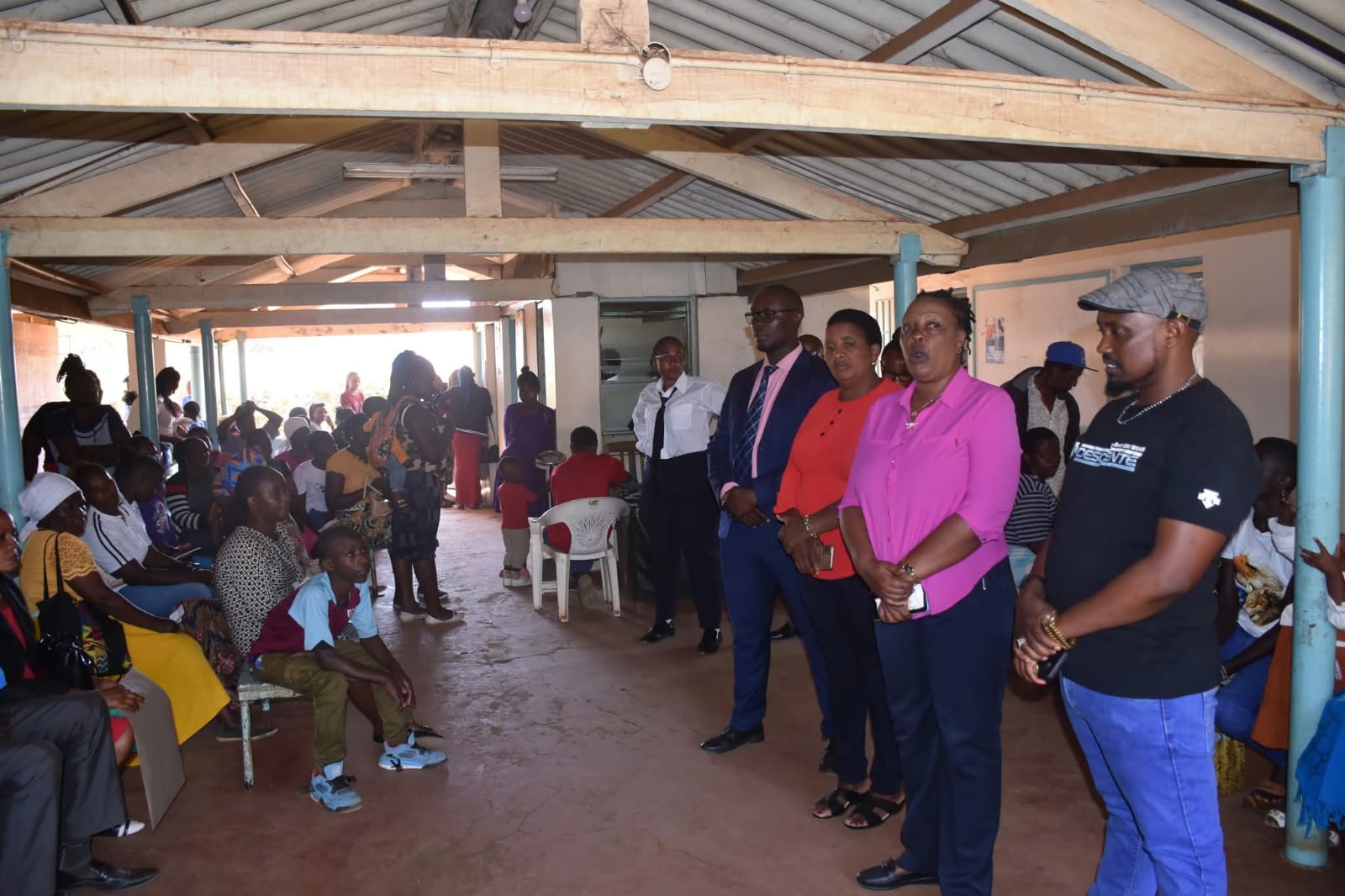
 Kirinyaga MCAs led by nominated MCA Bosco Gichangi at Kimbimbi Level 4 Hospital on February 11, 2026 /ALICE WAITHERA
Residents of Mwea are concerned over the state of services at Kimbimbi Level 4 Hospital, following an impromptu visit by Kirinyaga county assembly's health committee.
The oversight visit, led by committee chairperson Bosco Gichangi, exposed operational and infrastructure gaps that residents believe are undermining healthcare delivery.
“What we have witnessed here is not commensurate with the level of funding allocated to the health department,” he said.
One of the most pressing concerns raised was acute understaffing in the hospital’s security department.
MCAs learnt the limited number of guards has made it difficult to effectively regulate movement within the compound, heightening fears over patient safety and the security of hospital property.
The dental unit was also found to be ill-equipped, currently handling only basic tooth extractions due to lack of functional equipment, with no capacity to undertake dental surgeries or other specialised procedures.
Patients in need of advanced dental care are compelled to seek help in private facilities.
In the pharmacy, legislators discovered the absence of a computerised inventory management system and warned that reliance on manual records exposes the hospital to frequent stock-outs and possible loss of pharmaceutical supplies.
Residents have repeatedly complained about being referred to private chemists to buy medication despite being registered under the Social Health Insurance Fund.
“We are forced to buy drugs outside, yet we are fully registered under SHA. That defeats the purpose of universal healthcare,” lamented a resident during the visit.
The hospital is further grappling with a shortage of specialised personnel, including a resident radiologist, forcing patients seeking imaging services to turn to private centres and significantly increasing the cost of treatment.
Sanitation and infrastructure conditions painted a worrying picture. Several toilets were non-functional, while general cleanliness in parts of the facility fell below acceptable public health standards. Members reported minimal evidence of recent cleaning activities in some sections.
Patients also decried slow and bureaucratic treatment processes.
One resident narrated arriving at the hospital early in the morning but waiting until noon to be attended to because there was only one functioning blood pressure machine.
The concerns have stirred debate given the substantial allocation to the county’s health sector. In the current financial year, the department of health received more than Sh2 billion in recurrent and development funding, making it the highest-funded department in the county.
The issues also arise shortly after MCAs approved the Facility Improvement Fund (FIF) Bill, which grants health facilities authority to directly utilise funds they generate to enhance services.
In contrast, the committee expressed satisfaction following a separate an announced visit to the renal unit at Kerugoya County Referral Hospital.
The tour assessed the status of renal services, where members found five functional dialysis machines serving an average of 12 patients daily.
The unit currently operates with six staff members and requires an additional 16 to offer round-the-clock services amid rising cases of chronic illnesses.
“The progress here is commendable, although staffing and equipment must be expanded to match the growing demand,” Gichangi said.
Unlike Kimbimbi, the renal unit demonstrated strong record management practices, with patient files well organised and consistently updated to ease monitoring of progress.
The pharmaceutical section operates an automated system that provides real-time data on stock levels, enhancing accountability and reducing the likelihood of shortages.
The committee also praised the cleanliness and organisation of the hospital’s kitchen and laundry departments, while urging management to strengthen documentation procedures when transferring supplies, particularly medicines, within and outside the facility.
Additionally, the chairperson encouraged the administration to prioritise procurement of food supplies from local traders to stimulate economic opportunities for residents.
Public concerns had previously been raised about the renal unit’s operations last year, with patients complaining that majority of the dialysis machines had broken down but the MCAs observed marked improvement during the latest inspection.
A detailed report on both visits is expected to be tabled before the county assembly in the coming weeks to inform debate and guide policy measures aimed at improving healthcare standards across Kirinyaga county.
Instant Analysis
The dental unit was also found to be ill-equipped, currently handling only basic tooth extractions due to lack of equipment, with no capacity to undertake dental surgeries or other specialised procedures. In the pharmacy, legislators discovered the absence of a computerised inventory management system and warned that reliance on manual records exposes the hospital to frequent stock-outs and possible loss of pharmaceutical supplies. At Kerugoya Level 5 Hospital's renal unit, the pharmaceutical section operates an automated system that provides real-time data on stock levels, enhancing accountability and reducing the likelihood of shortages.