
Different Worlds, Different Upbringings
Millennials, born between 1981 and 1996, came of age during the birth of the internet.
Social media was slow, personal blogs were in vogue, and the world felt simultaneously smaller and more experimental.
Aisha Mwangi, 32, an entrepreneur in Nairobi, explains: "Growing up, we were just figuring out how to navigate the internet.
Social media wasn’t everything, but it shaped how we shared who we were." For Millennials, experiences mattered more than instant trends—they sought depth, community, and personal growth.
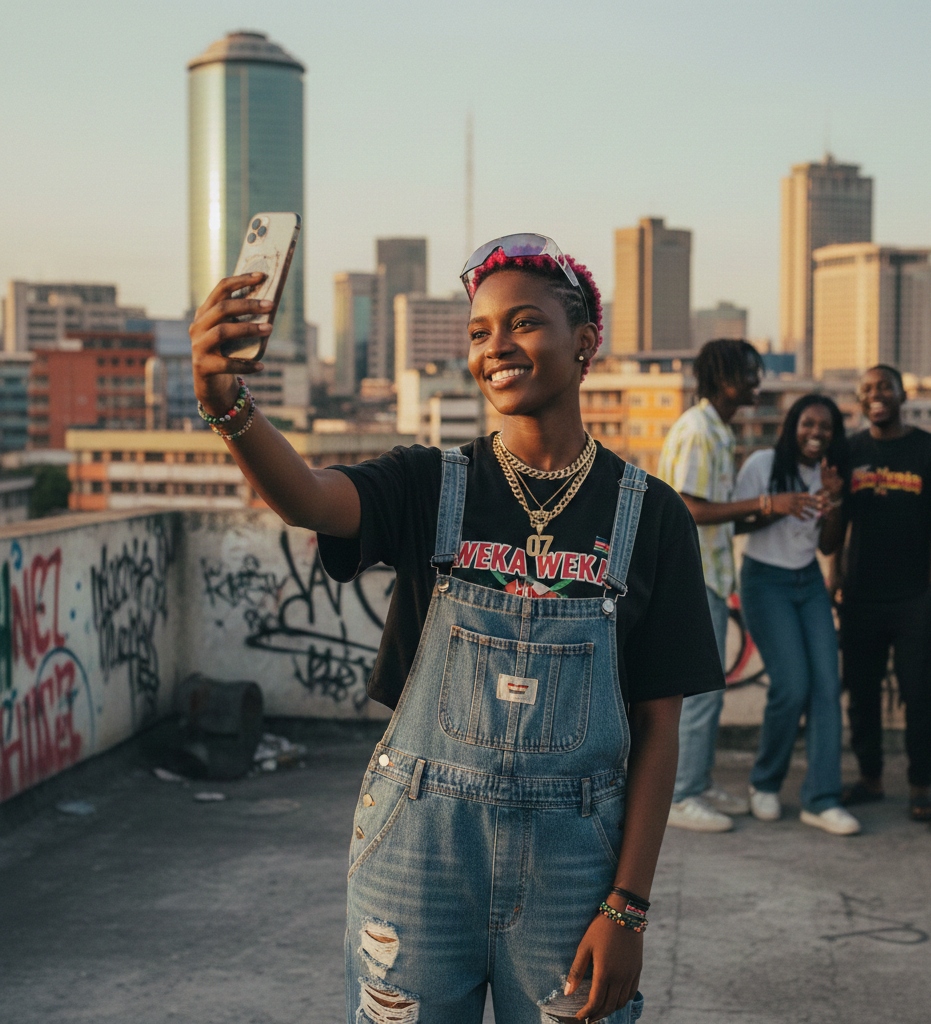
Gen Z, born from 1997 onward, has never known a world without instant information. Kevin Odhiambo, 21, a student and freelancer in Nairobi, notes: "We don’t know life without screens.
TikTok, Instagram, and AI—these are part of our learning. You have to be practical. Multiple streams of income aren’t optional; they’re survival."
Their culture is fast, fluid, and hyper-aware, with a sharp focus on authenticity, social justice, and adaptability.
The Clash of Mindsets
The contrast between these generations often creates tension.
Millennials are dreamers, optimistic about entrepreneurship, career passion, and personal branding.
Brian Otieno, a 29-year-old marketing specialist in Mombasa, describes it as "We thought passion would carry us.
Also Read: Gen Z and the Integrity Crisis: Why Fame is Outranking Values in 2026
Sometimes it did, sometimes it didn’t. But we’re resilient—we pivoted when things went wrong."
Gen Z, shaped by global crises, economic uncertainty, and rapid technological change, leans toward pragmatic realism.
Faith Wanjiku, a 19-year-old content creator in Nakuru, explains: "Authenticity matters to us more than popularity.
Survival today is about awareness and adaptability. You can’t just dream—you need strategy." This fundamental difference in mindset—idealism versus pragmatism—explains much of the tension between the groups.
Survival Strategies: Reinvention vs Adaptation
Where Millennials survived by reinvention—pivoting careers, experimenting with side hustles, and leveraging networks—Gen Z approaches life with adaptation and anticipation.
Cynthia Kariuki, a 35-year-old teacher in Kisumu, recalls: "We experimented a lot. Sometimes it worked, sometimes we failed. But each failure taught us skills we use today."
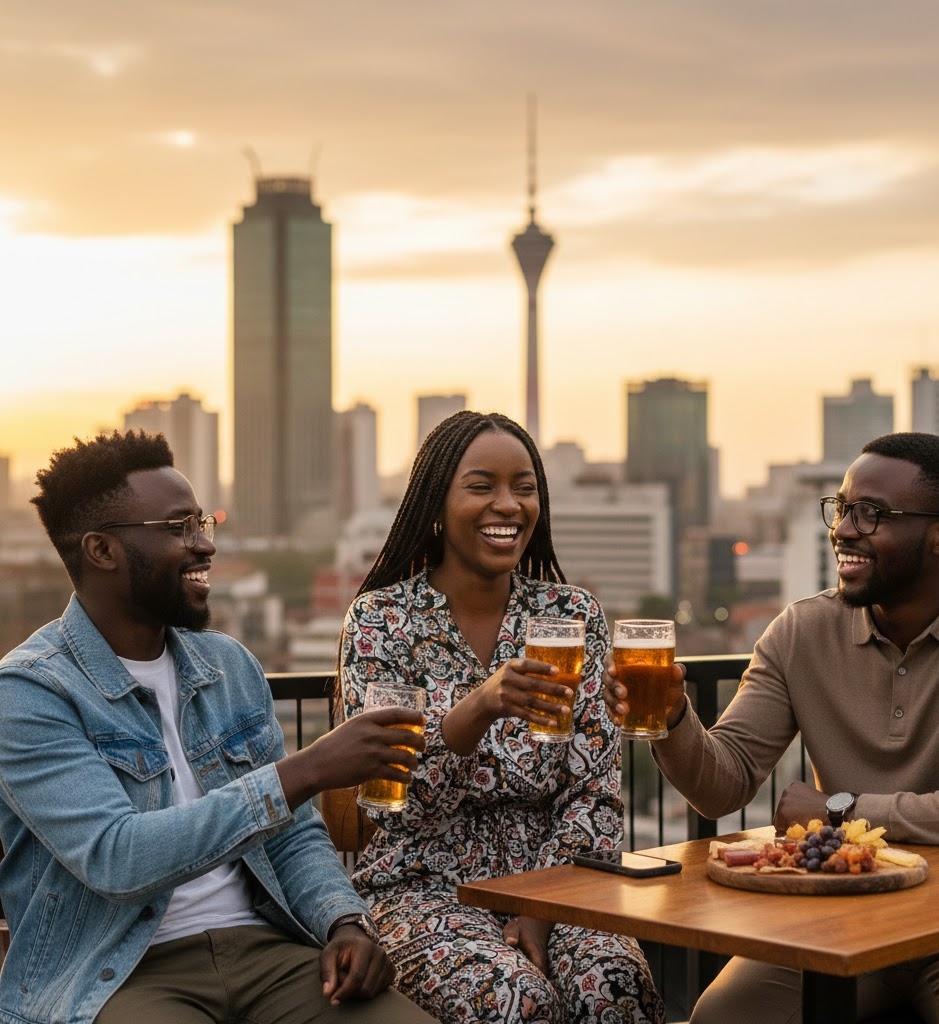
Kevin Odhiambo adds the Gen Z perspective: "We don’t wait to see what happens. We calculate, prepare, and act. Social media isn’t just a platform—it’s a toolkit for survival."
While Millennials often learned through trial and error, Gen Z studies trends, uses data, and anticipates market demands to navigate an unpredictable world.
Where Conflict Meets Collaboration
The generational clash is not just about habits—it’s about values, speed, and priorities.
Millennials value depth, collaboration, and meaning. Gen Z values efficiency, social awareness, and practical results.
The conflict arises when these approaches collide in workplaces, online spaces, or social settings.
Yet, there is synergy. Millennials teach patience, resilience, and community building, while Gen Z pushes speed, adaptability, and innovation.
Aisha Mwangi notes, "I think we complement each other. Millennials teach patience and depth; Gen Z teaches speed and adaptability."
Faith Wanjiku adds: "Exactly. We learn from them, and they learn from us. It’s not a clash—it’s a dialogue."
The Bigger Picture
Understanding the clash between Millennials and Gen Z is essential not just for cultural commentary but for business, policy, and personal relationships.
Millennials laid the groundwork for digital communities, while Gen Z is reshaping them into faster, more socially aware spaces.
Together, they define trends, survival strategies, and cultural evolution in Kenya and beyond.





Comments 0
Sign in to join the conversation
Sign In Create AccountNo comments yet. Be the first to share your thoughts!