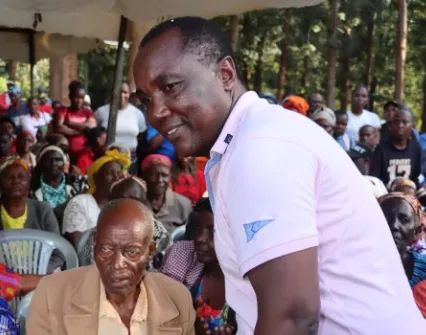
 Kirinyaga Woman Rep Njeri Maina/FILE
A proposed law seeking to end the detention of patients and deceased persons in public hospitals over unpaid medical bills has advanced to its Second Reading in the National Assembly.
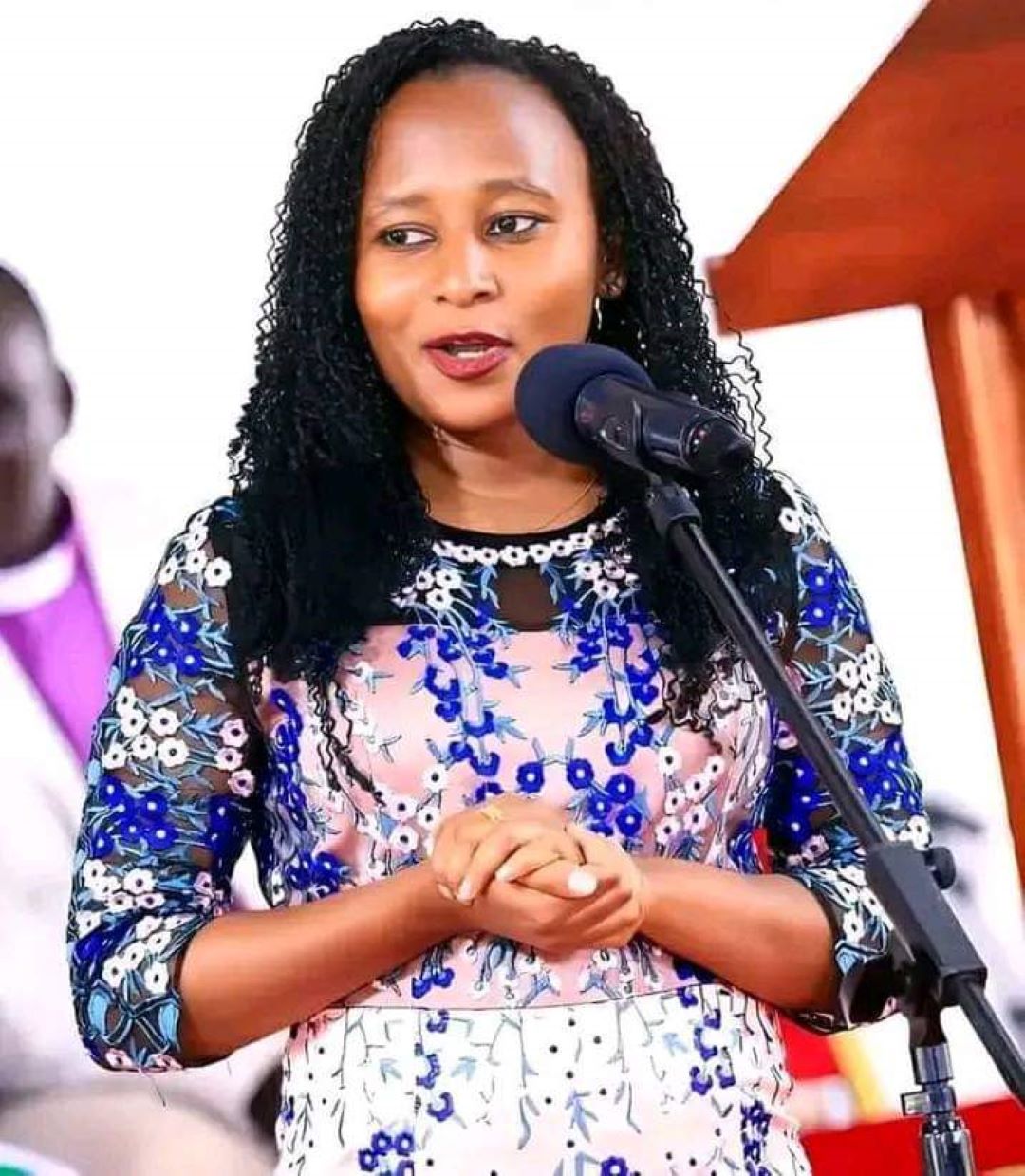
The Health (Amendment) Bill, National Assembly Bill No. 56 of 2024, is sponsored by Kirinyaga Woman Representative Jane Njeri Maina.
The Bill seeks to criminalise two practices that have long drawn public outrage: the demand for prepayment before emergency medical treatment and the detention of bodies in hospitals and mortuaries as collateral for unpaid bills.
During the second reading of the Bill in Parliament on Wednesday, Maina said the proposed amendments are intended to align Kenya’s health laws with constitutional guarantees on dignity and access to emergency care.
“The Health Amendment Bill seeks to criminalise two urgent issues affecting Kenyans: the practice of demanding prepayment before providing emergency medical treatment, and the detention of dead bodies by hospitals and mortuaries as collateral for unpaid medical bills,” she told the House.
“The current situation is insufficient and fails to ensure all Kenyans are treated equally, violating their right to dignity and access to healthcare as per the Constitution.”
The Bill proposes amendments to the Health Act (Cap 241) to give effect to Article 43(2) of the Constitution, which guarantees the right to emergency medical treatment, and Article 28, which protects the right to human dignity.
Under the proposed law, demanding prepayment before administering emergency treatment in public health facilities would attract a fine of up to Sh3 million.
Additionally, any public officer who facilitates or authorises the detention of a dead body over unpaid bills would face a fine of up to Sh2 million.
Maina said the Bill also seeks to expand the scope of emergency treatment to include care at the scene of an incident, during transportation and throughout hospital admission.
It further imposes a duty on public healthcare providers to ensure that financial constraints do not impede the provision of urgent care.
The legislator said the push for reform was informed by disturbing accounts from families unable to bury their loved ones or take newborn babies home because of unpaid hospital bills.
“Our courts, particularly the High Court, have pronounced themselves on this matter and recognised that bodies cannot be sold for profit,” she said.
“Yet hospitals and mortuaries continue to detain them, often causing emotional distress to families in order to compel payment.”
She cited a public notice issued by Kenyatta National Hospital indicating that 262 bodies remained unclaimed over the past year, with an additional 124 reported in June 2025 alone.
According to her, many of these cases are linked to families’ inability to clear hospital bills.
Maina also highlighted individual cases to illustrate the human cost of the practice. She referred to Caroline Chetu, whose body was allegedly detained at Mathare Hospital for more than two months because her two college-going sons could not raise a Sh3.3 million hospital bill.
In another case, she spoke of Kelvin, a medical student who later started a boda boda business after struggling to find employment.
He was killed in a road accident and admitted to Kenyatta University Teaching and Referral Hospital, where he accrued a bill of Sh1.42 million.
His body was reportedly detained for nearly a year at a funeral home after his mother failed to settle the amount.
“I provided pro bono legal assistance in Kelvin’s case and witnessed the heartbreak of a mother unable to bury her son with dignity,” Maina told MPs.
“This Bill is not mere rhetoric or politics. It is a crucial step towards addressing the profound suffering faced by many Kenyans.”
The detention of patients and bodies over unpaid bills has long been a contentious issue in Kenya, with rights groups arguing that the practice disproportionately affects low-income families and undermines efforts to achieve universal health coverage.
The proposed law now awaits further debate and voting in the National Assembly before it can proceed to the next legislative stage.