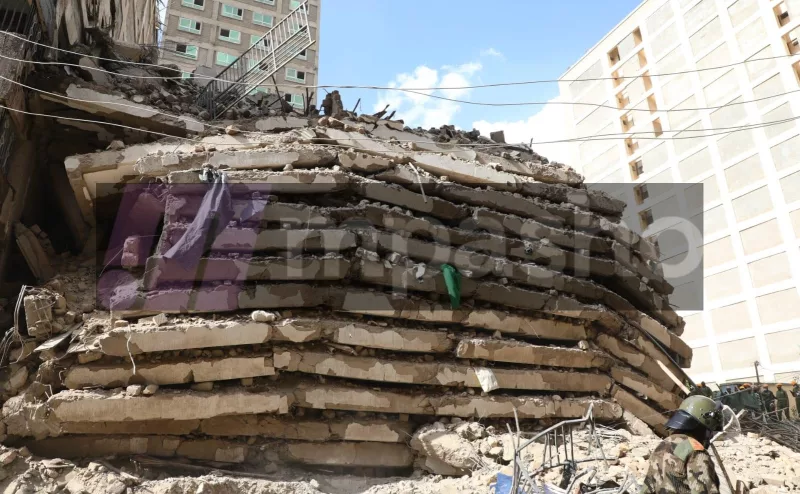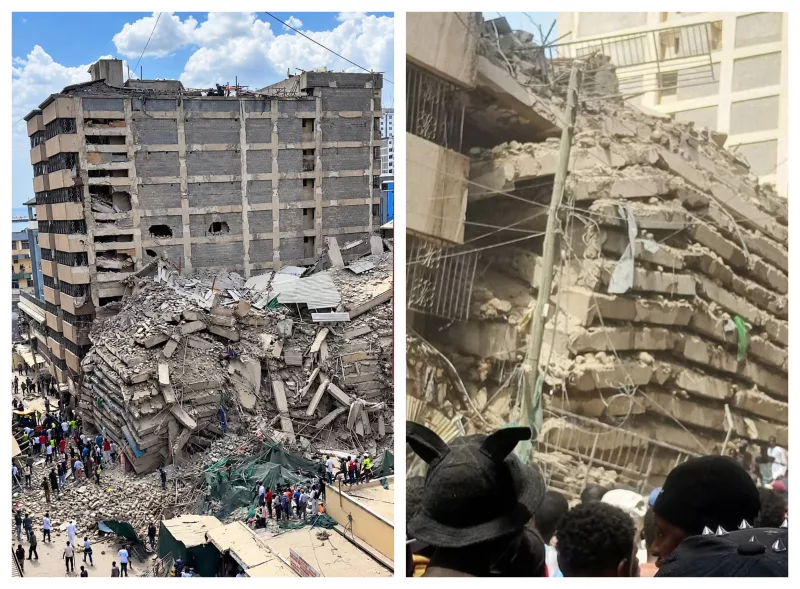
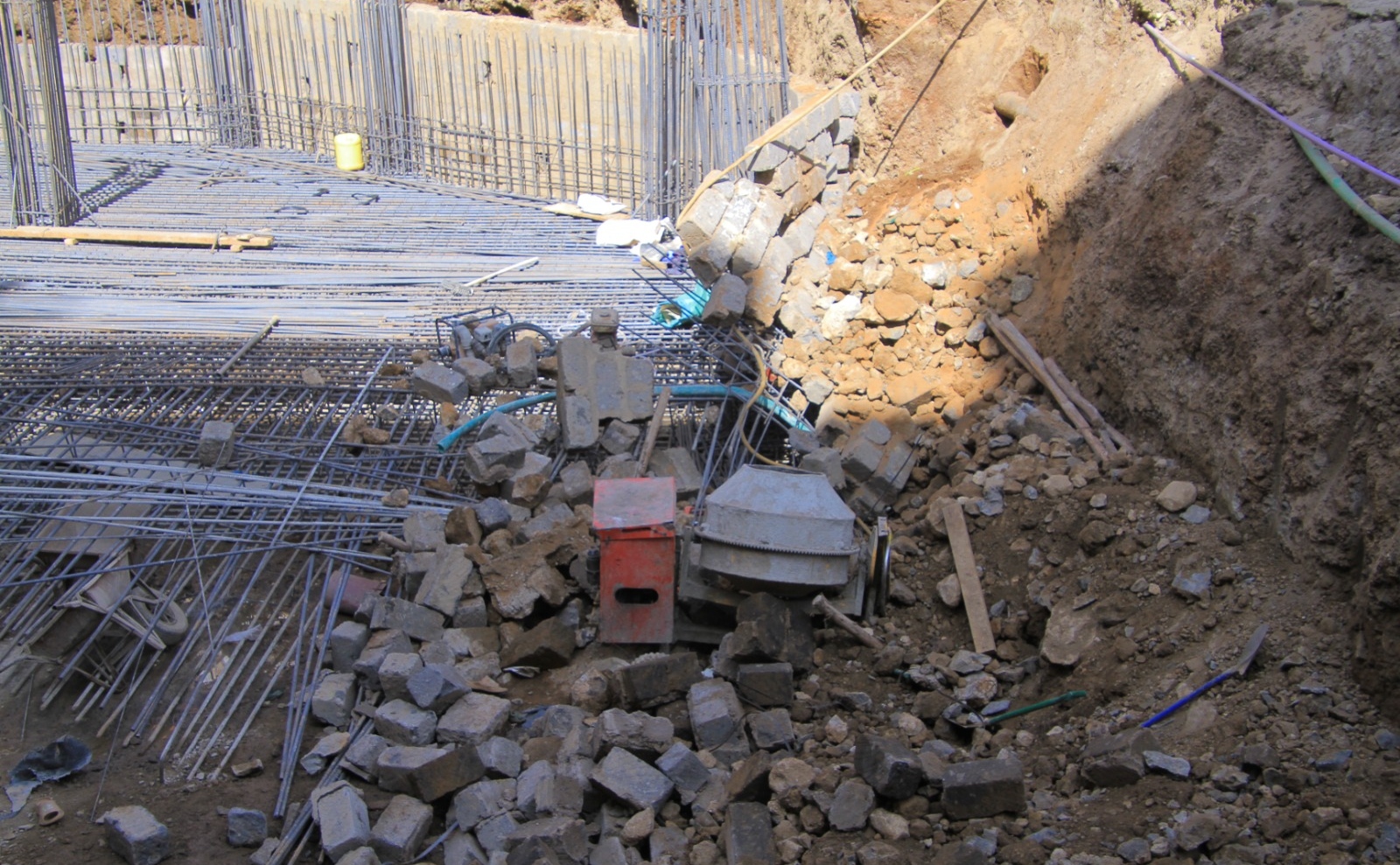
A building under construction collapsed early Wednesday morning in Nairobi’s busy OTC area, leaving at least six people injured, according to initial reports.
The structure, located near the Kirinyaga Road junction, came down at dawn as the city was beginning to wake up.
Emergency responders and police arrived at the scene shortly after the incident occurred. The Kenya Red Cross has since confirmed that the situation is contained. All six individuals caught in the debris have been accounted for.
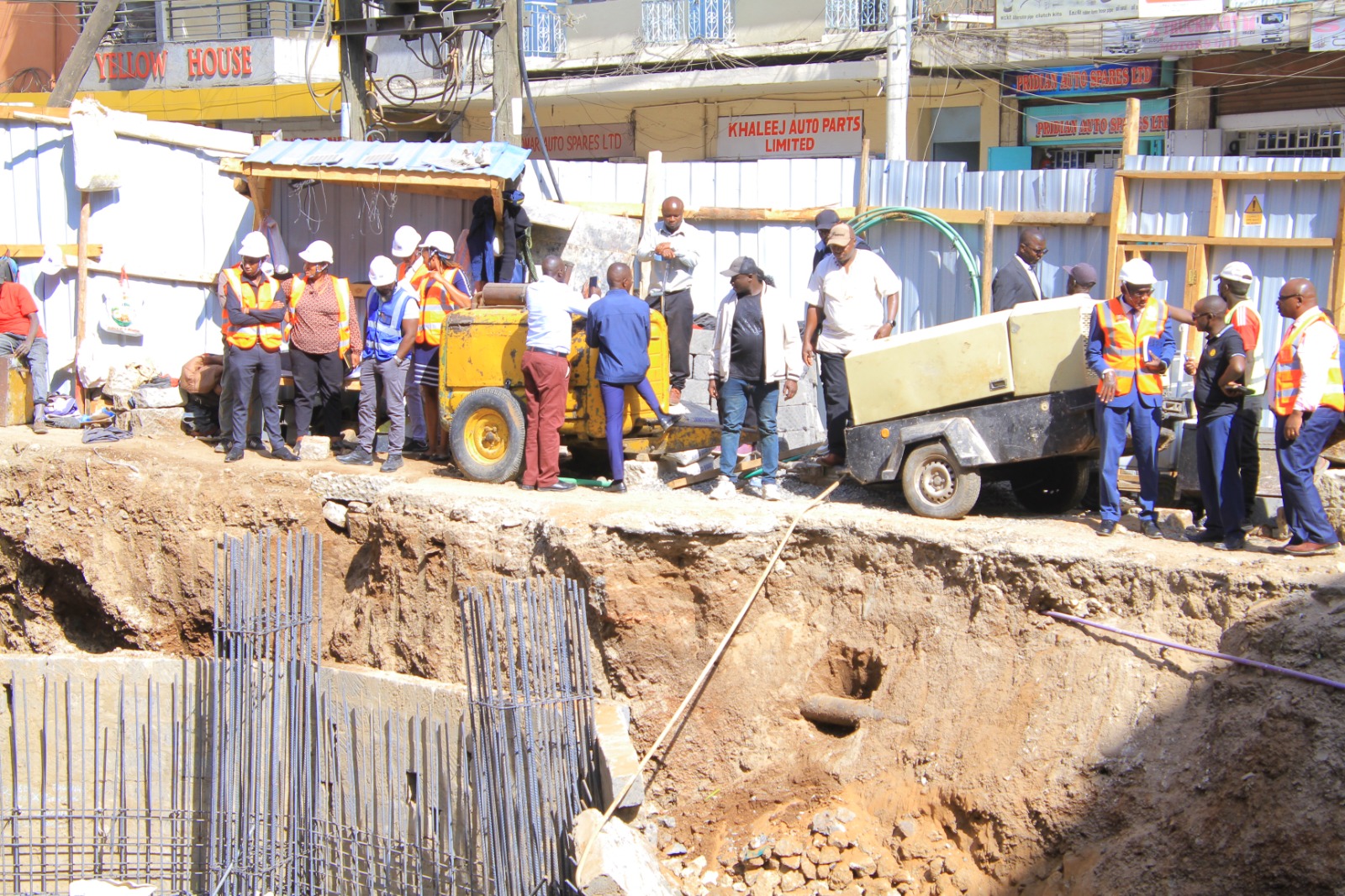
Dawn disaster at OTC
The timing of the collapse likely prevented a much higher casualty rate. Because the incident happened so early, only a few staff members were on-site. These included the night security team and a few workers who had arrived for the early shift.
Rescuers worked quickly to pull the survivors from the twisted metal and concrete. According to reports from the scene, the six injured workers were stabilized and rushed to nearby hospitals for urgent treatment.
The "Hot Potato" of Responsibility
While the exact cause of this collapse is still under investigation, the incident has immediately reignited a fierce debate over construction safety in Kenya. Authorities are facing fresh questions about how such a structure was allowed to reach this stage if it was unsafe.
ALSO READ: List of buildings that have collapsed in 2022
This disaster comes just three weeks after a major public forum, known as a baraza, was held to discuss the rising tide of construction failures in the country. During those discussions, experts described the issue of safety as a "hot potato of responsibility."
There is often confusion over who holds the ultimate blame when a site fails. Is it the engineer, the architect, the surveyor, or the site manager? Many also point the finger at the National Construction Authority (NCA) for failing to enforce strict building codes.
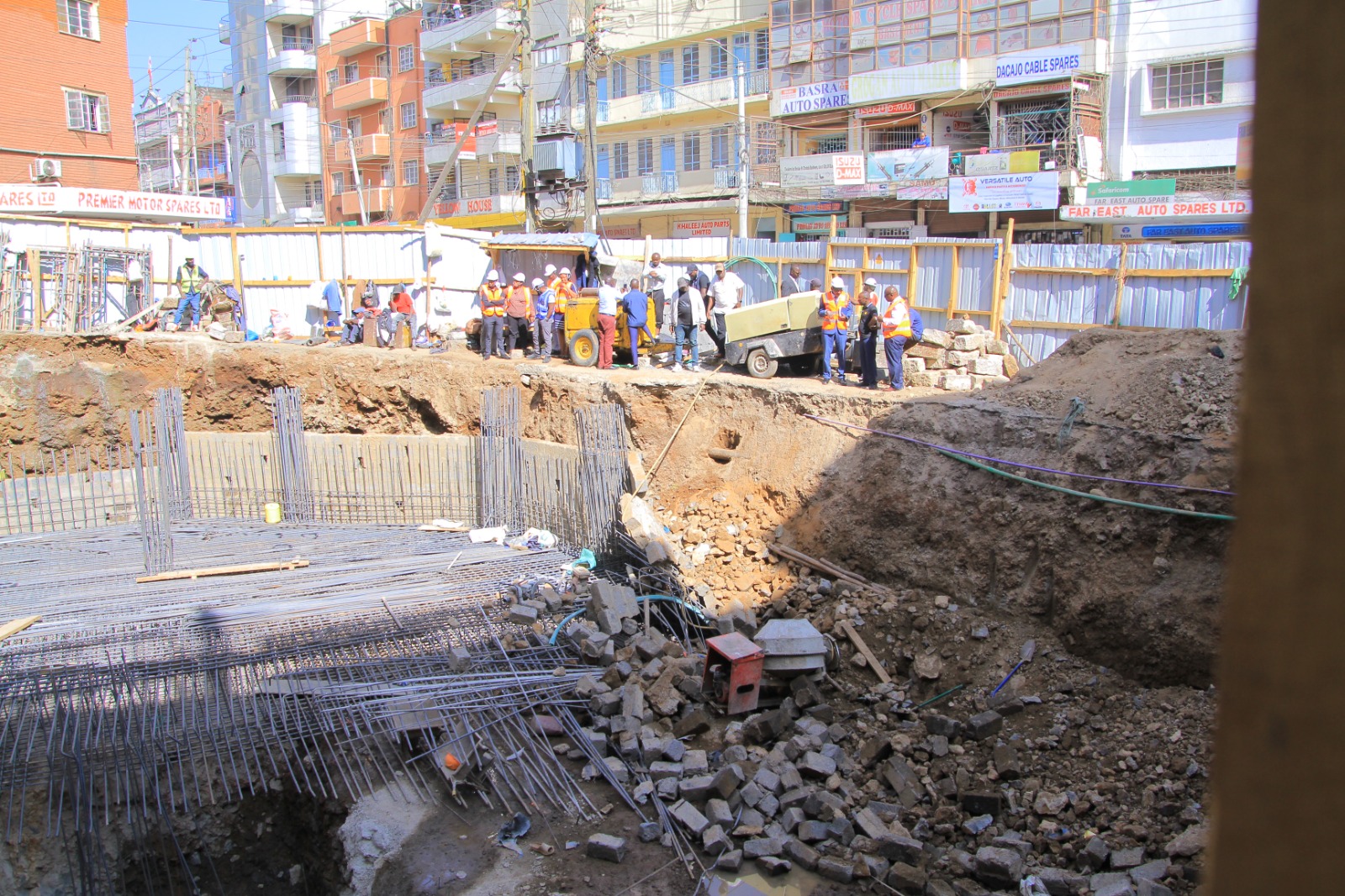
A Growing Crisis in the Capital
The collapse at the Kirinyaga Road junction is not an isolated event. Nairobi has been plagued by similar disasters over the last decade.
In 2016, the collapse of a residential building in the Huruma estate killed over 50 people following heavy rains. More recently, in 2022, several buildings under construction in areas like Ruaka and Kasarani also came down, leading to multiple fatalities.
The National Construction Authority previously stated that thousands of buildings in Nairobi are "unsafe" and fit for demolition. However, many of these structures remain standing due to legal battles or lack of enforcement.
Renewed Scrutiny
For now, the site along Kirinyaga Road remains cordoned off as investigators begin their work. This latest failure is expected to lead to a crackdown on "rogue" developers who bypass regulations to save on costs.
The Nairobi County government has yet to issue a formal statement on whether this specific building had been marked with an "X" for demolition prior to the collapse.
For the residents and traders near OTC, the morning was a grim reminder of the risks posed by the city's rapid and sometimes unregulated growth.