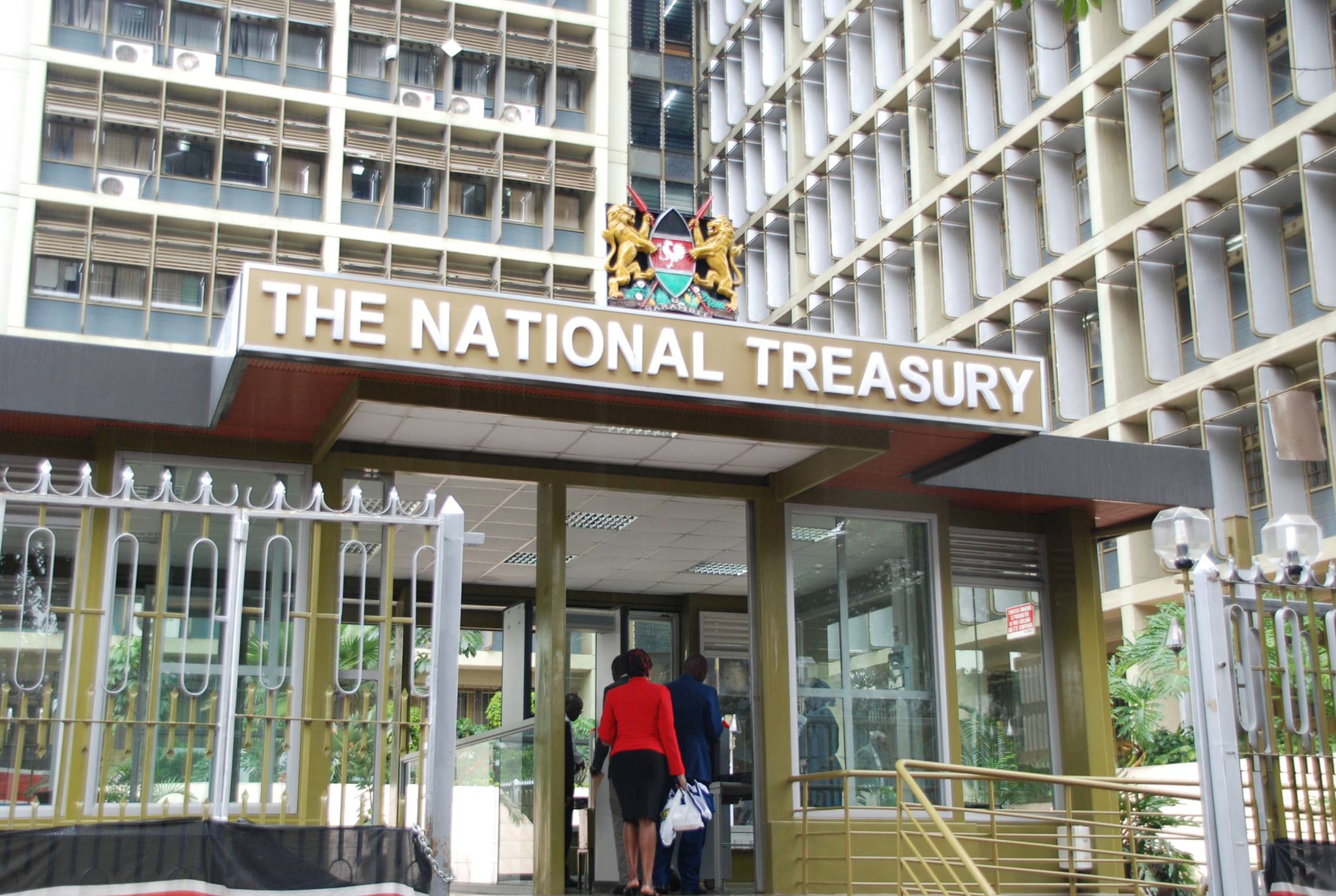
A state-commissioned review of the country’s public procurement has revealed a system without proper rules, starved of data, and rigged against public accountability.
A new report by the Public Procurement Regulatory Authority (PPRA) show procurement is complex and opaque.
As such, it wastes public money, discourages honest business, and protects the corrupt.
The 2024 assessment report says Kenyans get no value for money in the flawed structure.
Besides, the report says the purchases systems are wired to discourage competition and protect corrupt practices.
In blunt findings published by the agency, the report details how the system is paralysed by the rules designed to manage it.
“The large number of procurement methods and approaches means that it is complicated to select the right one and apply it properly,” the report states.
“As a result, practitioners become inclined to focus on formal details more than on economy, efficiency and transparency.”
It emerged that officers are often busy following many procedures instead of striving to give the public value for money.
The report says the choice of procurement method cannot be appealed, giving officers leeway to choose non-competitive processes.
It was established that transparency is also deficient, as many entities don’t publish procurement plans, tender notices, and contract awards for public scrutiny.
"Only about 73 per cent of major procuring entities publish tender notices as required," the report reads.
This means more than a quarter of major contracts begin in the dark, severely limiting competition.
Furthermore, "contract amendments and variations often go unreported”.
As such, the final, often more expensive, deal diverges from the one originally advertised.
“The actual disclosure of information does not meet the requirements,” the report reads in part.
It was established that compliance is so low that the data that does exist is useless for understanding what’s really happening.
“The information system is therefore not yet quite accurate and comprehensive enough to fully meet the needs for monitoring how the public procurement system actually works, whether in the individual or the general case, nor can it serve as a reliable basis for policy making,” the report adds.
This means that the public, and even senior officials, cannot see where the money goes.
"Incomplete reporting makes it difficult to analyse system performance or identify corruption."
Kenya has come a long way in nipping procurement graft in the bud, with billions lost and little to show for arrests and recoveries.
In June 2018, President Uhuru Kenyatta ordered all heads of procurement and accounting units to proceed on compulsory leave.
The directive was, however, successfully challenged in court, which eventually suspended the orders.
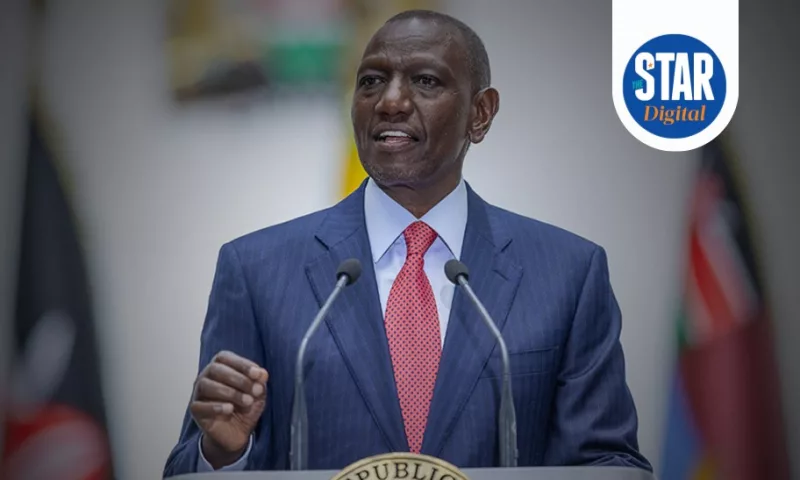
President William Ruto has mandated the use of a unified electronic government procurement (EGP) system for all state departments and counties.
He says the idea, which has met a huge resistance from key players and agencies, is to eliminate corruption, increase transparency, and reduce inefficiencies. The compliance levels are tellingly very low as documented in other PPRA reports.
Besides flawed purchases, the review also established that the complaints system is designed to fail.
It was established that whistleblowers face exorbitant fees to file a complaint against a corrupt and unfair tender through the official channel.
To file a complaint with the Public Procurement Administrative Review Board (PPARB), a company or supplier must pay a significant, non-refundable fee.
“High fees discourage complaints,” the report notes, labelling the situation as a red flag for remedying fraud.
“There is a high risk of failure to remedy fraud and corruption,” it adds, meaning the system actively silences the very people who could expose its problems.
A staffing crisis has worsened the flaws. It was established that only 100-200 complaints are filed annually for a system overseeing more than 34,000 procuring agencies.
The PPRA labels the situation a critical failure, directly linking it to reduced "integrity of the public procurement system."
It has also emerged that there is a shortage of procurement professionals in the country.
Kenya has an estimated 34,500 public procuring entities, from ministries to tiny rural primary schools.
Yet, there are only about 3,000 certified procurement professionals nationwide.
This means most entities are trying to follow complex national laws without qualified staff.
“The wide definition means that many procuring entities, such as primary and secondary schools, are very small and do not have the resources to exercise their rights and obligations fully,” the report notes.
In essence, they are set up to fail from the start.
“"Payment delays are widespread, with many invoices paid beyond the 60-day legal limit,” the assessment states. “This creates a high risk of suppliers not able to deliver, disincentive to participate,” the report adds.
The experts observed that good businesses are driven away, leaving the field to those who can afford to wait or those who pay bribes to get their invoices processed.
The report has 14 recommendations for reform, including the enhancement of the e-procurement system to cover all spending entities.
The government is in the early, rocky stages of rolling out a mandatory national e-procurement system (e-GP) meant to fix these gaps.
The report confirms long-held suspicions about systemic waste in a sector that managed over Sh262 billion in reported contracts last year alone.
It prescribes solutions, including making the legal framework simple to eliminate contradictions, improving staffing at agencies, and abolishing high complaint fees.
The World Bank-sponsored survey recommends that agencies make asset declarations of public officers public and ensure they are properly verified.