 At key pick-up points, crowds surged each time a matatu appeared, triggering near stampedes as commuters fought for limited seats. /EMMANUEL WANJALA
Nairobi commuters were left stranded Monday morning after public service vehicle operators resumed their strike, defying an earlier decision to suspend industrial action for two weeks to allow negotiations with the government and security agencies.
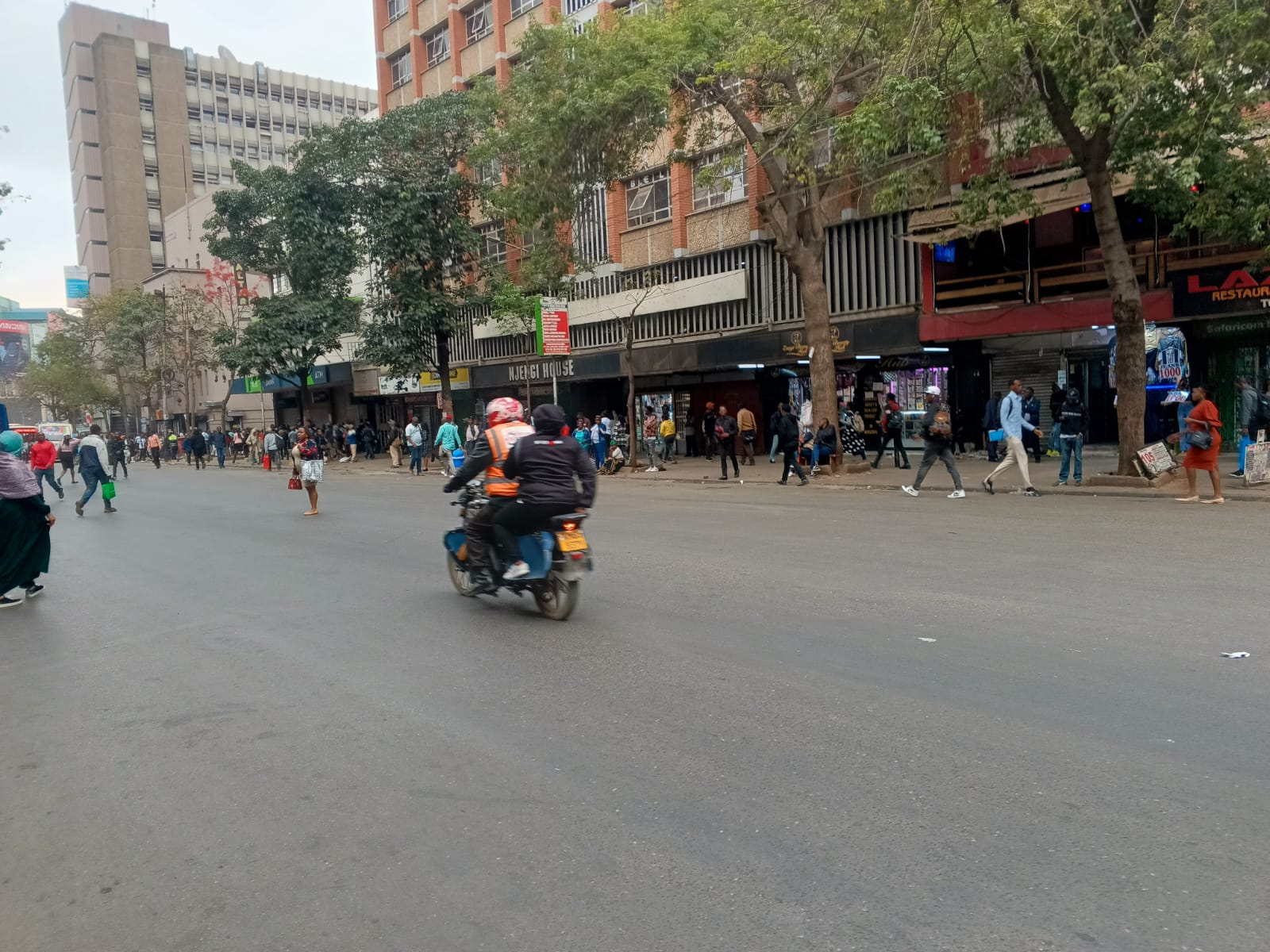
The second round of weekly protests saw most matatus stay off the roads, paralysing transport across the city and leaving thousands scrambling for the few vehicles that were operating.
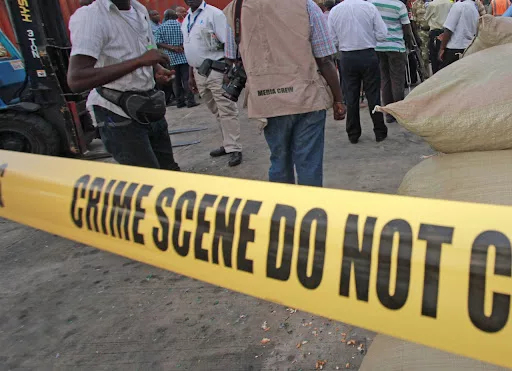
The operators are demanding firm police action against rogue boda boda riders accused of torching vehicles and attacking crews following road accidents.
The Matatu Owners Association had on Saturday announced a temporary suspension of the strike after meeting police officials, who promised to crack down on criminals targeting public transport vehicles.
According to the association, investigators had already gathered evidence and identified individuals allegedly involved in the attacks.
"We have had deliberate engagement, and while some things are still unresolved, we have agreed to suspend the Monday strike and move forward as we address the matters," said an official during a press briefing on Saturday citing goodwill on their part.
However, Peter Murima from the Motorists Association of Kenya warned that operators would be on standby to take action should one more matatu be torched.
"This decision has been informed by the seriousness we have seen from the government that action will be taken," he said, reaffirming that anyone found culpable of torching vehicles would be charged.
The announcement briefly reassured commuters who had endured a similar shutdown the previous Monday, when many were forced to walk long distances to work.
But by early Monday, scenes of chaos had returned. Major termini in the central business district quickly filled with long, slow-moving queues as anxious passengers waited for hours.
At key pick-up points including Archives, Latema Road, OTC, Bus Station, Commercial and Tom Mboya Street, crowds surged each time a matatu appeared, triggering near stampedes as commuters fought for limited seats.
Some passengers opted to walk to their destinations rather than wait, while others turned to expensive ride-hailing services.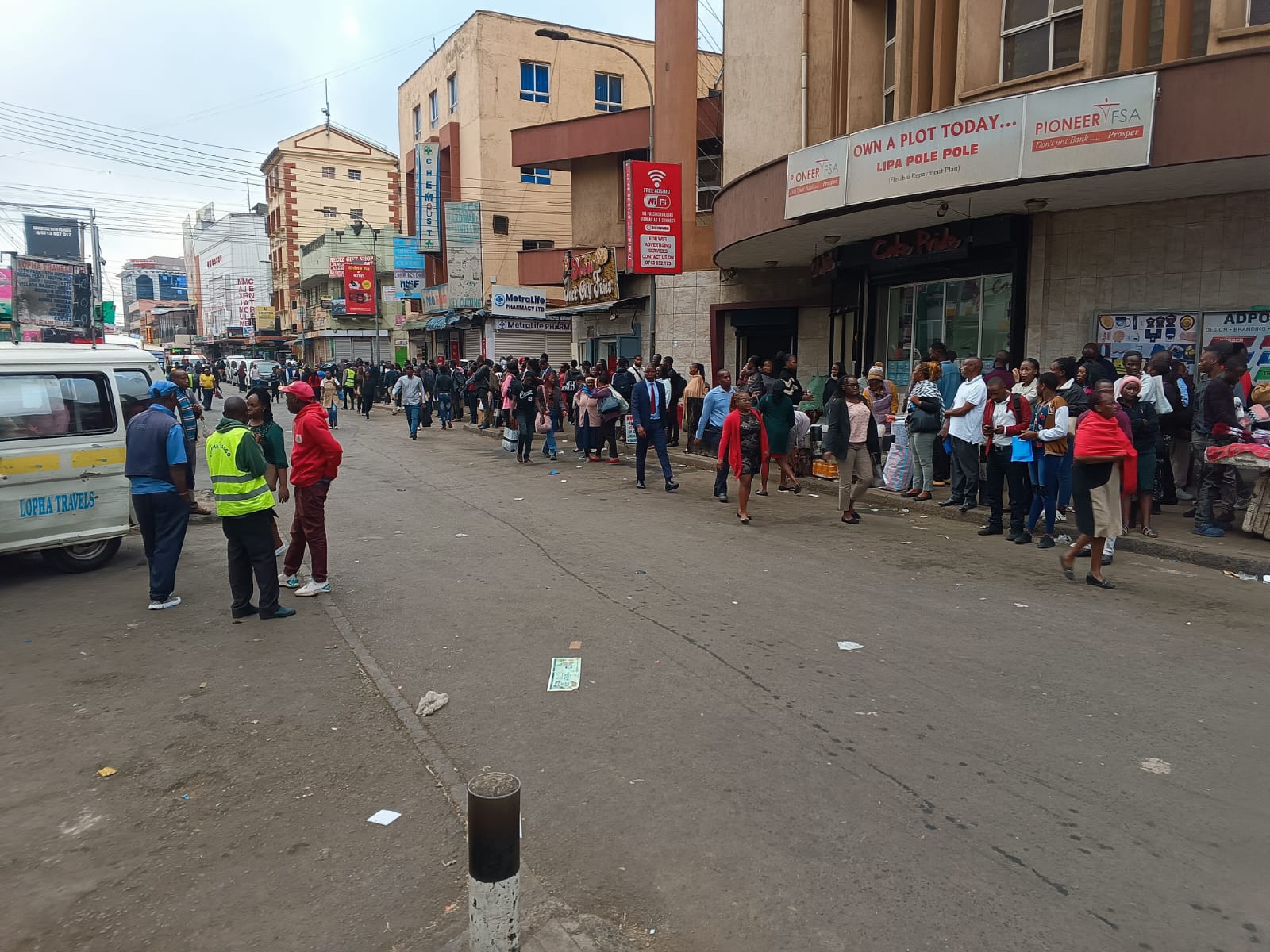 At key pick-up points, crowds surged each time a matatu appeared, triggering near stampedes as commuters fought for limited seats. /EMMANUEL WANJALA
The situation was compounded by heavy traffic on inbound feeder roads such as Waiyaki Way, Thika Road, Mombasa Road and Jogoo Road.
With fewer vehicles in operation, the available matatus took longer to reach the city centre, reducing turnaround time and worsening the backlog of stranded passengers.
Workers, students and traders were among those most affected, with many arriving late to their destinations.
Some operators cashed in on the situation and hiked fares, charging an already frustrated lot double.
Operators insist the withdrawal of services is meant to pressure authorities to guarantee their safety, arguing that crews and passengers remain vulnerable to violent retaliation from boda boda groups after accidents involving motorcycles and matatus.
There was cautious optimism, however, that the disruption could ease as the day progressed as happened last week.
Industry insiders expressed hope that some saccos that had withheld their fleets would gradually release vehicles back onto the roads as talks with security agencies continue.
For now, thousands of Nairobians face yet another uncertain commute, highlighting the city’s heavy dependence on matatus and the fragile balance between transport services and security concerns.