The Law Society of Kenya (LSK) has announced a multi-agency intervention aimed at supporting victims of alleged sexual harassment within the legal profession.
The move follows a surge in complaints involving advocates and law firms across the country.
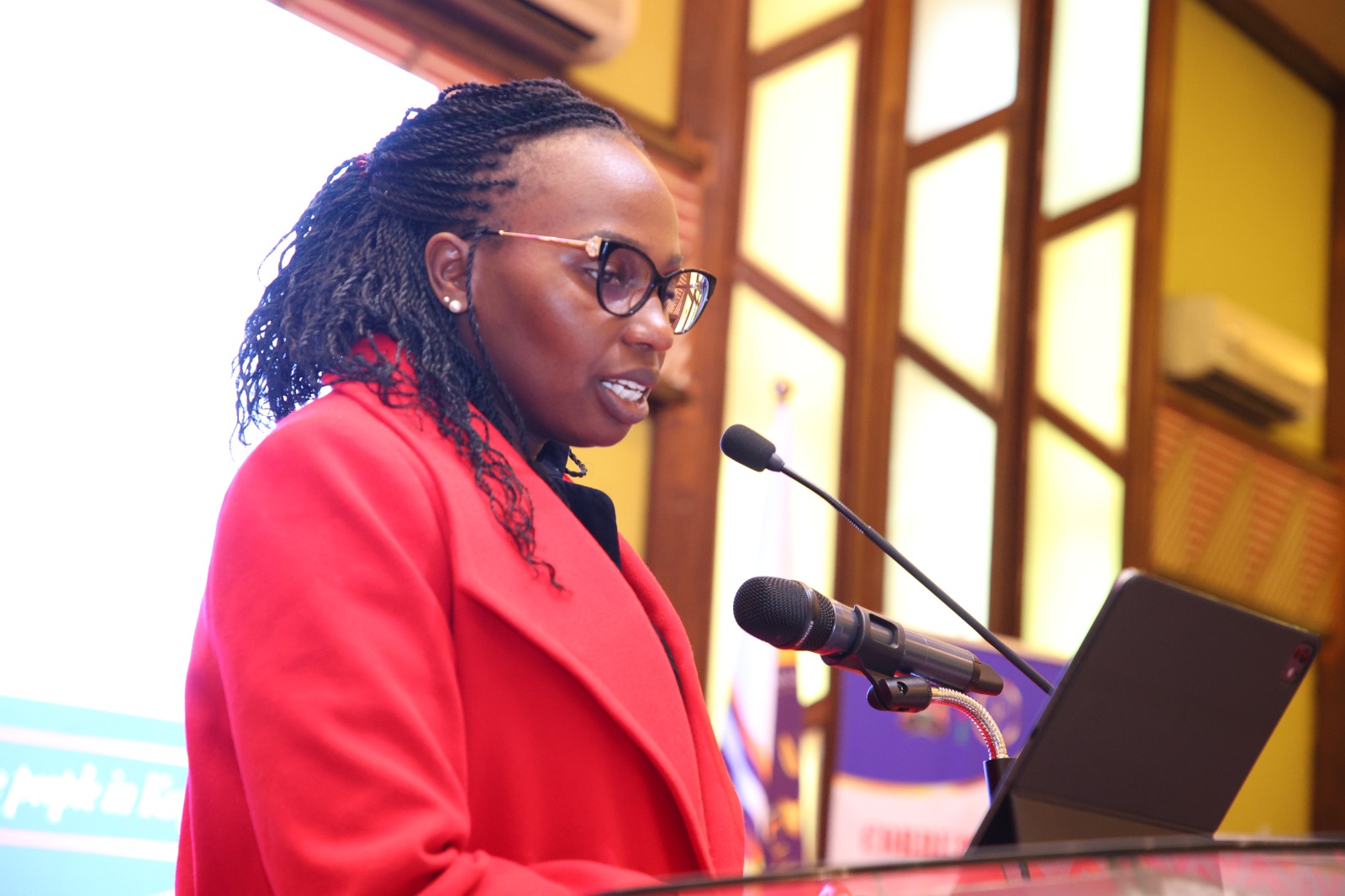
In a statement, LSK President Faith Odhiambo said the society will collaborate with the Advocates Benevolent Association (ABA) to provide free counselling sessions through registered therapists to victims who come forward with complaints of sexual harassment.
“We will be collaborating with the Advocates Benevolent Association to provide free counselling sessions through registered therapists to affected members of the profession,” Odhiambo said.
She noted that the move is intended to address the psychological and social impact of harassment on victims.
She added that LSK will also work closely with its partners, FIDA-Kenya, to handle and complete investigations into reported cases, while seeking the support of the Witness Protection Agency (WPA) to ensure the safety of vulnerable complainants.
“We believe that this approach will provide the holistic support necessary in managing both social and psychological effects of harassment and related trauma,” Odhiambo said.
The LSK president said the society has taken note of a recent spike in complaints of alleged sexual harassment involving members of the legal profession, many of which have been shared on social media platforms.
According to Odhiambo, a significant number of the reported cases involve associates, interns and pupils in law firms, as well as young professionals working in non-governmental organisations.
“These complaints indicate a worrying trend of abuse of power by senior colleagues against junior, vulnerable members of the profession,” she said.
Odhiambo, who is also a member of FIDA-Kenya, said she joins colleagues in strongly condemning what she described as “wanton sexual harassment” targeting young professionals, both male and female.
“It is regrettable that the profession tasked with upholding the rule of law continues to grapple with this endemic vice that has disadvantaged thousands of Kenyans in the workplace,” she said.
She noted that concerns around sexual harassment in the profession have persisted for years, often without decisive action.
“The emerging concerns have been endured for too long, and the conversation on how to end it has been shied away from too many times,” Odhiambo said. “Let us take this moment to aggressively and collectively fight off this menace and create a safe and fair practice environment for all professionals.”
Odhiambo also reminded members that the Society has an existing framework to deal with such misconduct through the Sexual Harassment and Anti-Bullying Policy (SHABP), which was adopted at the LSK Annual General Meeting in 2019.
The policy seeks to promote safe and respectful professional spaces, foster zero tolerance towards harassment and bullying, and provide clear mechanisms for prevention, reporting and redress.
“The SHABP outlines an elaborate process for lodging complaints relating to sexual harassment either at the Advocates Complaints Commission or the Advocates Disciplinary Tribunal,” she said.
She referenced a recent decision by the Advocates Disciplinary Tribunal dated November 27, 2025, involving a complaint against an advocate who had been mentioned in allegations by 22 colleagues.
While the complaint was processed with support from the LSK Gender Committee, only one complainant ultimately joined the case. The tribunal ruled that it lacked jurisdiction, finding that sexual harassment is a criminal offence that should be prosecuted through criminal justice channels.
Despite this, Odhiambo said LSK maintains that allegations of sexual harassment must first be pursued through its internal disciplinary mechanisms. At the same time, she urged victims to report such cases to the police so that perpetrators can face criminal liability.