Kisumu was the first stop for the national committee overseeing implementation of the NADCO report and the Ten-Point Agenda, as the team begins countrywide public hearings ahead of the March 7 deadline to conclude its work.
The committee, led by chair Agnes Zani, said the forums are meant to collect views from members of the public and stakeholders on progress, gaps and priorities in delivering key governance, economic and social reforms agreed upon by President William Ruto and the late ODM leader Raila Odinga.
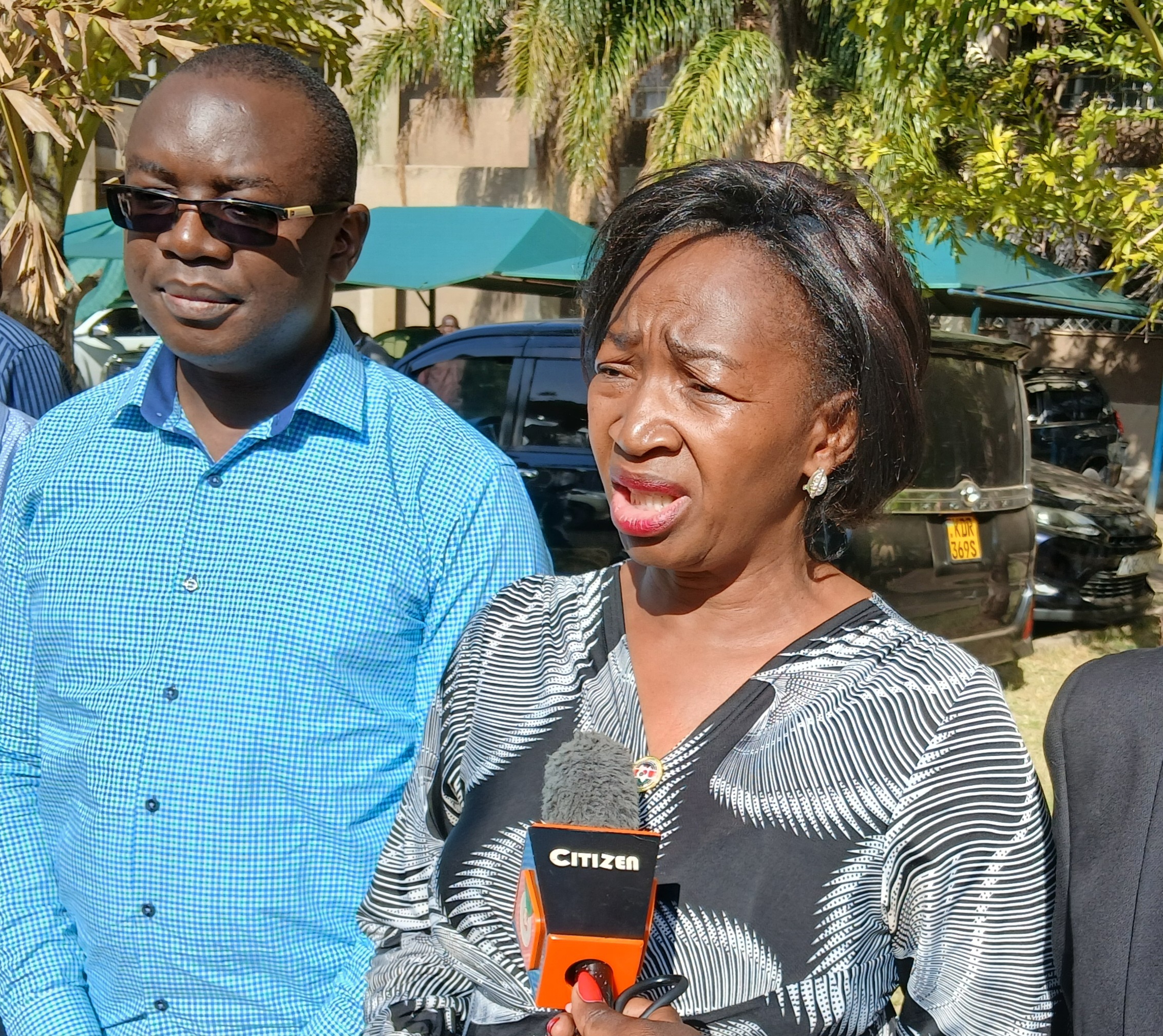
Speaking during a courtesy call at the office of Kisumu Deputy Governor Mathew Owili, Zani said the committee’s mandate was to track implementation of the NADCO report and engage Kenyans directly on the 10 priority areas, which include inclusivity, protection of devolution, leadership and integrity, youth empowerment, the right to peaceful assembly, and the fight against corruption.
“As we move into the counties, we want to identify where the gaps are, especially in protecting devolution, and how they can be addressed,” she said.
She emphasised that leadership and integrity were central to tackling corruption, while youth inclusion required both economic and social stimulus programmes.
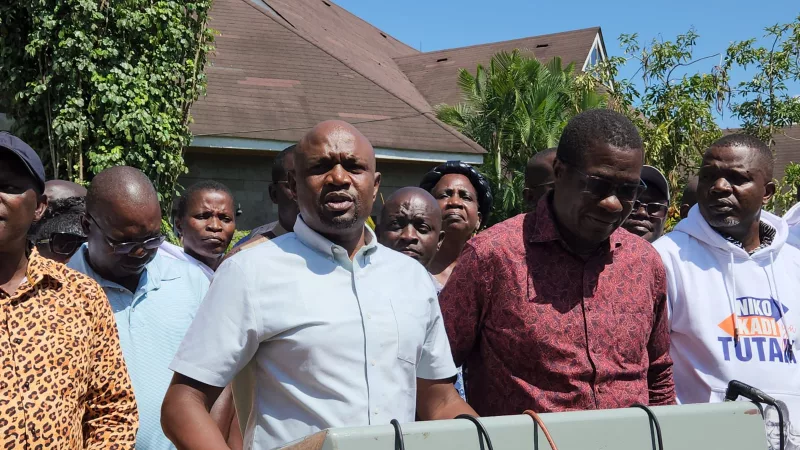
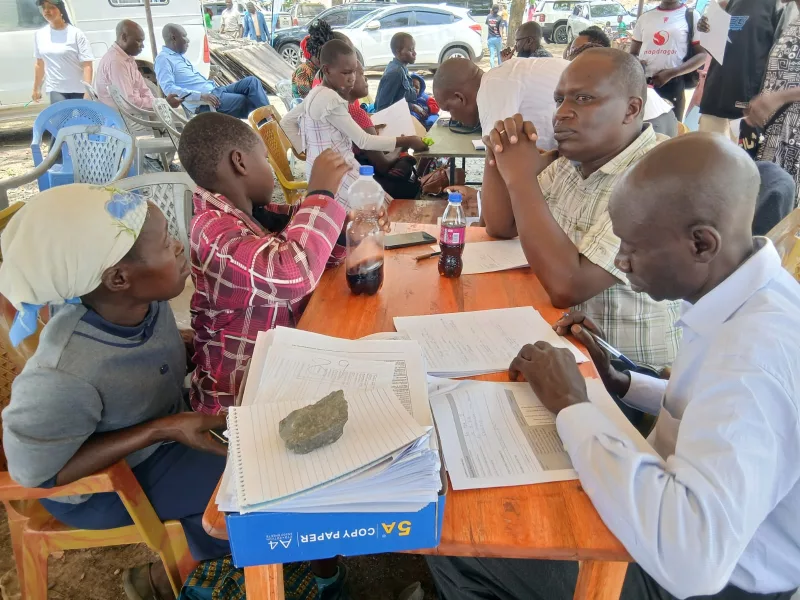
Zani said the committee would hold a public forum at Mama Grace Onyango Social Centre in Kisumu, where residents will present their views.
She added that the team was working with implementing agencies to assess progress and recommend solutions where programmes have stalled.
She dismissed claims that the committee was inactive in some quarters.
“The committee is here, we are engaging stakeholders, county governments, and the public and implementing agencies. Our goal is full implementation of the NADCO report,” she said.
The deputy governor welcomed the team, terming Kisumu’s selection as the first venue significant given the region’s historical role in national political discourse.
“The NADCO report and the Ten-Point Agenda were born out of the need to bring the country together at a time when there was great division,” Owili said.
“It is important that we push through with implementation so that the issues raised from both sides of the political divide are resolved and Kenya can move on together,” he added.
He singled out corruption, inclusivity and strengthening devolution as sticky issues that require urgent attention, adding that victims of past post-election violence in the region were still awaiting compensation, a matter captured in the agenda.
Owili also praised President Ruto’s support for the process, saying national unity efforts should be embraced across the political divide.
Committee member Javas Bigambo urged civil society groups, the media and members of the public to participate actively in the hearings.
“We want critical views and recommendations that will help in strengthening devolution, fighting corruption and reducing wastage of public resources,” he said.
Member Gabriel Oguda said COIN-10 was the only body legally mandated to oversee implementation of the Ten-Point Agenda, cautioning the public against relying on unofficial scorecards or reports circulating in the media.
“If you see anyone purporting to assess implementation outside this committee, refer them to us,” he said, adding that the team aims to complete its work and present a final report by March 7.
Committee member Fatuma Ibrahim Ali defended the team’s work and criticised leaders who, she said, were undermining the process instead of mobilising members of the public to submit their views.
She took issue with ODM Secretary General Edwin Sifuna, who has criticised the committee for the slow pace in the implementation of the Ten-Point Agenda, asking him to take advantage of the public engagements and present his views.
“We are travelling across regions because we do not want to write a report from offices. We want to hear directly from Kenyans,” she said, urging politicians to support the public participation process.
COIN-10 youth representative Kevin Kiarie said the spirit behind the Ten-Point Agenda was to foster long-term national unity beyond electoral cycles.
“These issues go beyond 2027 and even 2032. Without unity, the Ten-Point Agenda will be useless,” he said.
The Kisumu forum marks the start of a nationwide schedule of public engagements that will see the committee visit all regions before compiling its final recommendations on the implementation status of the NADCO report and the Ten-Point Agenda.