
President William Ruto has announced significant proposed changes to Kenya’s income tax system that would exempt low‑income earners from paying Pay‑As‑You‑Earn (PAYE) tax and reduce tax rates for others earning modest salaries.
The proposals are expected to be tabled in Parliament for approval once the National Assembly resumes sittings.
The planned changes are part of government efforts to ease the financial burden on Kenyan workers amid ongoing concerns about cost‑of‑living pressures.
According to official statements, the reforms would affect millions of salaried workers across the country.
What the President Announced
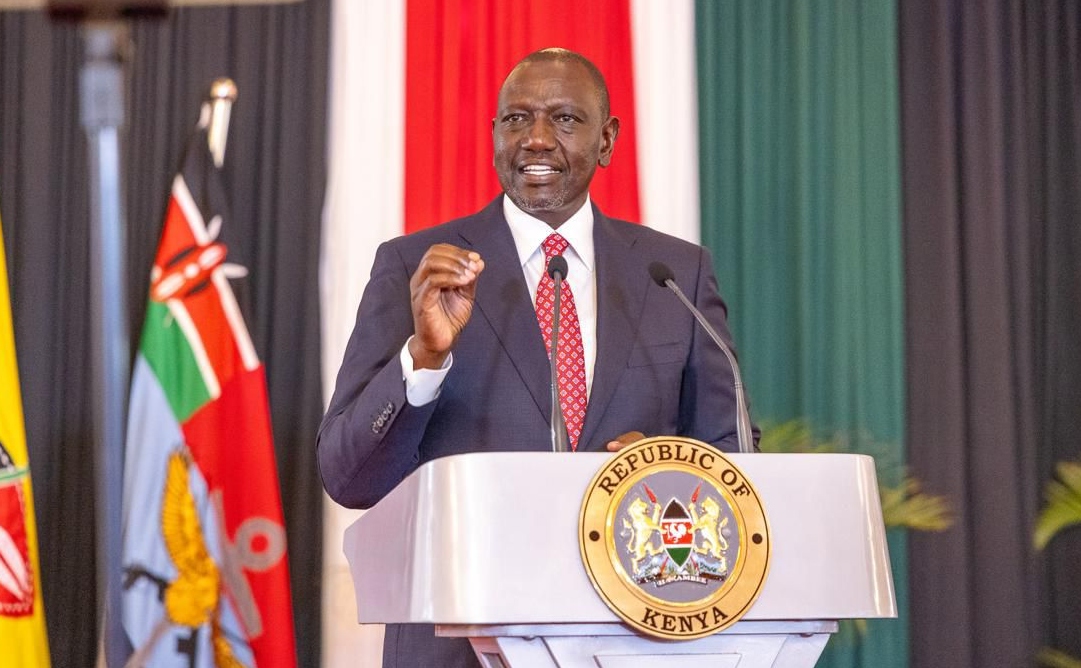
Speaking on Wednesday, 4 February 2026, at the UDA Aspirants Forum at State House in Nairobi, President Ruto outlined the key elements of the proposed tax reforms:
“Any Kenyan earning up to Sh30,000 [will] no longer pay tax.”
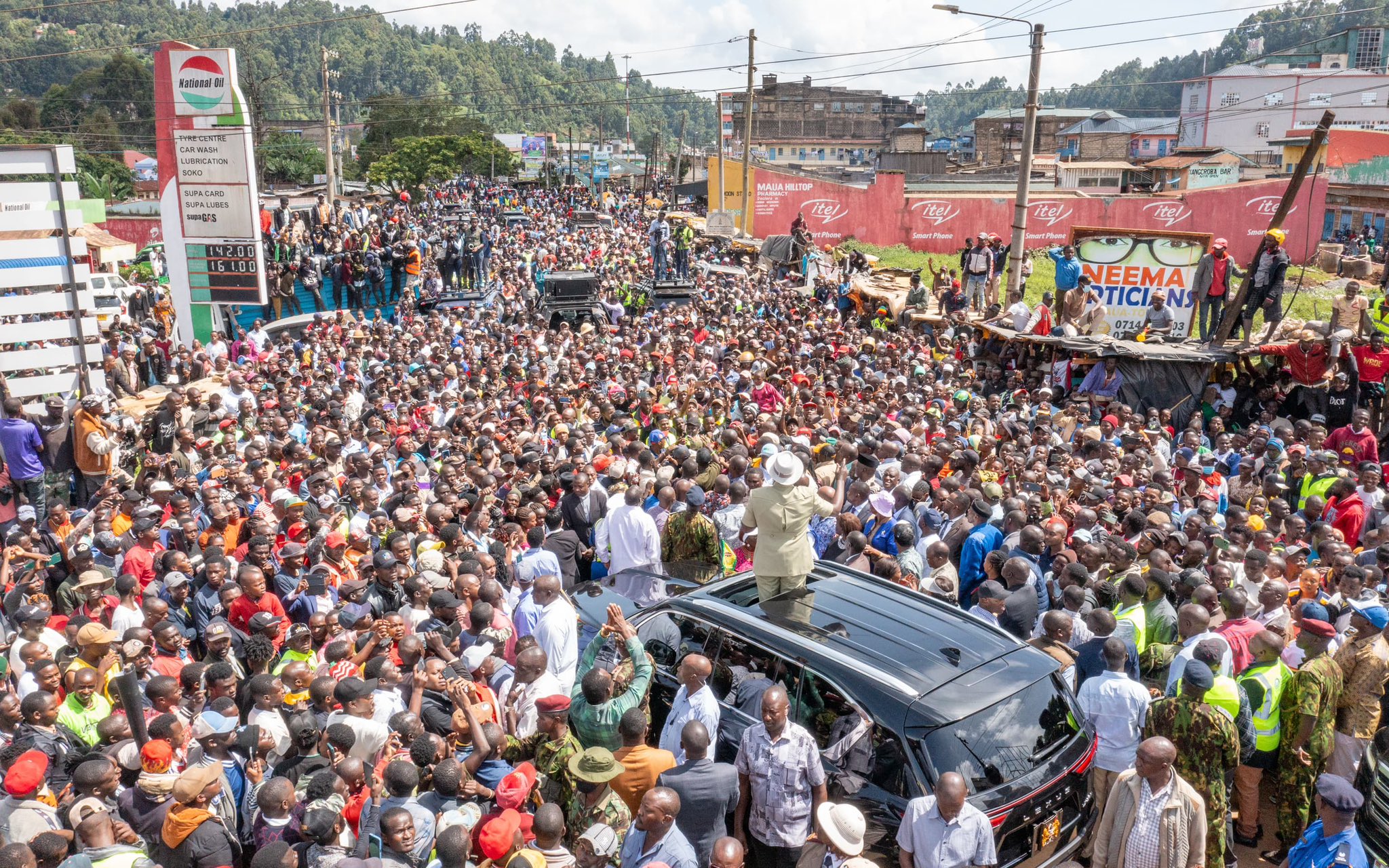
This means that salaried workers whose monthly income is Ksh 30,000 or less would be fully exempted from paying income tax if the proposal is approved by Parliament.
“Those earning up to Sh50,000 will have their tax rate reduced from the current 30% to 25%.”
Also Read: Outrage as Court Allows KRA to Tax Unexplained Bank Deposits
Under the plan, individuals earning between Ksh 30,001 and Ksh 50,000 per month would see their PAYE rate lowered by five percentage points, from the current 30 per cent band to 25 per cent.
President Ruto said that these changes are intended to allow workers to keep more of their earnings and help manage household expenses, particularly for people at the “bottom of the pyramid.”
Projected Impact
According to government statements, the tax relief measures are expected to benefit a large number of workers:
Around 1.5 million working Kenyans who currently earn Ksh 30,000 or less would be completely exempt from paying income tax.
An additional 500,000 workers earning up to Ksh 50,000 would benefit from the lower tax rate of 25 per cent.
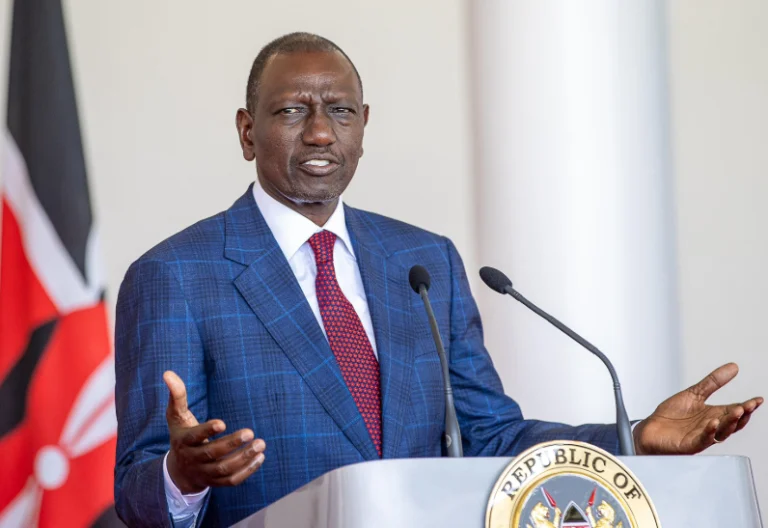
The President and Treasury officials have framed the tax adjustments as part of broader efforts to boost disposable income and stimulate economic activity by increasing consumer spending.
Government Process and Next Steps
President Ruto stated that the proposals would be formally forwarded to Parliament for review and approval.
The legislative process will involve parliamentary debate and possible amendment before any changes take effect.
In parallel, National Treasury Cabinet Secretary John Mbadi has indicated that the government is preparing a Tax Laws (Amendment) Bill aimed at implementing these changes without waiting for the annual Finance Bill process in June 2026.
Context of Tax Reform in Kenya
Under the existing income tax framework, PAYE is structured progressively: workers are taxed at different rates depending on their income bracket after personal relief and statutory deductions are applied.
Presently, workers earning up to a certain threshold pay no PAYE, with higher rates applied as income increases.
The proposals announced by President Ruto would increase the tax‑free threshold and lower rates for those in the lower income bands.
Officials have stated that the changes also aim to make the tax system fairer and support households struggling with rising costs of essentials, though details remain subject to parliamentary scrutiny.
Summary of the President’s Statement
In his remarks, President Ruto said:
“Any Kenyan earning up to Sh30,000… will no longer pay tax.”
“Those earning up to Sh50,000 will have their tax rate reduced from the current 30% to 25%.”
These remarks reflect a broad proposal for tax relief for low‑ and middle‑income earners that will now enter Kenya’s legislative process.

Comments 0
Sign in to join the conversation
Sign In Create AccountNo comments yet. Be the first to share your thoughts!