 NMK
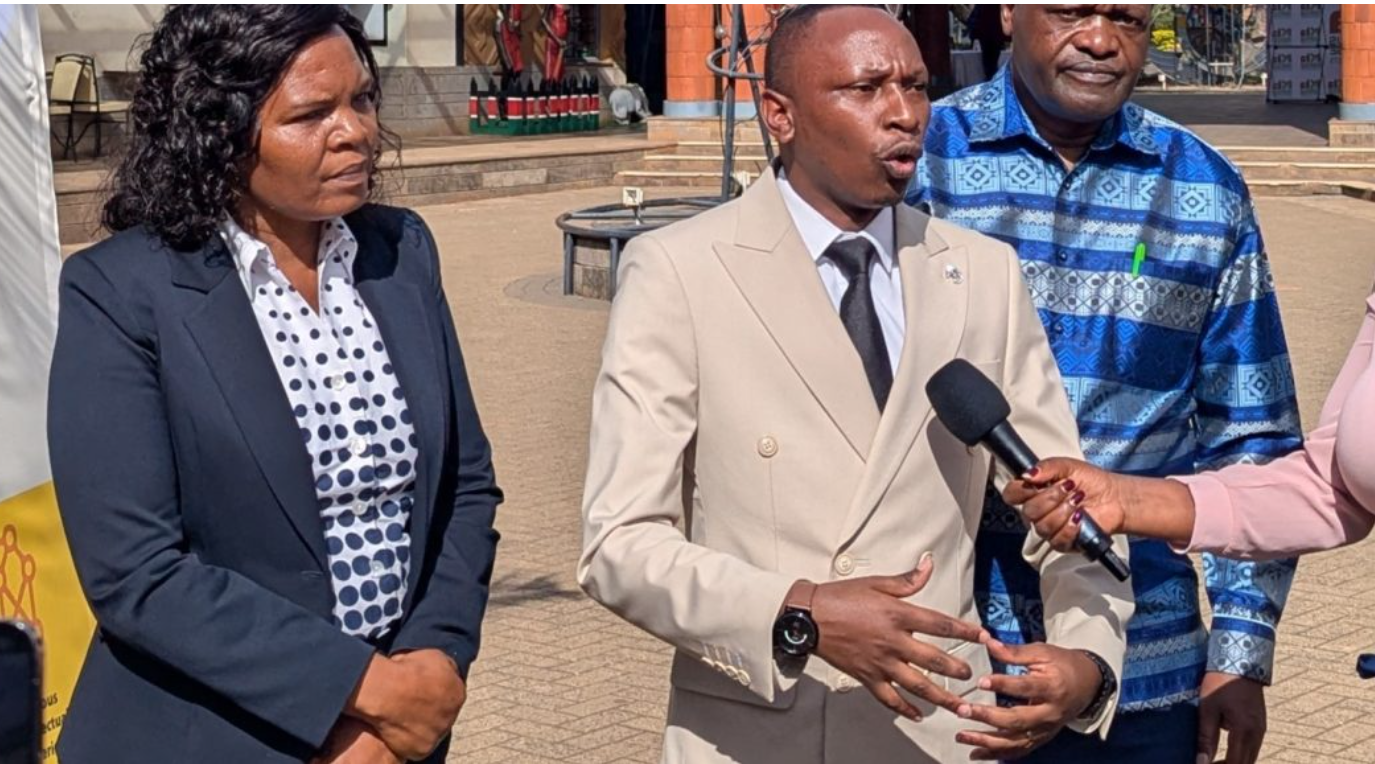
Director General Prof Mary Gikungu, Murang’a County Deputy Governor Stephen Munania, and NMK Board Chair Edwin Abonyo during the official launch of the Indigenous Knowledge Innovation programme at the National Museums of Kenya on 28th January 2026.
NMK
Director General Prof Mary Gikungu, Murang’a County Deputy Governor Stephen Munania, and NMK Board Chair Edwin Abonyo during the official launch of the Indigenous Knowledge Innovation programme at the National Museums of Kenya on 28th January 2026.
The initiative seeks to turn traditional knowledge - long preserved informally within communities - into protected intellectual assets that can generate jobs, wealth and sustainable industries while ensuring communities retain ownership and benefit from their heritage.
The programme, unveiled this week at the National Museums of Kenya in Nairobi, will culminate in the 1st International Investment Conference and Trade Fair on Indigenous Knowledge Intellectual Assets (IKIA Conference 2026), scheduled to take place in Murang’a County from April 21 to 23.
The conference will bring together community knowledge holders, county and national governments, investors, entrepreneurs, researchers and development partners to explore how indigenous knowledge can be converted into market-ready innovations.
NMK said Kenya’s traditional foods, medicines, technologies, performing arts, cultural expressions and heritage sites represent a largely untapped economic resource that has for decades been vulnerable to exploitation without benefit to the communities that developed it.
Speaking during the media launch, NMK Director General Prof Mary Gikungu said the institution is actively identifying, documenting, digitising and commercialising indigenous knowledge and intellectual assets, treating them as a strategic resource for national development.
“The Indigenous Knowledge Documentation and Digitisation Project in thirteen counties of Garissa, Kakamega, Kericho, Kilifi, Kisii, Makueni, Marsabit, Muranga, Kisii, Siaya, Tharaka Nithi, Turkana and Vihiga has been successfully rolled out,” Gikungu said.
“The project, among others, is fulfilling the core agenda of NMK, in which intangible and tangible heritage is being harnessed and promoted to contribute to the attainment of socio-economic development of the country.”
Prof Gikungu said the documentation exercise is being implemented in phases and will eventually cover all 47 counties, in line with the Protection of Traditional Knowledge and Cultural Expressions Act 2016.
“The main focus is to document and digitise indigenous knowledge assets of all the communities in Kenya,” she said.
“The first phase of documentation and digitisation has resulted in the establishment of the indigenous knowledge innovation bank.”
The innovation bank, she explained, is a secure digital platform that will store community knowledge at county level while linking it to a national repository. The platform is designed to support value addition and commercialisation, creating pathways for innovation while safeguarding ownership and intellectual property rights for communities.
NMK Board Chair Edwin Abonyo said the initiative is about reclaiming Kenya’s cultural identity and correcting years of neglect of indigenous systems that existed long before Western influence.
“As a country, as a nation, as people, we forget that we existed way before the Western influence,” Abonyo said.
“We had our own traditional medicines, traditional foods and traditional dances, but we ignored them for many years.”
Abonyo said the project has already been rolled out in 13 counties and that NMK’s intention is to expand it nationwide. He said the focus is now shifting from documentation to practical use.
“We have reached a point where what we have documented must begin to work for the people,” he said.
“What we are doing now is bringing that knowledge to the forefront.”
Murang’a County Deputy Governor Stephen Munania, who was the chief guest at the launch and will host the upcoming conference, said counties have a critical role to play in turning indigenous knowledge into investable assets that can support local economies.
“By investing in these assets, we are going to create opportunities in the thousands of jobs, products and industries within this sector,” Munania said.
“By recording indigenous knowledge and recognising it as intellectual property, we are calling it what it truly is — an asset. And assets must be invested in.”
Munania said Kenya risks losing billions of shillings if indigenous knowledge remains undocumented and unprotected. He cited muratina, a traditional drink developed by the Agikuyu community, as a clear example of how communities lose out when their knowledge is commercialised elsewhere.
“You can find products like muratina being sold abroad, yet the communities that originated them gain nothing,” he said.
“Someone in the UK is making millions of dollars by selling it, and that is what we are trying to change.”
The deputy governor said the challenge now is to move beyond stories preserved in people’s memories and turn them into nationally recognised assets before monetisation.
“The shrines where people used to worship mean nothing if those stories are not told,” Munania said.
“We need to move past stories being in the minds of people by turning them into assets that belong to the country.”
According to NMK, the IKIA Conference 2026 will showcase market-ready innovations rooted in tradition, including traditional foods and cuisines, indigenous technologies such as pottery and regalia, medicinal products, performing arts, cultural foods, crafts, creative arts, heritage sites and cultural tourism experiences. Participants from the 13 pilot counties, micro, small and medium enterprises, and community-based asset owners will present their innovations to potential investors.
The conference will also provide a platform for discussions on policy, intellectual property rights and commercialisation models, with the aim of ensuring that indigenous knowledge holders benefit directly from investments made using their heritage.
NMK officials said the programme is anchored in Kenya’s Constitution and national legislation, which require the recognition, protection and promotion of indigenous knowledge. They point to countries such as China, India and Brazil, where cultural heritage contributes significantly to national economies, as examples Kenya hopes to learn from.