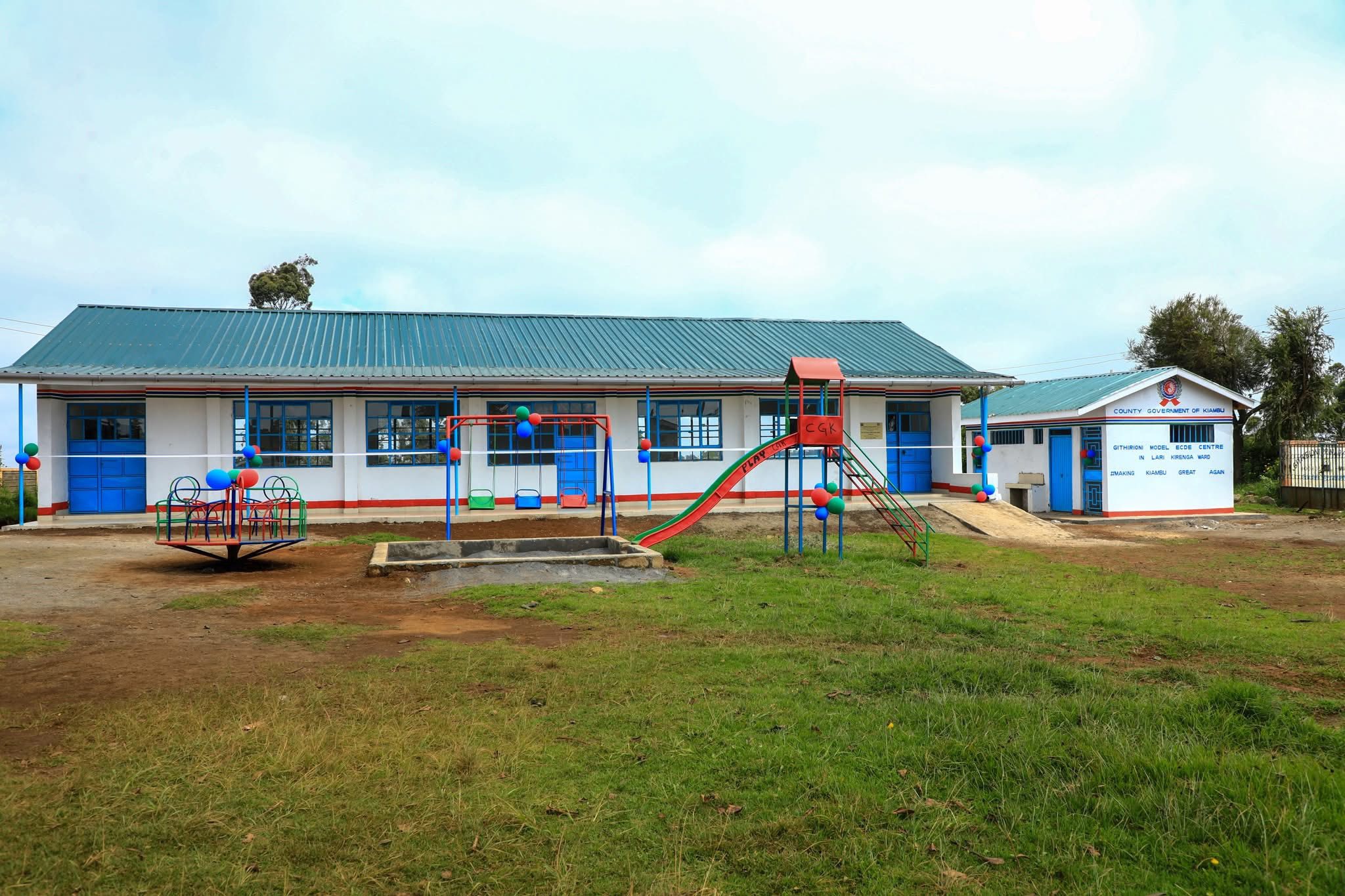
 An Early Childhood Development and Education center in Kiambu county, part of the county government’s ongoing investment in early learning infrastructure.
After years of expanding classrooms, hiring caregivers and rolling out child-focused programmes, Kiambu county is now seeking to entrench Early Childhood Development and Education in law through the proposed Kiambu county ECDE Bill 2025. This marks a major shift from ad hoc implementation to granting legal protection for early learning.
The Bill, currently undergoing public participation, seeks to consolidate gains already made in the ECDE sector while providing a clear legal framework to guide future investments, governance and service delivery.
County leaders say the move reflects a growing recognition that early childhood education is no longer a peripheral social service, but a core pillar of human development.
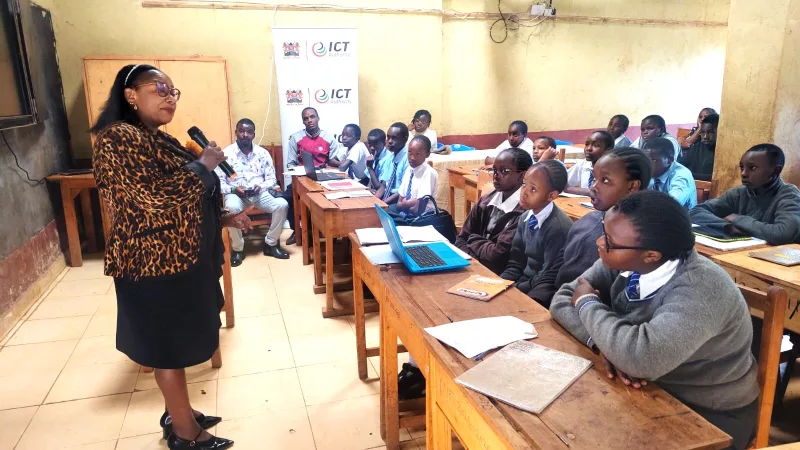
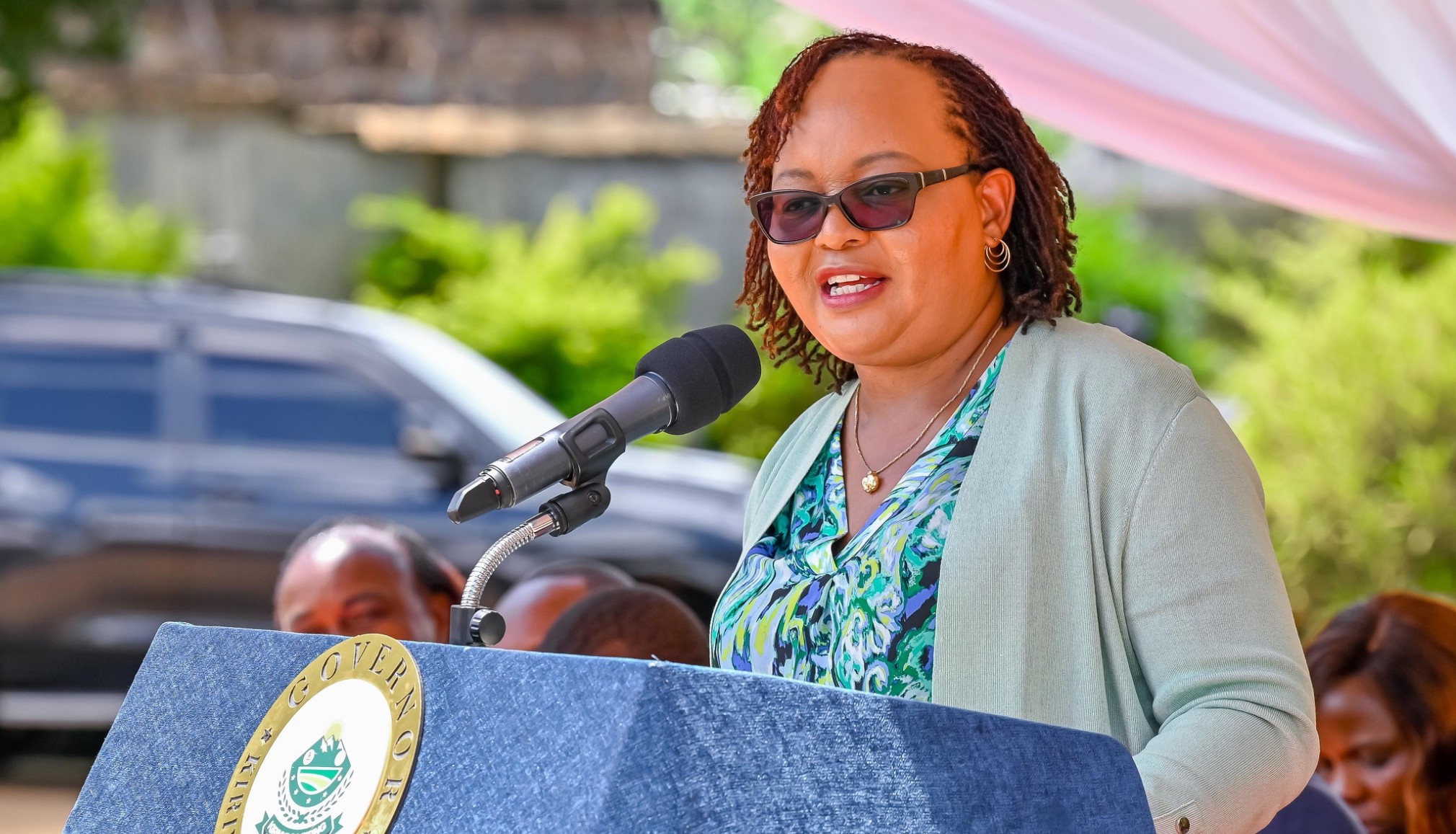
That shift was evident during a public participation forum held at the Kiambu county assembly compound, which brought together educators, caregivers, community leaders, civil society organisations and child-rights advocates.
While participants broadly welcomed the Bill as timely and progressive, discussions focused on how the proposed law can be strengthened to match the county’s ambitions and realities on the ground.
The Bill is sponsored by Kiambu Township MCA Francis Koina and was considered under the stewardship of Ting’ang’a MCA Lawrence Mwaura, chairperson of the County Assembly Committee of Education, Science and Research.
Mwaura noted that the legislation is intended to give continuity to ECDE programmes beyond political cycles and administrative transitions.
Stakeholders acknowledged that Kiambu has made notable strides in early learning infrastructure and enrolment, but argued that legislation must now address gaps that implementation alone has not resolved.
Chief among these was the ECDE feeding programme, which participants described as inseparable from learning outcomes, particularly for children from vulnerable households. They called for the Bill to legislate clear minimum standards on meal frequency, nutritional value and portion sizes to prevent inequalities between centres.
Governance and infrastructure concerns also featured prominently. Participants cited cases where ECDE centres faced disruption due to land ownership disputes or overlapping mandates between county and municipal authorities.
They proposed that centres be established primarily on county-owned land, with firm legal safeguards where national government land is used, alongside clearer coordination frameworks to strengthen accountability.
The welfare of ECDE caregivers emerged as another key issue. Stakeholders described caregivers as central to children’s emotional, social and cognitive development, yet often undervalued.
They want the Bill to address fair remuneration, as well as improved working conditions and retention measures, warning that meaningful reform cannot succeed without investing in the workforce that delivers early learning daily.
Civil society organisations, including Bunge Mashinani, submitted memoranda proposing amendments to several clauses, including the inclusion of civil society representation in ECDE governance structures. They also raised concerns about learner welfare during temporary closure of centres, calling for clearer guidelines on continuity of learning and communication with parents.
Participants emphased that the Bill signals strong political commitment to protect early learning through law.
Kiambu county has already constructed and upgraded over 500 ECDE centres, with about 40,000 learners benefiting from the county’s feeding programme and more than 42,000 children in 524 public centres receiving free learning materials.
County officials say the proposed ECDE Bill aims to safeguard these gains by anchoring early childhood education and related support programmes in law, securing the future of the county’s young citizens.