Several sports federations have welcomed the proposed Sports Bill 2026, describing it as a major step toward strengthening governance, professionalism, and athlete welfare in Kenya.
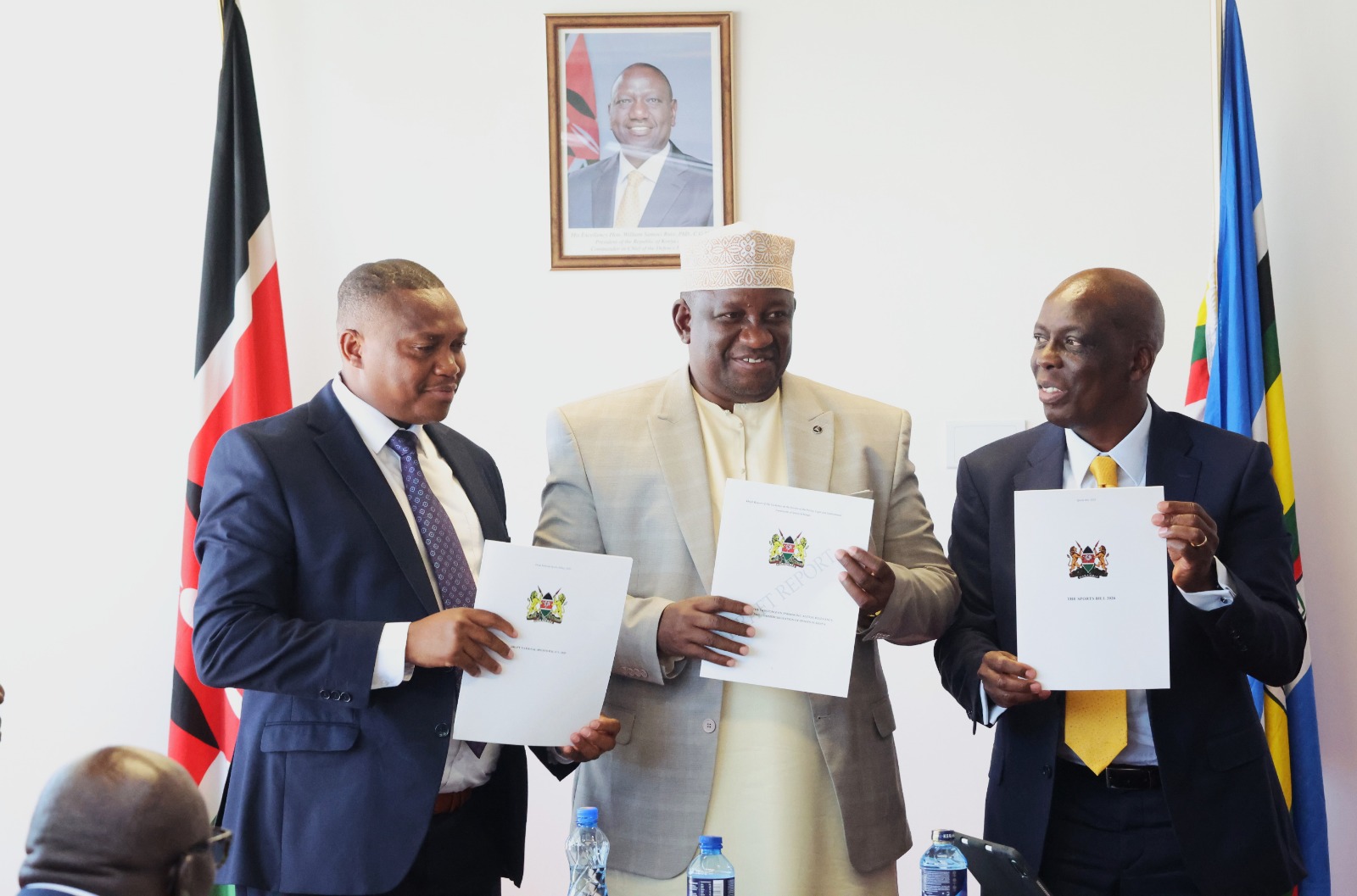
The draft, compiled by a commission led by Senior Counsel John Ohaga, was formally presented to Sports Cabinet Secretary Salim Mvurya on January 30.
Read Also
Kenya Basketball Federation president Hilmi Ali called the bill timely and important, highlighting its focus on athletes' welfare.
“It is a good document and emphasises the welfare of athletes. For the basketball federation, this bill will really help our sport,” Ali said.
He also said the legislation could improve oversight and accountability within federations. “It will be important in aligning federations so we can hold regular elections,” he added.
Sports scientist and Kenya Taekwondo Federation coach Eliakim Otieno echoed Ali's sentiments, praising the bill’s leadership and professionalism requirements.
“I highly recommend this bill. It emphasises professionalism, and the leadership requirements are well articulated,” he said.
Otieno added that, if properly implemented, the Sports Bill 2026 could significantly enhance sports development nationwide.
Despite broad approval, both experts flagged areas needing refinement.
One key proposal is the creation of the National Sports Regulatory Authority (NSRA), which would register sports organisations, license institutions and professional bodies, approve talent development programmes, and oversee the sector more broadly.
Ali questioned the immediate need for the NSRA, citing overlap with the existing Sports Registrar.
“I don’t think we need the NSRA for now because it duplicates the work of the sports registrar,” he said.
Otieno, however, welcomed the authority as a progressive addition. “The NSRA will supplement the work of the registrar and the tribunal,” he said.
He also highlighted gaps in athlete medical welfare.
“Injuries and their management are not adequately addressed. The bill should ensure elite athletes have insurance to cover medical costs, particularly in contact sports,” Otieno said.
Otieno further stressed the need for retirement and pension plans to safeguard athletes’ futures.
“Many athletes struggle financially after their careers end. The policy should include a structured pension, with 60 per cent of earnings directed into it, ensuring athletes have financial security after retirement,” he said.