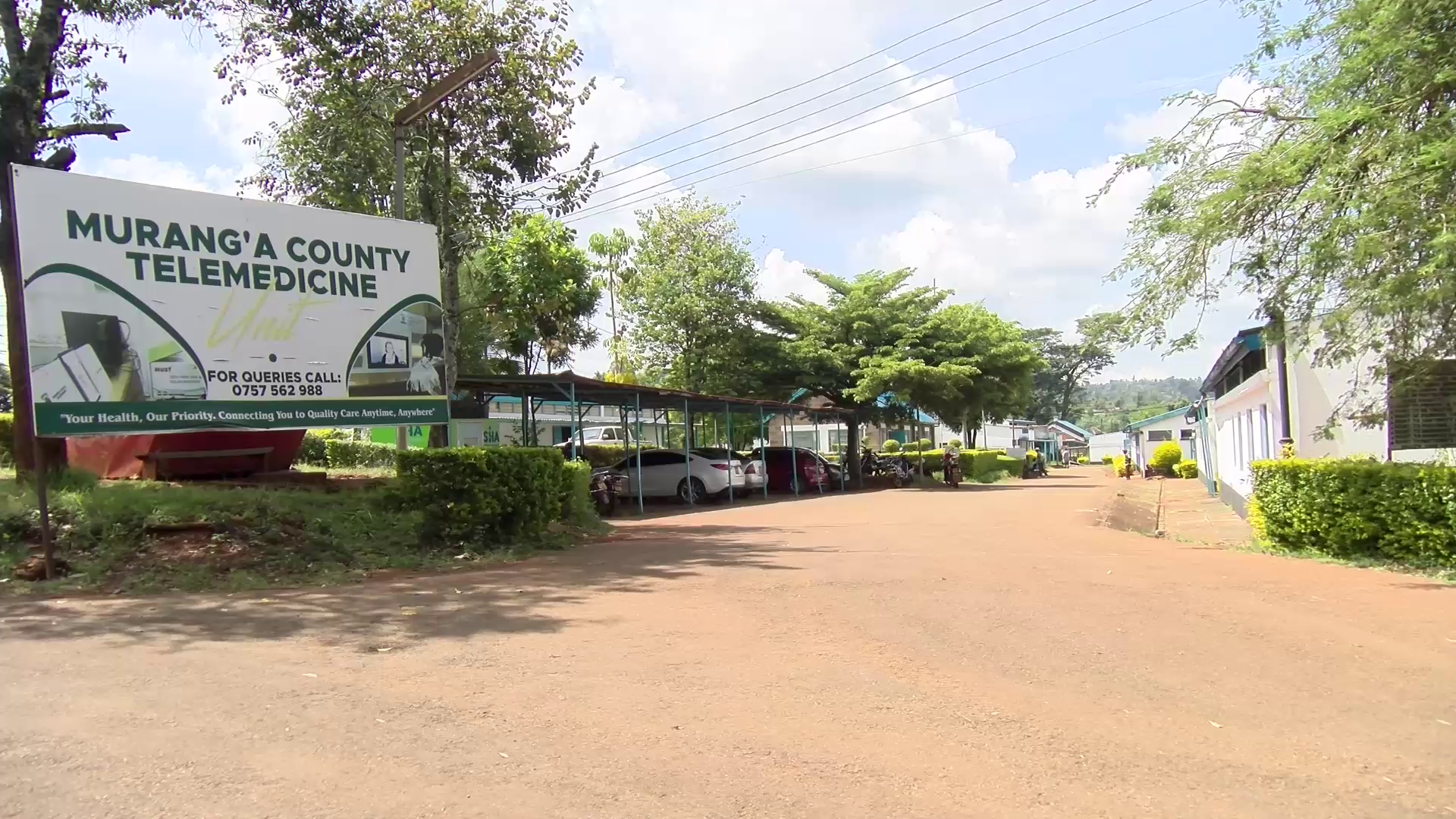
 Muriranjas Subcounty Hospital in Kahuro, one of the facilities offering telemedicine services in Murang'a county / ALICE WAITHERA
A digital healthcare initiative launched by the Murang’a government last year is transforming the delivery of medical services, making specialised care more accessible to residents in rural and remote areas.
The telemedicine programme has eased congestion in public hospitals and expanded access to healthcare by connecting 35 health facilities—one in each ward—to the internet.
Through the system, patients can consult doctors remotely, reducing the need for long journeys and lengthy waiting time at major referral hospitals.
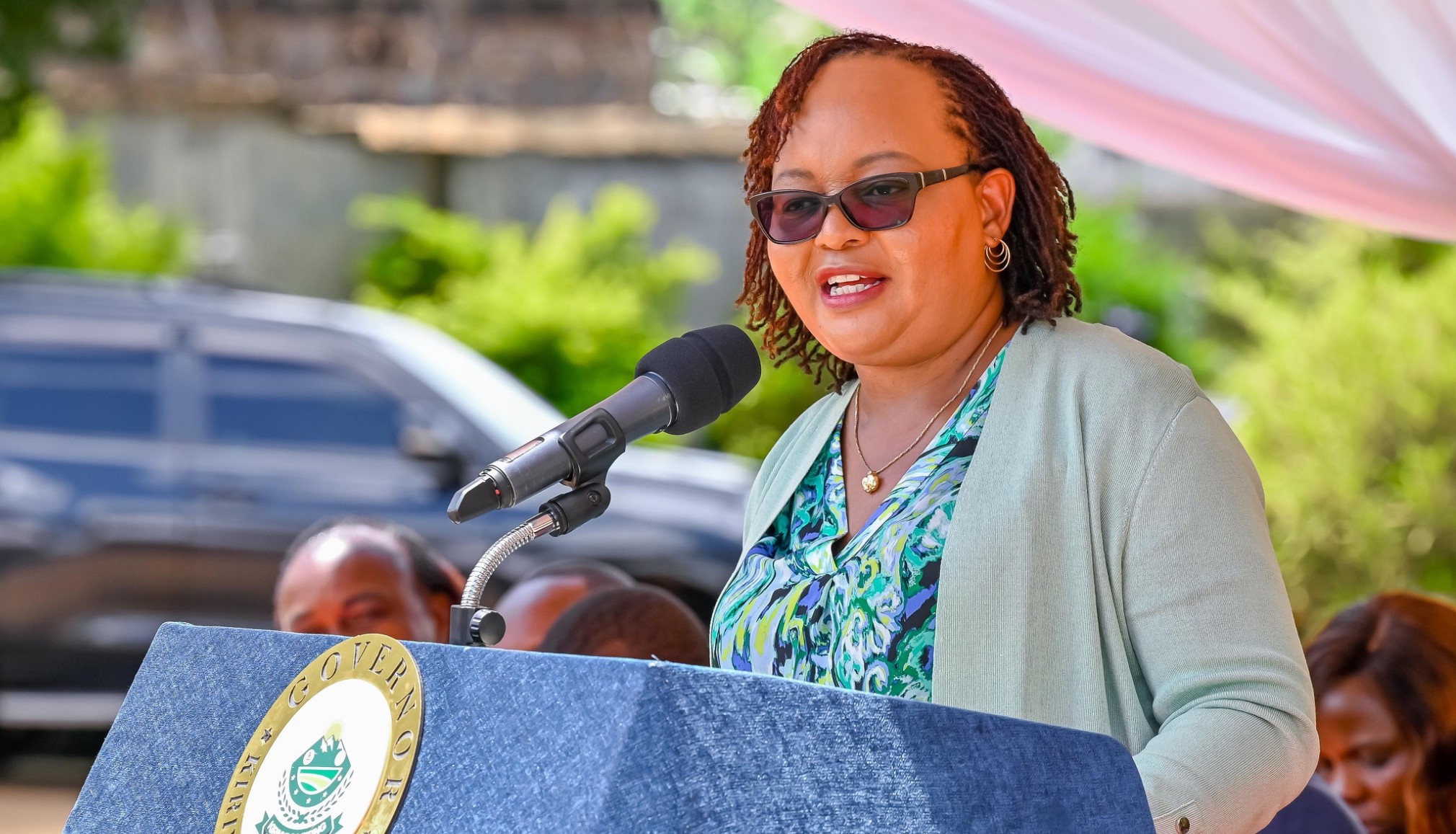
Governor Irungu Kang’ata said the move to adopt telemedicine was aimed at addressing persistent overcrowding, especially among patients with chronic illnesses who require regular follow-ups.
“In just one year, we have observed a dramatic reduction in queues at our health facilities. Patients who previously had to travel to Murang’a Level 5 Hospital can now receive medical consultations online from their local clinics,” he said.
The programme builds on the county’s broader digital transformation agenda, which has automated 20 services, including revenue collection, maternal healthcare, fleet management, land services and employee attendance systems.
The governor said the use of digital platforms has improved efficiency and made it easier for residents to access essential public services.
Kang'ata said the digital health platform has been particularly effective in managing conditions such as diabetes, hypertension and heart disease, ensuring patients receive timely care without unnecessary delays.
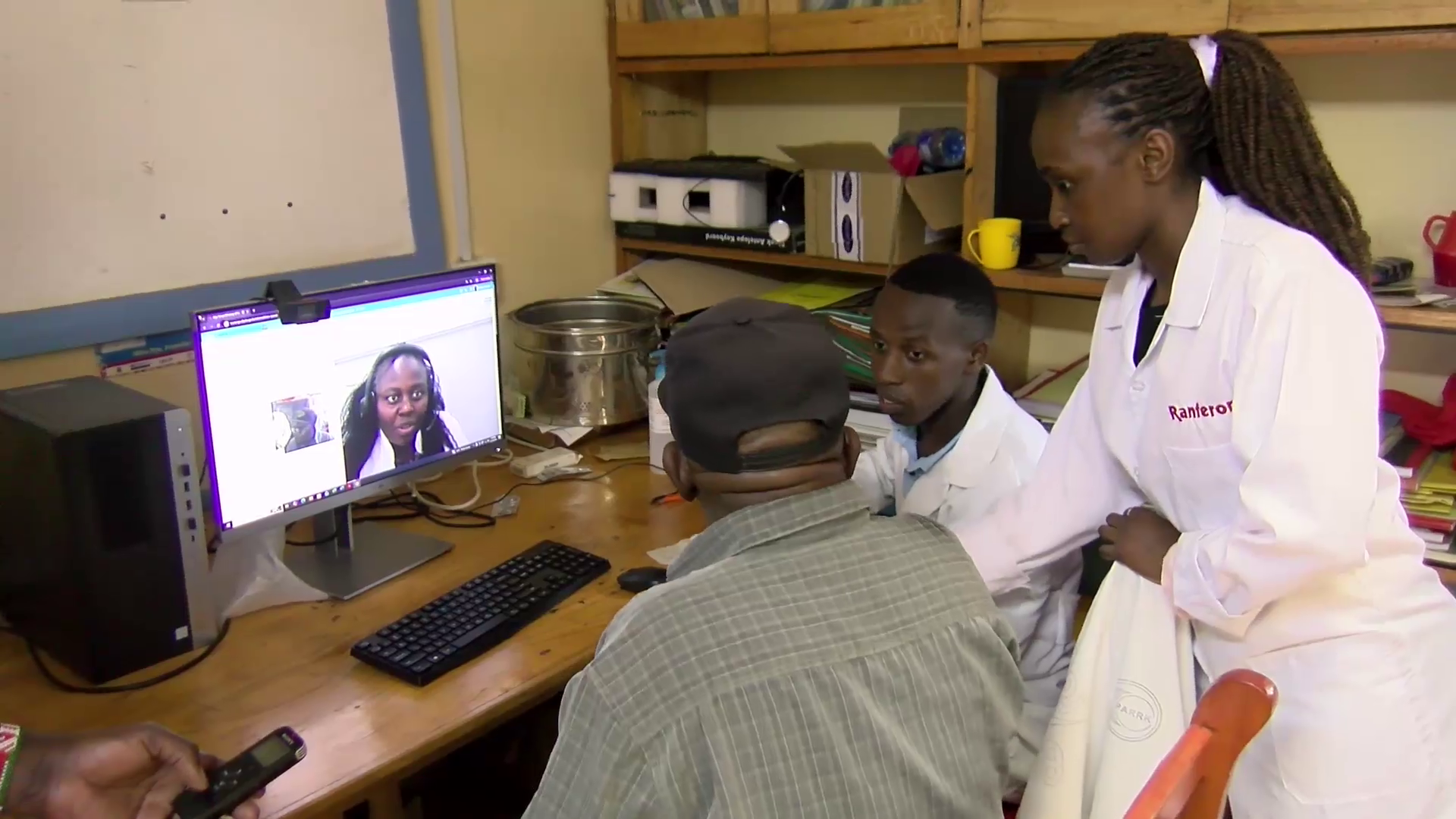 Medics help a patient engage a consultant specialist through the Telemedicine programme at Kiria-ini dispensary /ALICE WAITHERA
Residents across the county have welcomed the initiative, citing improved convenience and affordability.
Beneficiary Lincoln Mwangi said he received consultations and treatment at his local dispensary that would have been costly and time-consuming to access elsewhere.
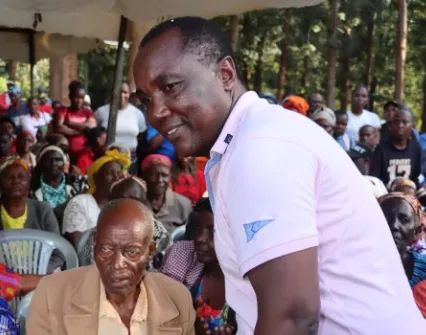
At Kiria-ini dispensary, one of the facilities offering telemedicine services, residents stream in daily to access the programme.
Jane Njeri said the system allows them to receive routine and specialised care close to home.
“Today, I was treated, advised and had my medicine replenished without travelling to a big hospital. It saves us money and time,” she said.
Mary Wairimu highlighted the time-saving benefits, noting that consultations, which once took an entire day in hospital queues, are now handled much faster through the online system.
Wendy Githu, a medic at Muriranjas Subcounty Hospital, said the programme uses a digital platform that enables patients to have face-to-face consultations with doctors based in larger facilities.
She said the initiative supports patients with hypertension, diabetes, asthma, arthritis and mental health conditions.
“We also provide free medication for patients treated under the programme. Anyone with these conditions should visit one of the facilities offering telemedicine services,” Githu said.
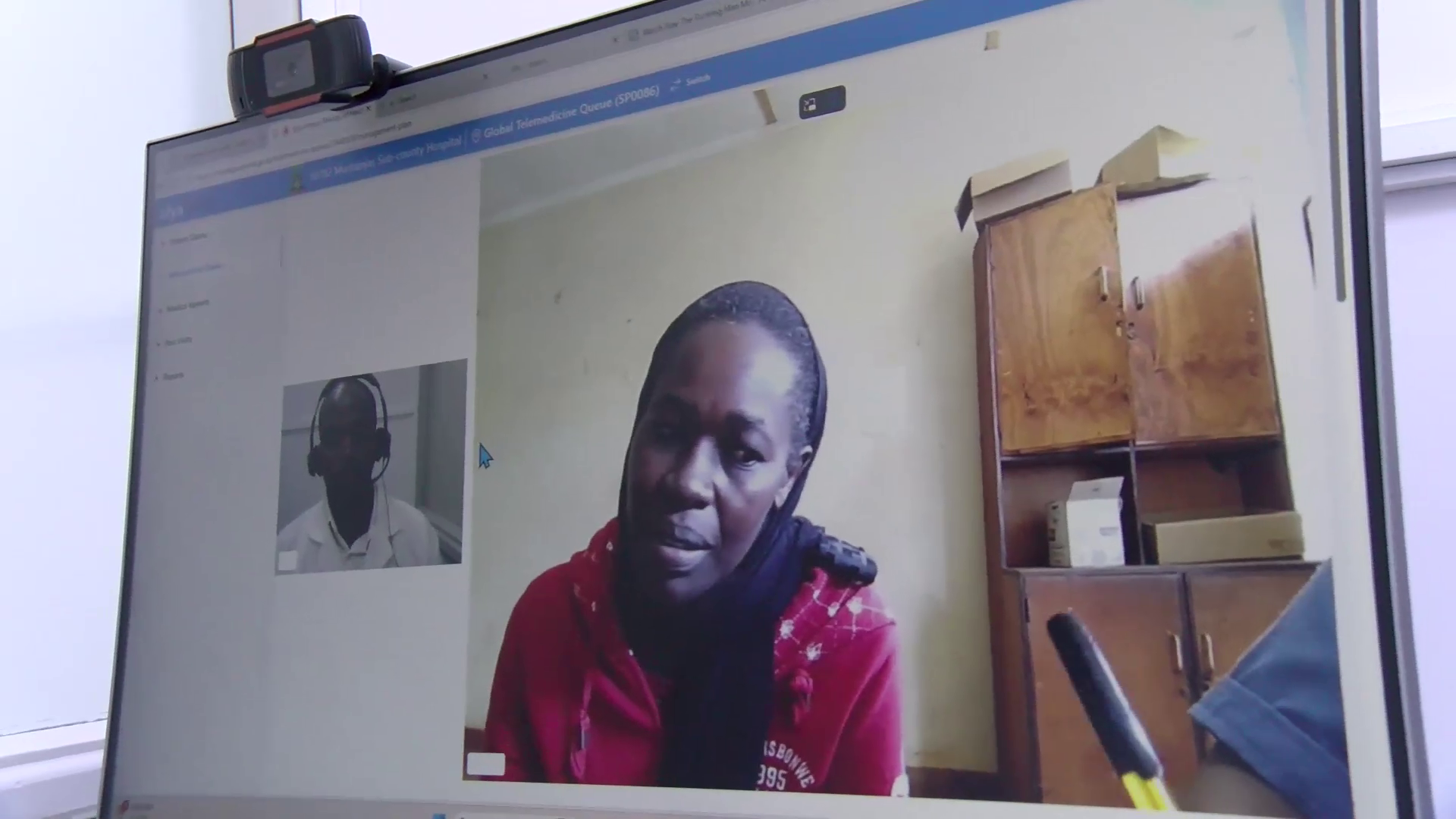 A monitor showing a medic and a patient having a consultation session through the telemedicine programme /ALICE WAITHERA
Previously, many patients suffering from chronic illnesses delayed seeking care due to financial constraints and long travel distances, only visiting hospitals when their conditions worsened.
Under the new system, residents in remote areas such as Ithanga can now receive specialised follow-up care at their local dispensaries instead of travelling to Murang’a or Maragua hospitals.
Githu said the programme has improved consistency in patient follow-ups, which has contributed to better overall health outcomes and early detection of complications.
Major hospitals in the county, including Murang’a Level 5 Hospital, continue to provide specialised services, while subcounty hospitals and local clinics handle routine care such as maternity services, immunisation and treatment of common illnesses.
The county government, working in collaboration with the Ministry of Health, is also expanding access to healthcare through initiatives such as Kang’ataCare, which supports more than 42,000 vulnerable households.
Facility upgrades and investments in medical equipment are aimed at further reducing overcrowding and improving the quality of care.
Community health workers remain a key link between health facilities and residents, delivering basic services and health education at the grassroots level, ensuring more people benefit from the county’s growing digital health network.