The writer is a film and public communication expert.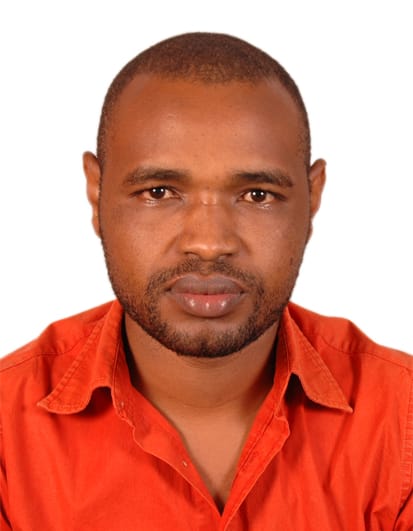 Edward Mwendwa, film and public communication expert./HANDOUT
In 2024, through an Act of Parliament, Kenya midwifed a bold idea into law: the Social Health Authority (SHA). Its promise was simple yet radical: no Kenyan should be forced to choose between illness and poverty, between life and crippling hospital bills.
SHA was established to replace fragmented health financing with a unified, equitable system whose core goals are universal health coverage, financial risk protection, and access to quality healthcare for all, regardless of income, geography, or physical ability.
At its heart, SHA seeks to pool national resources so that the healthy support the sick, the able support the vulnerable, and the many cushion the few when fate strikes. Its objectives include ensuring affordable access to essential health services, reducing out-of-pocket medical expenses, standardising healthcare payments, and strengthening public trust in Kenya’s health system. On paper, it sounds idealistic. On the ground, however, its true value is best told through lived stories.
This December, one such story unfolded quietly on the outskirts of Wote town in Makueni County.
Mwongeli Annastacia is a sausage vendor, well known to my children, who swear no one grills better sausages than “Aunty Anna.” She is also physically challenged and has lived much of her life navigating systems not designed with her in mind. When she became pregnant, doctors quickly raised the red flag: natural delivery posed a severe risk. Due to her physical condition, the structure of her pelvis, and complications related to the uterine wall and birth canal, a normal birth could endanger both mother and child. A planned caesarean section was not optional, it was lifesaving.
As the pregnancy progressed, the anxiety grew. Surgery, prolonged monitoring, and post-operative care are words that often translate into crushing bills for ordinary Kenyans. And so, when Annastacia safely delivered her baby girl at Wote Mother and Child Hospital, joy quickly collided with fear. Hospital bills were piling up.
Because of a mutual friendship, and perhaps because my children’s loyalty to her sausages runs deep, Annastacia made me her first port of call.
When I received the distress call, my wife leaned forward instinctively. She understands caesarean births well and has friends in the medical field. She took the phone and asked the only question that mattered at that moment: “Is the baby safe?”
“Yes,” Annastacia replied. “And I named her Fenna Mutanu, she carries your second name.”
My wife paused, smiled, and handed the phone back to me with a quiet firmness: “One way or another, we must get that baby out of hospital.”
My next call was to a friend working at a private hospital in Wote, stationed at the SHA bureau. I explained the situation and asked her to help us understand the full scope of Mama Fenna’s bill. Within minutes, after identification checks and preliminary registration, Annastacia was fully onboarded into the SHA system.
The final bill? Slightly below Sh5,500.
Let that sink in. After a major surgical procedure, several days of close medical observation, professional care, and safe discharge, KSh 5,500. I remember standing still, wondering how many Kenyans know that this is possible. How many families have sold land, livestock, or dreams simply because they did not understand or trust this very system?
Undeniably, SHA’s biggest challenge is not structure, it is perception. Misinformation has spread faster than facts, often peddled by those unfamiliar with how the Authority works. Questions abound: Is it working? Is it affordable? Is it truly universal? Can it be trusted?
From where I stand, the answer is yes, it is working. But too few Kenyans are adequately informed about its model, benefits, and safeguards. SHA demands robust civic education deliberate, localised, and human. It must reach every household, directly or through trusted community proxies, breaking down every aspect of the fund in a language people understand.
The real elephant in the room is acceptability. Health insurance thrives on trust. And trust is built not in boardrooms, but through stories like that of Mama Fenna.
A few days after discharge, as elderly women came to see the newborn, one grandmother peered at the baby and laughed, declaring, “Huyu ni mtoto wa SHA.” This is a SHA baby.
Laughable? Perhaps. But also deeply symbolic.
As we celebrate Christmas and prepare to usher in 2026, one of the most urgent asks Kenyans should make of their government is deliberate inclusivity in healthcare.
Sickness remains one of the most devastating pathways into poverty and preventable death. A people oriented, well explained, and locally grounded SHA could be the shield Kenya has long needed.
From a sausage stand in Wote to a surgical theatre, SHA proved, at least to me, that when systems work, dignity is preserved, life is protected, and hope is affordable.
The writer is a film and public communication expert.